1988
This first co-production between the GDR and Great Britain is intended to contribute to an understanding of the situation and attitudes of millions of working people in opposing social orders. Using the example of shipyard workers, fishermen, the brigade and family of a trade union active cook and unemployed person of various ages and professions in Newcastle on the one hand and a brigade of crane operators of the Warnowwerft and fishermen of the Warnemünde cooperative on the other hand, insights into the way of life and attitudes of people of our time are to be conveyed.
2017
2014
A documentary directed by Hori Teiichi who was a production assistant on the 1994 documentary Otentousama ga Hoshii and has worked in a wide variety of genres from pink films to ordinary theatrical releases. The lifestyle and scenery of Osawa, a village situated 740 meters up on the mountainous slopes of Hamamatsu city's northern region in Shizuoka Prefecture, are the focus of this first installment to the "Tenryu-ku" series. It straightforwardly captures the tea harvest in late May and the tea processing conducted in a factory while showcasing mist shrouded tea fields drummed by rain as well as the beauty of the glistening green of the tea leaf shoots.
Fed Up blows the lid off everything we thought we knew about food and weight loss, revealing a 30-year campaign by the food industry, aided by the U.S. government, to mislead and confuse the American public, resulting in one of the largest health epidemics in history.
2004
Morgan Spurlock subjects himself to a diet based only on McDonald's fast food three times a day for thirty days without exercising to try to prove why so many Americans are fat or obese. He submits himself to a complete check-up by three doctors, comparing his weight along the way, resulting in a scary conclusion.
2007
King Corn is a fun and crusading journey into the digestive tract of our fast food nation where one ultra-industrial, pesticide-laden, heavily-subsidized commodity dominates the food pyramid from top to bottom – corn. Fueled by curiosity and a dash of naiveté, two college buddies return to their ancestral home of Greene, Iowa to figure out how a modest kernel conquered America. With the help of some real farmers, oodles of fertilizer and government aide, and some genetically modified seeds, the friends manage to grow one acre of corn. Along the way, they unlock the hilarious absurdities and scary but hidden truths about America’s modern food system in this engrossing and eye-opening documentary.
2020
Industrial food production has provided the public with an abundance of food at very low prices. But with obesity and diabetes at record levels in Europe, there is clearly a problem with the food we eat. This documentary puts the spotlight on the agri-food industry and reveals how low-cost ultra-processed foods are really made.
2024
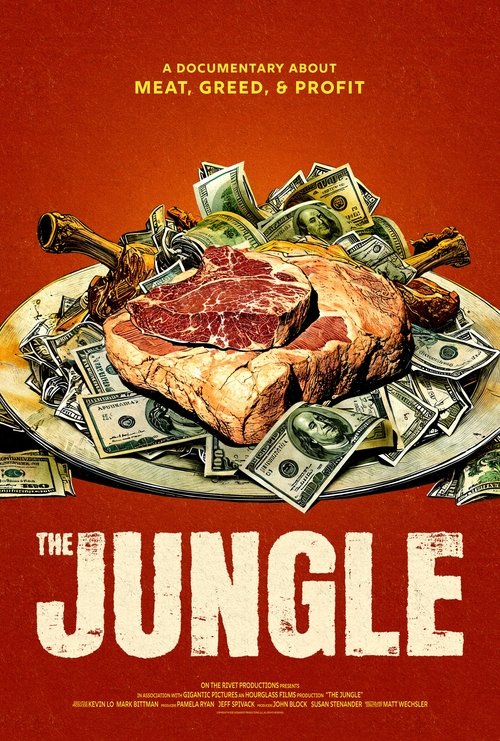
A modern-day take on Upton Sinclair's shocking 1906 novel, The Jungle unravels centuries of greed and exploitation in America’s meat industry and reveals how indigenous knowledge may hold the key to creating an equitable food system for both people and the planet. Featuring former New York Times food columnist Mark Bittman, the film chronicles generations of profit-driven conglomerates manipulating our food system, destroying ecosystems, and exacerbating climate change. Industry insiders detail the roadmap for today’s corporate dominance. Simultaneously, slaughterhouse laborers fight for justice against relentless worker abuse. Others, like Paige and Derrick Jackson, have lost trust in the system, radically changing their lives to raise their own food. Committed to rebuilding our perpetually broken meat industry, Minnesota farmer Reginaldo Haslett-Marroquin begins to graze his chickens using an indigenous technique. The effects are a revelation.
2008
Documentary filmmaker Robert Kenner examines how mammoth corporations have taken over all aspects of the food chain in the United States, from the farms where our food is grown to the chain restaurants and supermarkets where it's sold. Narrated by author and activist Eric Schlosser, the film features interviews with average Americans about their dietary habits, commentary from food experts like Michael Pollan and unsettling footage shot inside large-scale animal processing plants.
2022
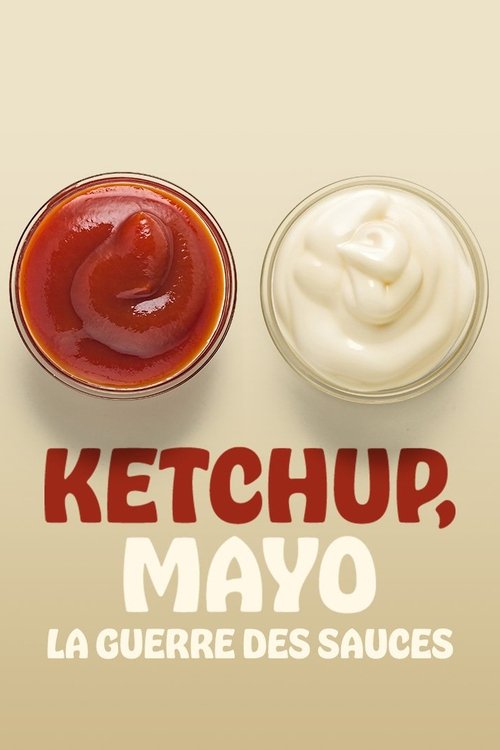
Ketchup and mayonnaise have experienced a global success. We love them, but we know almost nothing about them. How have they crossed the centuries and continents since their creation? From industrial tomatoes, specially shaped for the industrial process, to dried egg yolk powder dedicated to the food industry, industrial version sauces are surprising. However, it is possible today to eat gourmet versions of ketchups and mayonnaise. And it is not of little consequence to choose quality ones, because scientifically, they are indeed addictive.
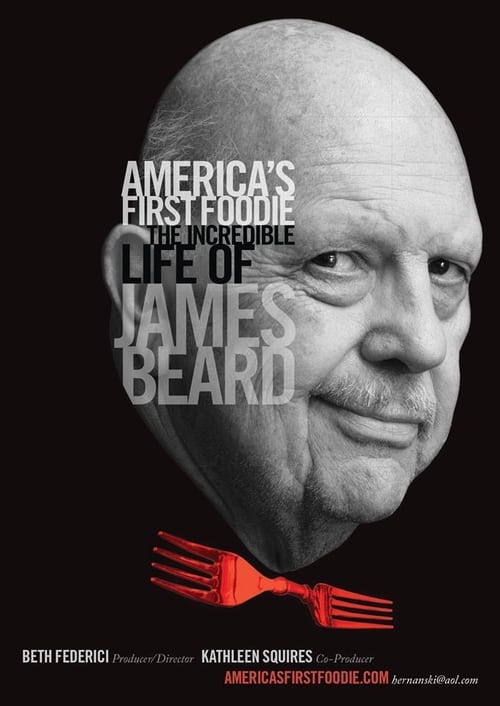
Food in the 21st century has become much more than “meat and potatoes” and canned soup casseroles.” Chefs have gained celebrity status; recipes and exotic ingredients, once impossible to find, are now just a mouse click away; and the country's major cities are better known for their gastronomy than their art galleries. This food movement can be traced back to one man: James Beard. His name graces the highest culinary honor in the American food world today—the James Beard Foundation Awards. And while chefs all around the country aspire to win a James Beard Award, often referred to as the “culinary Oscars,” many of those same chefs know very little about the man behind the medal. Respected restaurateur Drew Nieporent summed it up when he said, “Everybody knows the name James Beard. They may not know who he is, but they know the name.”