1955
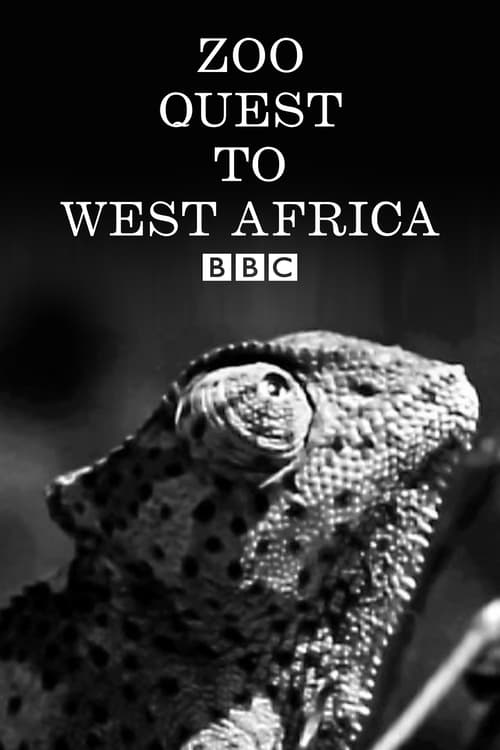
In September 1954, David Attenborough, cameraman Charles Lagus, Jack Lester and Alf Woods, both from the Zoological Society of London, set out for Sierra Leone. They spent three months intently surveying the landscapes of Sierra Leone in search of nature’s rarest animals. Although predominantly searching for Picathartes gymnocephalus (the White-necked Rockfowl) they hoped to take back to London a representative collection of the whole of animal life in this part of Africa.
1983
An incredible look at cephalopods – squids, octopi, and cuttlefish, from the Wildlife on One series. Filmed from Hawaii to the Gulf of Mexico, and using computers, scientists study the shape and color-changing abilities of these bizarre animals. Narrated by David Attenborough. (This film was shown on BBC as Season 12, Episode 2 of Wildlife on One. This listing is for the 16mm film release.)
2022
The film follows a group of growers who embrace the restorative power that the soil holds. Skin of the Earth is a story about the relationship between humans, the land, and belonging.
1961
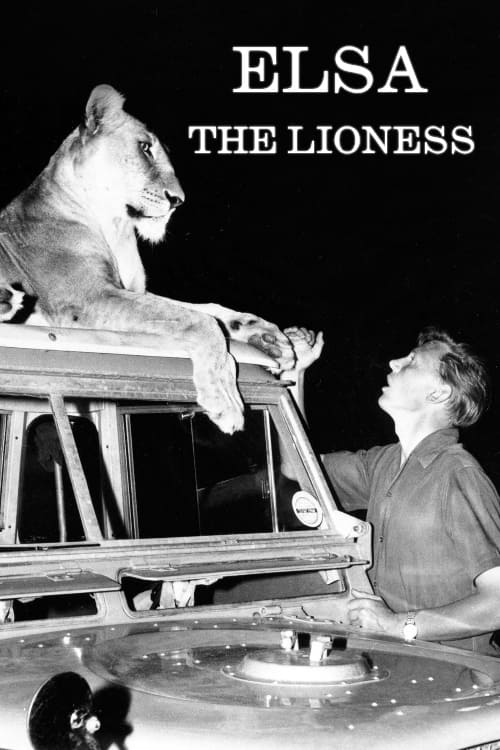
First transmitted in 1961, David Attenborough travels to Meru National Park in Kenya to visit Joy and George Adamson and meet Elsa the lioness and her cubs shortly before Elsa's death.
2023
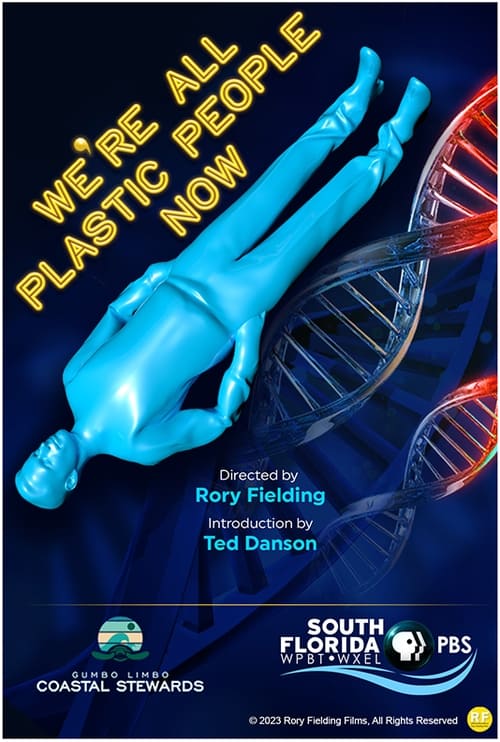
In an era of throw-away ease, convenience has cost us our well-being. Plastics have been found inside our bodies— in our colons, our brains, and even in mothers’ developing wombs. Scientists around the country are sounding the alarm, but without public buy-in, there is little that can be done. How much evidence do we need before we decide to take action?
2017
A compilation episode of the wildlife documentary series presented by David Attenborough, uncovering the secrets of animals across the globe.
1912
An Otter Study is a 1912 British short black-and-white silent documentary film, produced by Kineto, featuring an otter in its natural habitat, including groundbreaking footage of underwater hunting scenes. The film provided a novel treatment of the creature, which had previously appeared on film only as the victim of hunt films, with the unique underwater footage, shot by a cameraman behind glass in a tank concealed on the bed of the river in the opening scene, and a concluding scene, excised from the surviving print, in which it escapes the hunters. It was long thought lost until footage from a 1920s Visual Education re-release of the film, re-edited under the supervision of Professor J Arthur Thomson of Aberdeen University's Natural History Department, was rediscovered.
David Attenborough brings to life, in unprecedented detail, the last days of the dinosaurs. Palaeontologist Robert DePalma has made an incredible discovery in a prehistoric graveyard: fossilised creatures, astonishingly well preserved, that could help change our understanding of the last days of the dinosaurs. Evidence from his site records the day when an asteroid bigger than Mount Everest devastated our planet and caused the extinction of the dinosaurs. Based on brand new evidence, witness the catastrophic events of that day play out minute by minute.
2020
At the beginning of the year 2020, a relentless plague sweeps the planet and, as a consequence, a global lockdown is gradually decreed: how did people from very different latitudes, living necessarily very different situations, experience this shared solitude? How did people adapt to the restriction by decree of their personal freedoms and the transformation of many bustling metropolises into ghost cities?
2014
2025
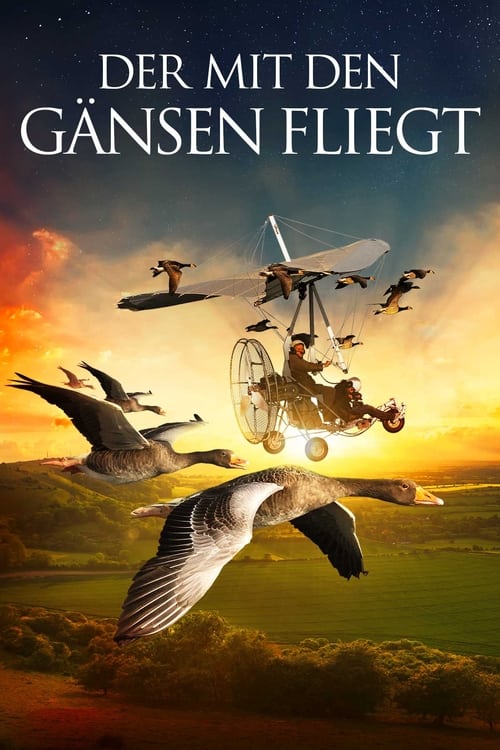
The Atlantic Flyway, the easternmost migration path in North America, is among the most vital ecological phenomenons in the world. Join explorer Tomas Koeck as he examines several unlikely relationships along this massive migratory chain.
2024
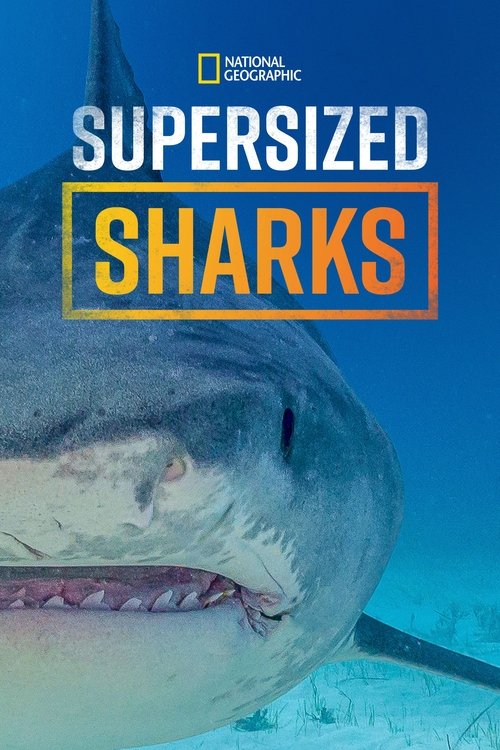
Norfolk Island, 800 miles off the coast of Australia, is home to some of the largest tiger sharks in the world. As strange as it sounds, some think this small island in the middle of the South Pacific has become like a drive-thru burger joint for tiger sharks to gorge on meat. For the first time, scientists are diving in to answer why there are so many huge tigers there. Shark biologists Lauren Meyers, Charlie Huveneers and Adam Barnett lure the giants to their boat to investigate and make a surprising discovery.