1929
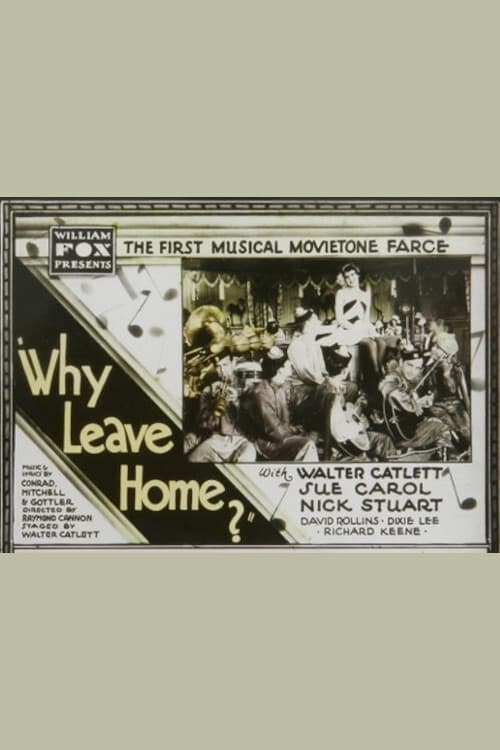
Why Leave Home? is said to be a lost film according to the Fox section at Lost Film Files.
2012
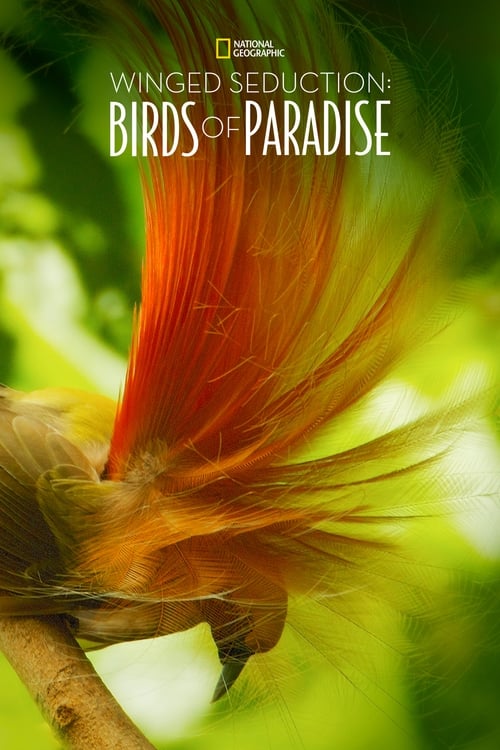
Tim Laman a photographer for National Geographic and ornithologist Ed Scholes have been traveling to some of the most remote jungles the world has to offer in search of observing and photographing all 39 species of tropical bird. This particular group of birds are entitled as the “Birds of Paradise” and can be found in some of the last truly wild locations of New Guinea.
1969
A pair wander the streets of Warsaw, meeting famous Polish musicians.
2025
After a deadly incident involving her producer, rising pop star Naya flees with her sister and ailing father to a remote village. There, she’s forced to hide her identity and perform as a dangdut singer—while struggling to escape her past and the law closing in.
2017
In this biopic, Christian Rahadi – aka Chrisye – overcomes early failures, family strife and anxiety to become one of Indonesia's legendary musicians.
2014
On the unspoilt banks of the Save River lies the Lonjsko Polje Nature Park. Numerous species have made this green setting their home. But the star of the region is the white stork. Some villages have more than two nests per rooftop, and the cohabitation between man and beast generally goes well. A surprising illustration: for the past twenty-four years, Stjepan Vokic, a retired school janitor, has looked after the stork Malena, who has been grounded by an injury.
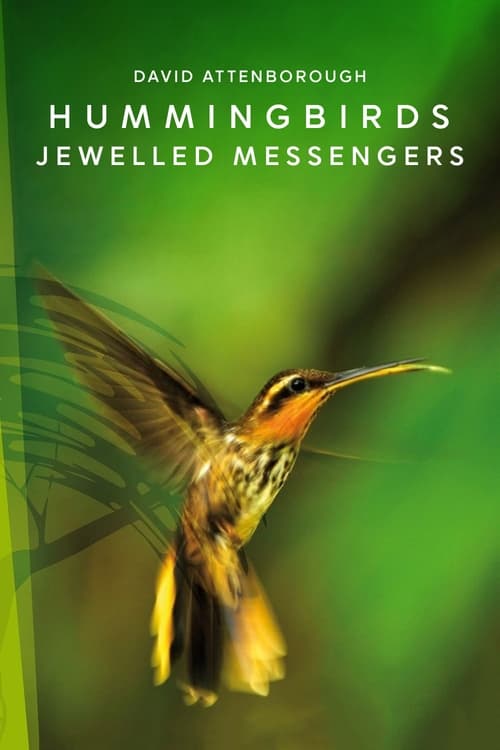
David Attenborough narrates this close up look at these tiny pollinators captured in flight as never before. Acrobats of the air - flying jewels - iridescent partners of countless plants: hummingbirds are amongst the most remarkable creatures on our planet.
1993
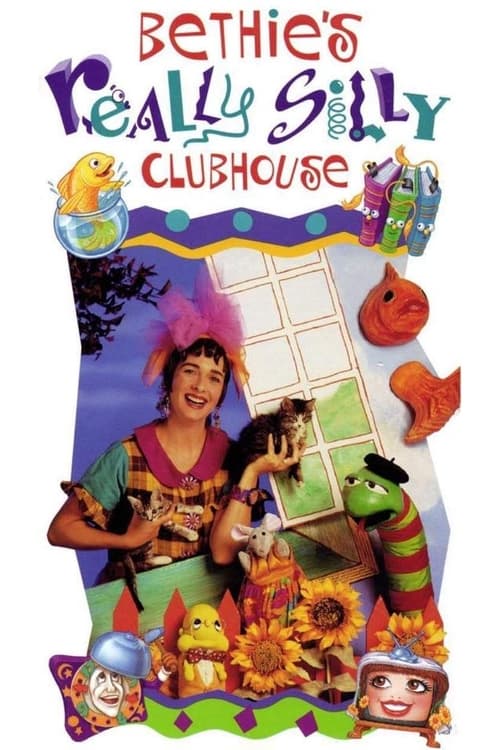
Three children visit their friend Bethie's clubhouse where they are encouraged to be as silly as possible as long as they learn and do well in school. Everything is silly at Bethie's clubhouse, the door tells knock-knock jokes, the books jockey to be read first, and the TV reminds Bethie when her favorite show "Ivana the Iguanna's Beauty Tips" is on. Add to that an assortment of silly visitors like Kitty Kat Man, Captain Schnorer the Worldwide Explorer and various talking animals who all break into wonderful musical numbers while educating the kids.
2001
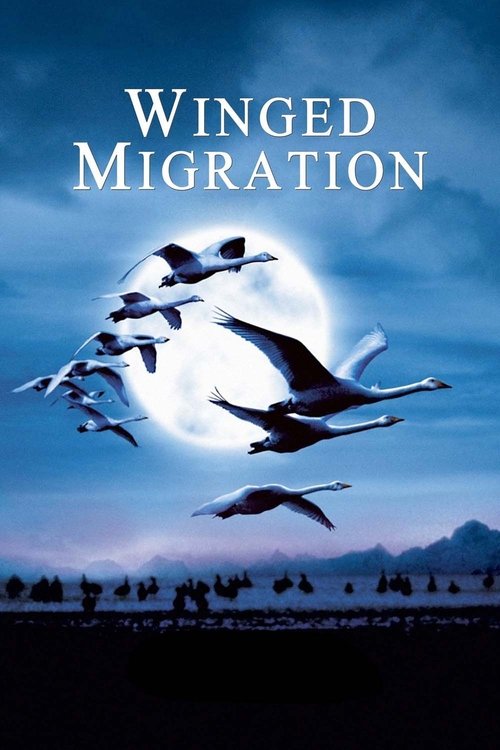
This documentary follows various migratory bird species on their long journeys from their summer homes to the equator and back, covering thousands of miles and navigating by the stars. These arduous treks are crucial for survival, seeking hospitable climates and food sources. Birds face numerous challenges, including crossing oceans and evading predators, illness, and injury. Although migrations are undertaken as a community, birds disperse into family units once they reach their destinations, and every continent is affected by these migrations, hosting migratory bird species at least part of the year.
2003
Larry the Cucumber's vision of the future includes automated robotic hosts telling jokes with random punch lines and musical numbers in which the performers and themes are chosen entirely by chance. As Bob the Tomato quickly points out, the jokes of the future aren't very funny because they don't make sense. Worse, technical malfunctions in the Ventrilomatic hosts actually promote emotional instability. Nonetheless, Bob admits that Larry's vision of the future contains some very cool adaptations of classic songs like Gilbert and Sullivan's fast-talking "Modern Major General" and Binky the Aardvark's solo performance of Mozart's The Barber of Seville. Larry's vision of the future also includes an amusing animated short about greed called "Lunch." Junior Asparagus calls Bob and Larry back to the present with a final song celebrating God's unconditional love.