1895
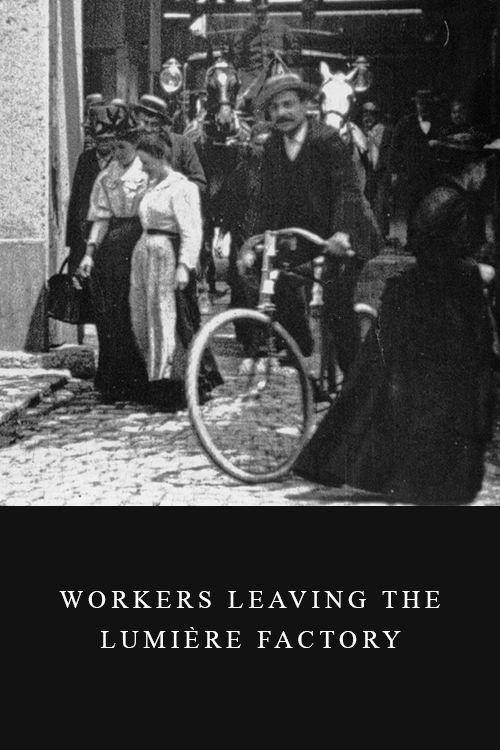
Working men and women leave through the main gate of the Lumière factory in Lyon, France. Filmed on 22 March 1895, it is often referred to as the first real motion picture ever made, although Louis Le Prince's 1888 Roundhay Garden Scene pre-dated it by seven years. Three separate versions of this film exist, which differ from one another in numerous ways. The first version features a carriage drawn by one horse, while in the second version the carriage is drawn by two horses, and there is no carriage at all in the third version. The clothing style is also different between the three versions, demonstrating the different seasons in which each was filmed. This film was made in the 35 mm format with an aspect ratio of 1.33:1, and at a speed of 16 frames per second. At that rate, the 17 meters of film length provided a duration of 46 seconds, holding a total of 800 frames.
2022
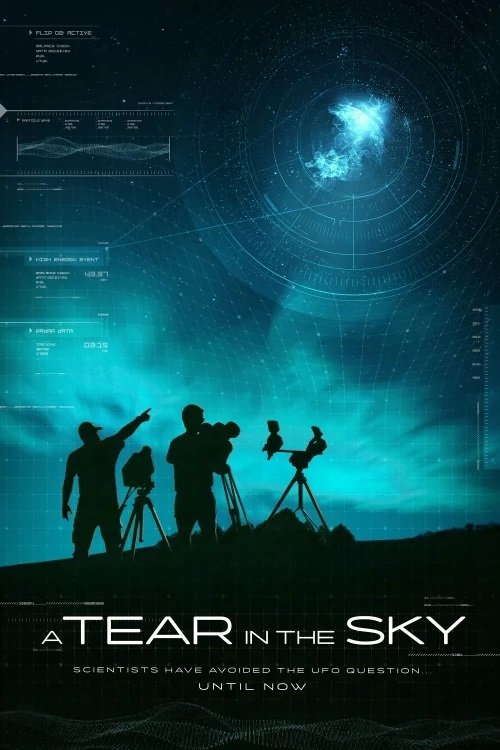
A Tear in the Sky takes you on an unprecedented journey into the UAP/UFO phenomenon as we follow a team of world-renowned experts, scientists, and military personnel who will attempt to unravel the UAP/UFO mysteries using state-of-the-art, military-grade equipment, and technology. While the UFO phenomenon has existed since the dawn of recorded history, very little scientific research is accessible to the public. Most of the serious research is conducted by various governments and militaries across the planet; this film is a documentary on how a team of military veterans, scientists, and researchers come together and launch an investigation into this fascinating world of the unknown while providing the data and results to the public.
2025
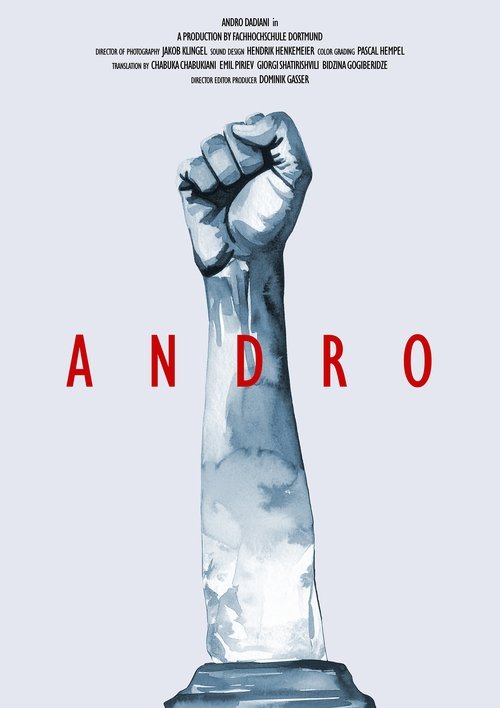
ANDRO DADIANI's political performances dissect the oppression by state and church in Georgia and conquer Tbilisi's urban spaces. As a queer, non-binary protest and performance art figure, their identity remains a secret. The danger of open resistance is too great.
2002
2010
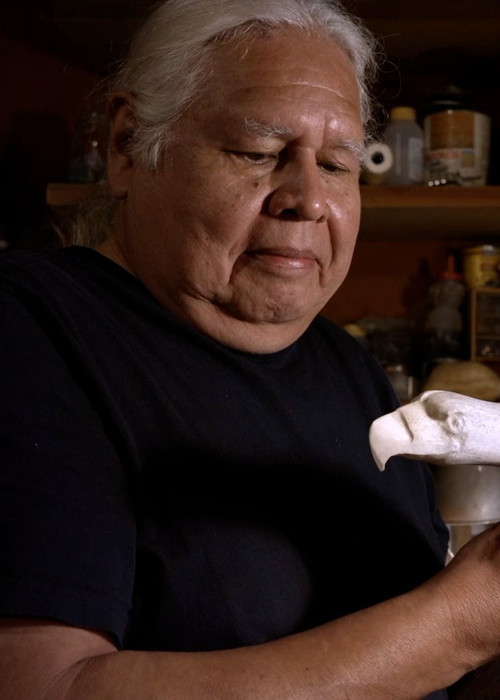
Stan Hill Jr. is a Haudenosaunee artist living in Miawpukek First Nation Reserve, Conne River, Newfoundland. In “The Bear Inside a Whale,” he and his family discuss racism, identity, religion, creation and art, along with the cultural extinction of the Beothuk of Newfoundland. Throughout the film, we follow Stan carving a bear out of a whale vertebra. And we visit The Rooms (museum) in St. John’s, Newfoundland, where Stan talks about viewing and reclaiming Indigenous artefacts.
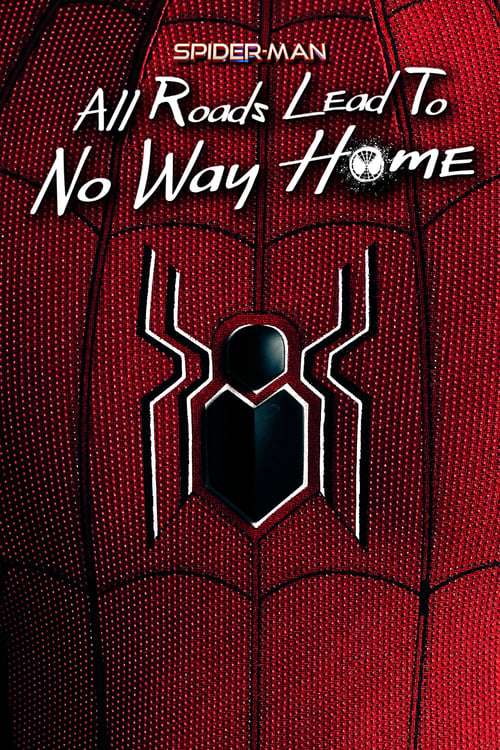
JB Smoove and Martin Starr host a celebration of 20 years of "Spider-Man" movies, from the Sam Raimi trilogy to Marc Webb's movies and the trio from Jon Watts.
2011
An inspiring 75min DIY documentary film on new art and the young artists behind it. It was all filmed on the heat of live action of the first NOVA Contemporary Culture Festival, July and August 2010 in São Paulo, Brazil.
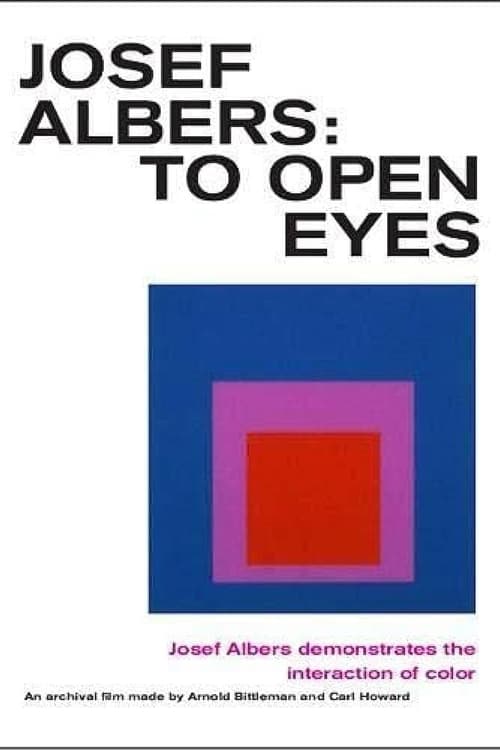
The genesis of To Open Eyes: A Film on Josef Albers developed from Arnold Bittleman's appreciation for Albers while Bittleman was a student at Yale University in the 1960s. Wanting to preserve Albers’s teaching method—learning by doing—Bittleman set out with filmmaker and editor Carl Howard to make a visual record of Albers teaching students how to see and use color as a visual grammar. The film includes archival footage of Josef Albers at home in conversation with Bittleman, as well as footage from Black Mountain College and Yale University.
1970
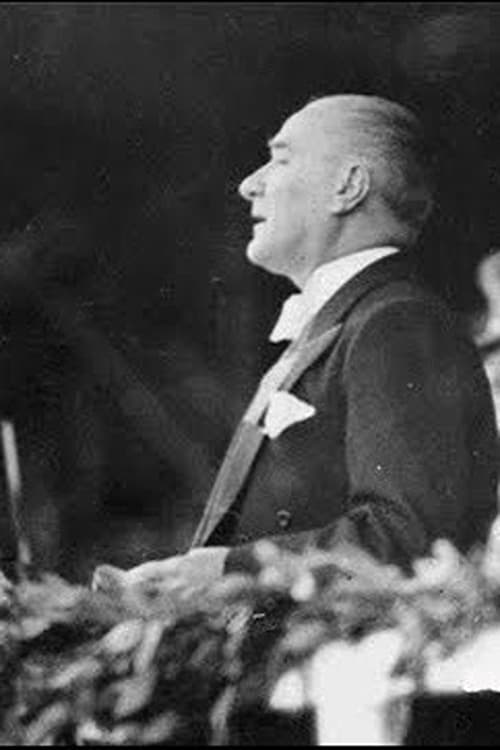
In the documentary, the life of Mustafa Kemal Atatürk, the last period of the Ottoman Empire, the War of Independence and the developments in the first years of the Republic of Turkey are told in parallel. The documentary prepared by Michael Adams consists of recordings made by the BBC in 1970 in Çanakkale, Samsun, Amasya, Sivas and Ankara, as well as historical footage.
2006
Two Bangladeshi girls born and raised in London have weddings arranged for them against their will by their family. Shahanara, the rebel of the family, banished from the family in her teens for being "too Western", has to swap her pink hot pants for a sari as she goes off to the airport to meet her new Bangladeshi husband. Her sister Hushnara is the opposite of Shahanara; a devout Muslim who agrees to marry so she doesn't upset her parents.
1964
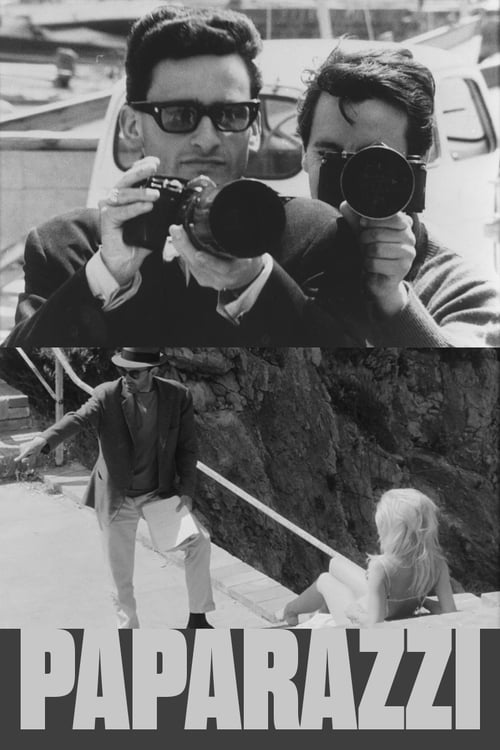
Paparazzi explores the relationship between Brigitte Bardot and groups of invasive photographers attempting to photograph her while she works on the set of Jean-Luc Godard's film Le Mépris (Contempt). Through video footage of Bardot, interviews with the paparazzi, and still photos of Bardot from magazine covers and elsewhere, director Rozier investigates some of the ramifications of international movie stardom, specifically the loss of privacy to the paparazzi. The film explains the shooting of the film on the island of Capri, and the photographers' valiant, even foolishly dangerous, attempts to get a photograph of Bardot.