2008
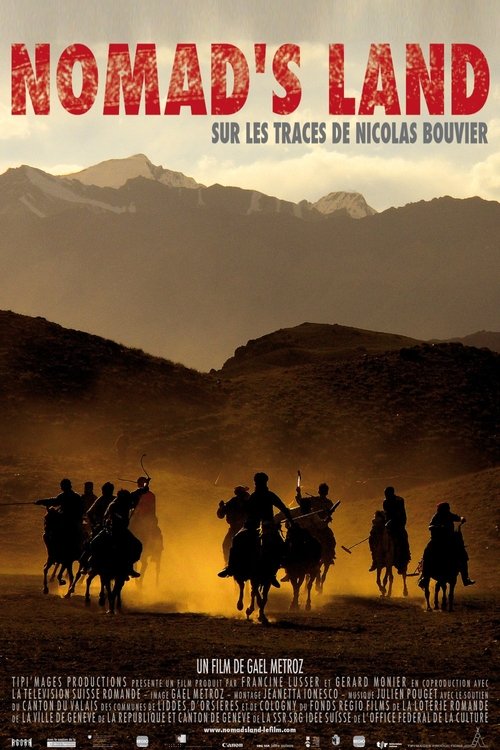
The young director, Gael Metroz, takes the road alone, camera in hand, in the footsteps of Nicolas Bouvier. He discovers that the East is no longer the almost carefree land of the Fifties recounted in l'Usage du Monde: Iran in crises, Pakistan shaken by tribal violence's, Taliban, civil war in Sri Lanka. This world, Bouvier had the usage, seem to have disappeared under the veil of time. Disappointed the director leaves the main road traced by the famous Topolino and continues on the small path with the nomads. In creating his own route, Gael Metroz reveals the writer's philosophy of travel.
2025
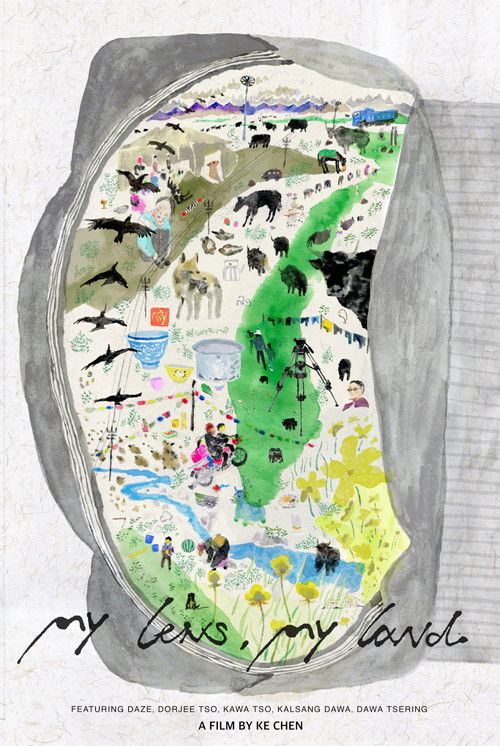
Daze, a Tibetan nomad, transformed his life with a camera. Documenting traditions and threats to the homeland, his philosophical films become a call to action, a lifeline for plateau creatures.
2024
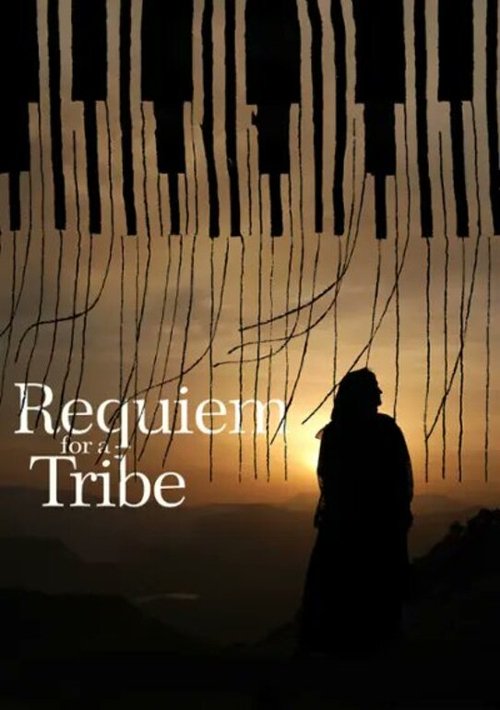
Hajar is a 55-years-old Bahktiari woman from Iran who is betrayed by her family and forced to abandon her nomadic lifestyle. Climate change, urbanization and social issues have drastically diminished the traditional migratory activities of the Bakhtiari tribe from Southwestern Iran.
2013
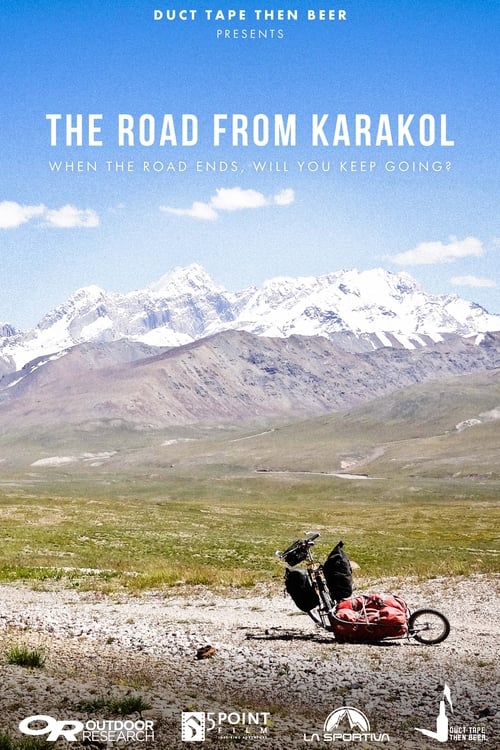
In the summer of 2011, mountaineer Kyle Dempster traveled the back roads of Kyrgyzstan on his bike. His goal: cross the country using old Soviet roads while climbing as many of the region's impressive peaks as possible. He was alone. He carried only a minimal ration of climbing gear. Ten Kyrgyz words complete its vocabulary. Part meditation on the true spirit of adventure and part epic travelogue, The Road from Karakol is the story of a unique spirit who cycled to the end of the road and decided to keep going.
1983
1996
Tashkent: The End of an Era reconstructs the complex history of Tashkent by means of archive footage which has never been shown before and the testimonies of its inhabitants.
2021
Regnum Fest is a documentary that examines reenactors dedicated to preserving the traditions of the Hungarian conquest and the Árpád era, showcasing various groups that recreate life from the 10th to the 13th centuries. The leaders of these groups share insights into their work in historical reenactment and armed combat, both on foot and horseback.
2023
Those who do not know the Sahara think there is only sand in the desert. But in the desert there are children who play and draw and make movies, and who would like to not have to think about the war. In the desert there's a European colony, an occupied country called Western Sahara, where there are thousands of Sahrawi refugees living a hard life in exile. "Little Sahara" tells their story, the story of a supportive, resilient people who try to thrive and grow in the Hamada, where everything has a hard time growing.
In their vehicle, Laurie, Kristy and Linda live alone on the American roads. Like thousands of modern American nomads who can no longer afford to pay for their housing. With no money to spare, these three sixty-year old women are fleeing, in their own way, a part of their history that has left a deep mark on them. Driving away, they try to regain some form of peace. But as the miles and seasons pass, despite their impressive temerity and resilience, their quest for a better future is challenged by unexpected events that hit a country in crisis. Will they nevertheless manage, at the end of the road, to find the serenity they are looking for, in order to become someone again?
1990
The film shows the life of women in a tent camp on the edge of the Sahara. An old nomad woman and her daughter from the city argue about happiness - where do you find happiness, in the desert or city. Women and men in open dispute about love, suffering and passion. In an amazing way, something of the self-confidence, independence and courage of these daughters of the sand becomes palpable.
The plot of the movie brings two people together - an immigrant filmmaker from Belarus and a 10 years old girl from the village in the south of Kyrgyzstan.
1968
One of the highest achievements of the new wave of Kirghiz cinema, which emerged in the mid-1960s. This story of a boy building sandcastles on the shores of the Issyk-Kul Lake becomes a documentary parable on the tensions between an artist and society.