2017
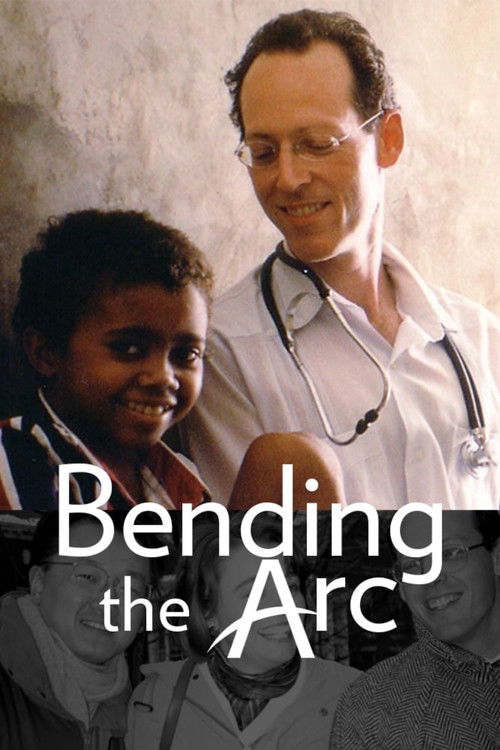
About the extraordinary doctors and activists—including Paul Farmer, Jim Yong Kim, and Ophelia Dahl—whose work 30 years ago to save lives in a rural Haitian village grew into a global battle in the halls of power for the right to health for all.
2024
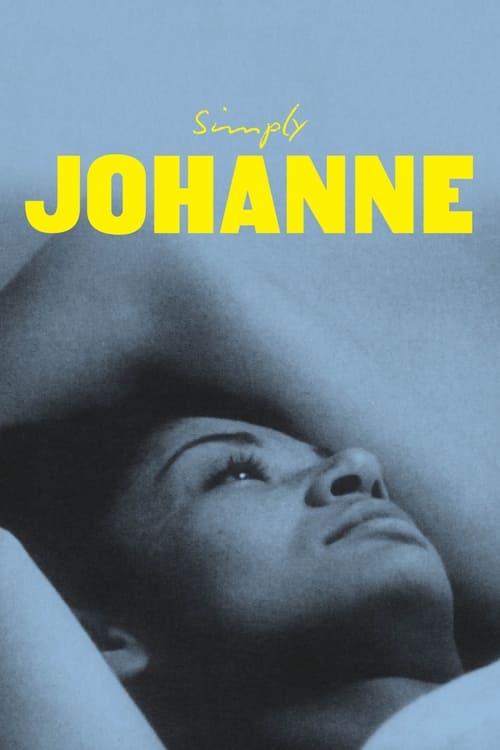
Abandoned on the doorstep of a Montreal orphanage, Johanne Harrelle eventually rose to prominence as a gifted artist, actress, and one of North America's first Black models. Simply Johanne deftly explores her complex and audacious life through archival footage, interviews with loved ones and performances of her writings by three contemporary actresses. The film chronicles the journey of a magnetic and passionate woman who defied the expectations of her time.
1996
Afros, braids or corn-rows--hairstyles have always carried a social message, and few issues cause as many battles between Black parents and their daughters. To "relax" one's hair into straight tresses or to leave it "natural" inevitably raises questions of conformity and rebellion, pride and identity. Today trend-setting teens proudly reinvent themselves on a daily basis, while career women strive for the right "professional" image, and other women go "natural" as a symbol of comfort in their Blackness. Filmmaker Nadine Valcin meets a range of women as they reveal how their hairstyles relate to their lives and life choices.
2023
Ma traversée is a personal quest, filmed over 20 years, recounting the racial issues and privileges that have punctuated the filmmaker’s life in three French-speaking societies: Guadeloupe, France and Quebec. From her own story emerges the broader narrative of colonization, colorism, assimilation, integration and the social benefits of “race” and their impact even today. Brutalized by police officers in Montreal in December 2017 in front of witnesses, the filmmaker takes a step back to understand this gesture, which speaks to the social interpretation of skin color.
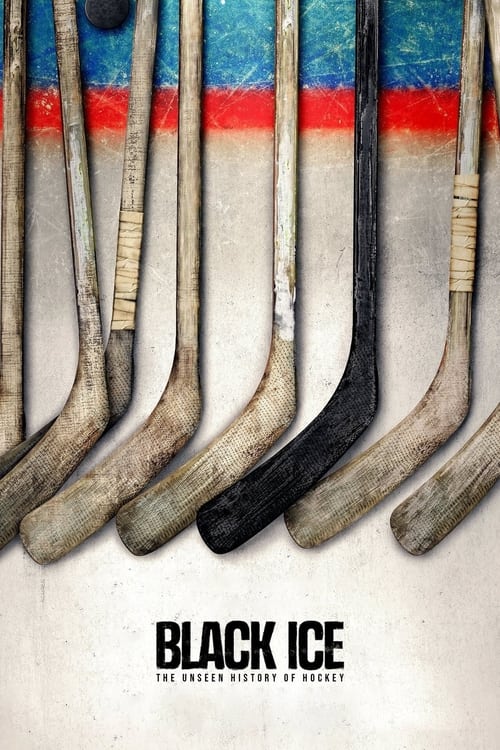
This incisive, urgent documentary examines the history of anti-Black racism in hockey, from the segregated leagues of the 19th century to today’s NHL, where Black athletes continue to struggle against bigotry.
2026
In an effort to understand where she came from, Fabiola asked a question that became the central phrase of the film: what would my life have been like if I'd stayed in Haiti? Taking as her starting point her biological mother's precarious economic situation, she had no choice but to entrust her daughter to her care. Fabiola could have ended up restavek, or in a loving foster family, or on the streets abandoned to her fate, or adopted abroad.
Follows the defiance of two art institutions in the Caribbean: one closed but squatted by artists, the other fighting to stay open. Against the backdrop of political strife, Haitian and Guadeloupean artists grapple with the concept of freedom in their battle to preserve their spaces.
2008
Zombies are part of pop culture, but what are they? Where do they come from? To find real zombies we visit Haiti where Zombies are an integral part of the island's cultural and religious roots.
2015
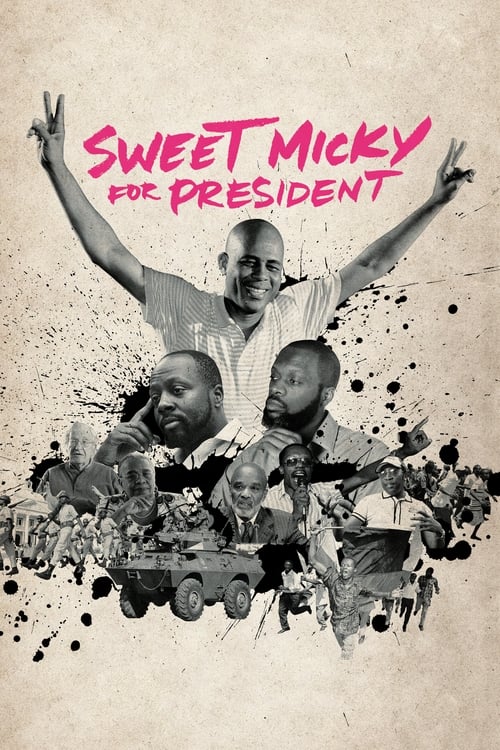
Music and politics collide when international music star, Pras Michel of the Fugees, returns to his homeland of Haiti following the devastating earthquake of 2010 to mobilize a presidential campaign for Haiti's most controversial musician: Michel Martelly aka Sweet Micky. The politically inexperienced pair set out against a corrupted government, civil unrest, and a fixed election. When Pras's former bandmate, superstar Wyclef Jean, also enters the presidential race, their chances seem further doomed. But with the help of a few friends, including Ben Stiller and former president Bill Clinton, they never give up on their honest dream of changing the course of Haiti's future forever
2025
In this documentary, wealthy entrepreneur Bryan Johnson puts his body and fortune on the line to defy aging and extend his life beyond all known limits.
2018
A documentary that reveals the underbelly of the global aid and investment industry. It's a complex web of interests that span the earth from powerful nations and multinational corporations to tribal and village leaders. This documentary offers unique insights into a multi-billion dollar world by investigating how aid dollars are spent.
1989
In this short documentary, five black women talk about their lives in rural and urban Canada between the 1920s and 1950s. What emerges is a unique history of Canada’s black people and the legacy of their community elders. Produced by the NFB’s iconic Studio D.