2017
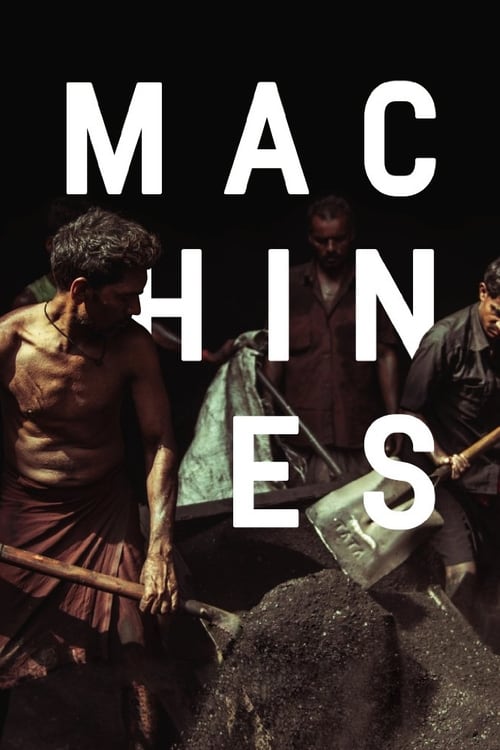
This portrayal of the rhythm of life and work in a gigantic textile factory in Gujarat, India, moves through the corridors and bowels of the enormously disorienting structure—taking the viewer on a journey of dehumanizing physical labor and intense hardship.
1992
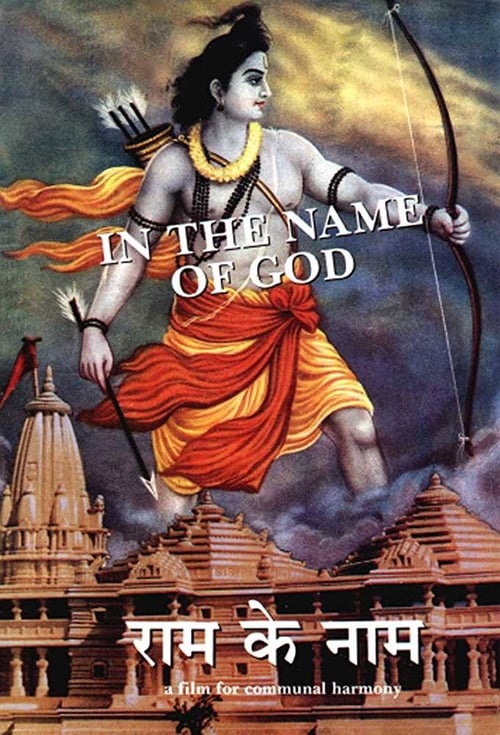
The film explores the campaign waged by the Hindu right-wing organisation Vishva Hindu Parishad to build a Ram temple at the site of the Babri Masjid in Ayodhya, as well as the communal violence that it triggered. A couple of months after Ram ke Naam was released, VHP activists demolished the Babri Masjid in 1992, provoking further violence.
2009
Each night the only border crossing between India and Pakistan on a 1000km stretch becomes the sight of an extraordinary event. Thousands of people gather to witness the ritual closing of the border, after which the masses get as close as possible to the gate to greet their former neighbors. This "festival" is therefore on the one hand a celebration of the partition, but on the other hand also the only connecting element. What do the terms separation, home and proximity mean to the people on both sides?
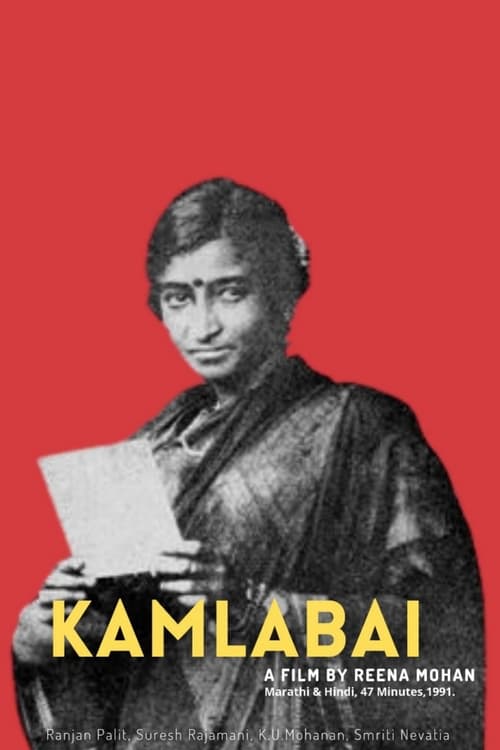
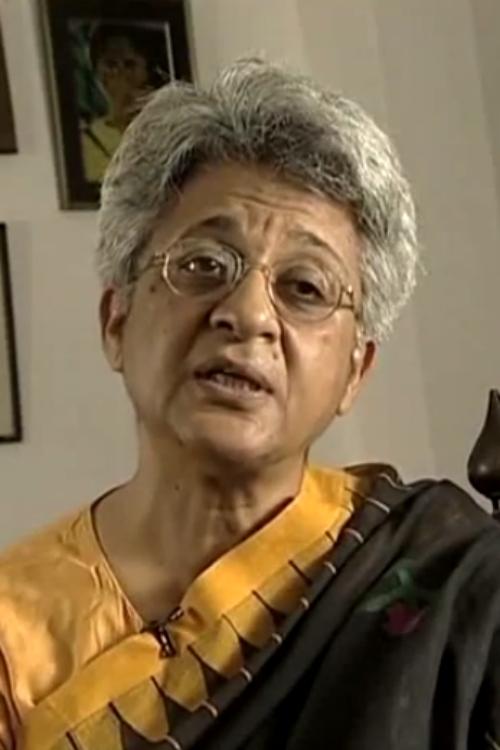
Conversations with 92 year old Kamlabai Gokhale, a pioneering actress of the Marathi stage and the first lady of Indian film. The documentary gives an impression of the history and growth of Indian film and theatre as it was experienced by a woman who struggled against the social structures of her times.
2023
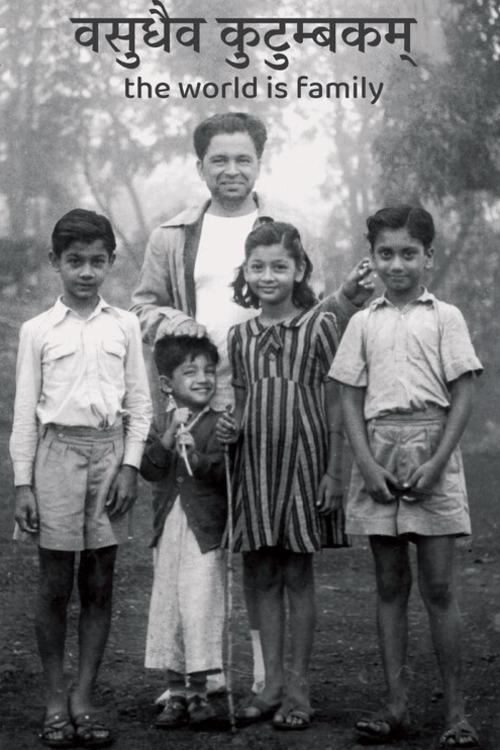
Esteemed documentarian Anand Patwardhan directs a portrait of his parents, whose families were intertwined with Gandhi and India’s independence movement. His view on history extolls unity between Hindus and Muslims, a value that needs reasserting in modern politics.
2021
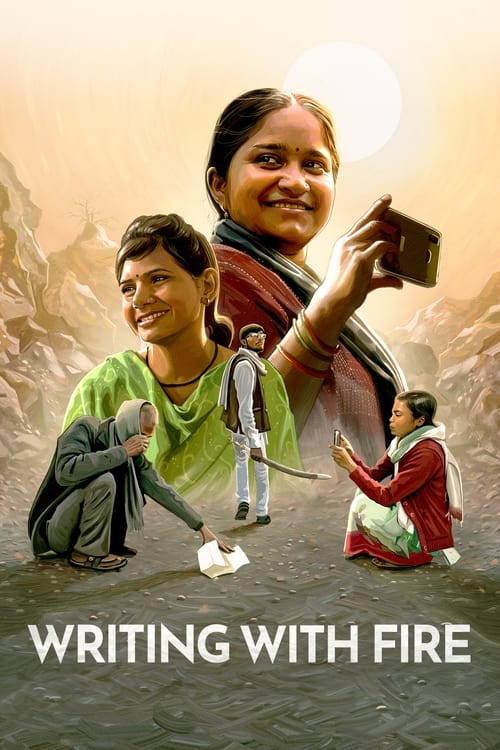
In a cluttered news landscape dominated by men, emerges India’s only newspaper run by Dalit women. Armed with smartphones, Chief Reporter Meera and her journalists break traditions on the frontlines of India’s biggest issues and within the confines of their own homes, redefining what it means to be powerful.
1985
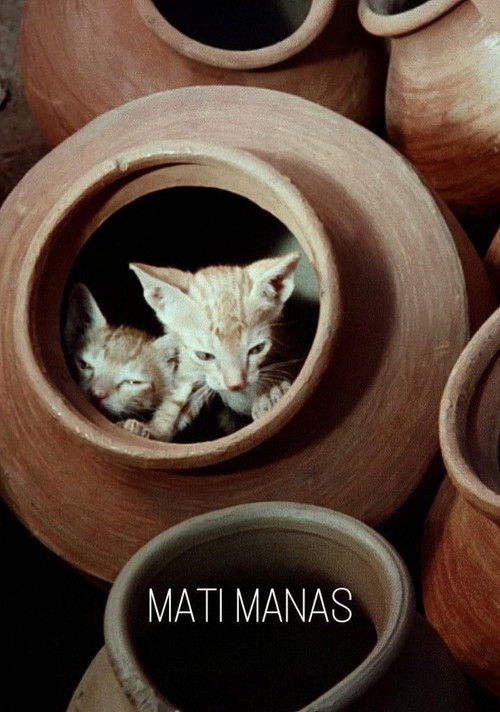
In a poetic hour and a half, director Mani Kaul looks at the ancient art of making pottery from a wide variety of perspectives.
1972
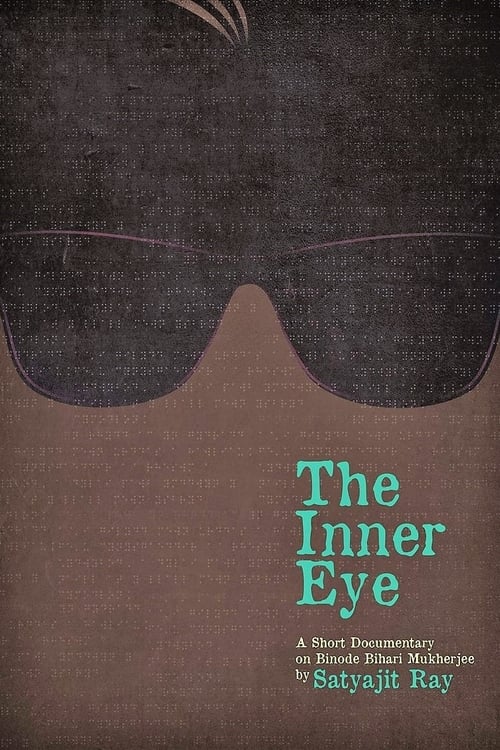
At the age of 54, Binode Bihari Mukherjee, an accomplished painter, lost his sight following an unsuccessful cataract operation. He continued to create art despite his loss of sight. The documentary explores Binode Bihari’s inner eye that guides his fingers to create art.
2024
A meandering brook of moments from two afternoons spent with Vinod Kumar Shukla, his wife and son at their home in Raipur, saunters between the mingling geographies of past, present and future, drifting in and out of pauses – to ponder, to reflect, to reminisce, and to share.
1996
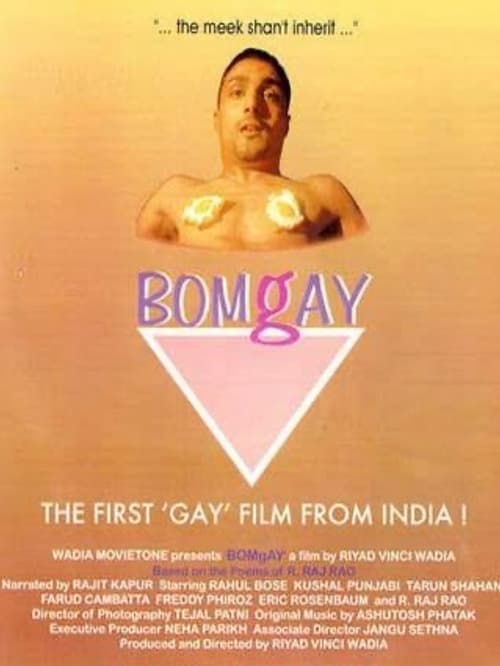
Based on the poetry of R. Raj Rao, Bomgay is a collection of six vignettes that depict the underground and complex nature of the gay identity in urban India. Part Genet, part Bollywood, this film combines acidic verse and insightful imagery to reveal the emerging gay community in the post-liberalized India of the 1990s.
2011
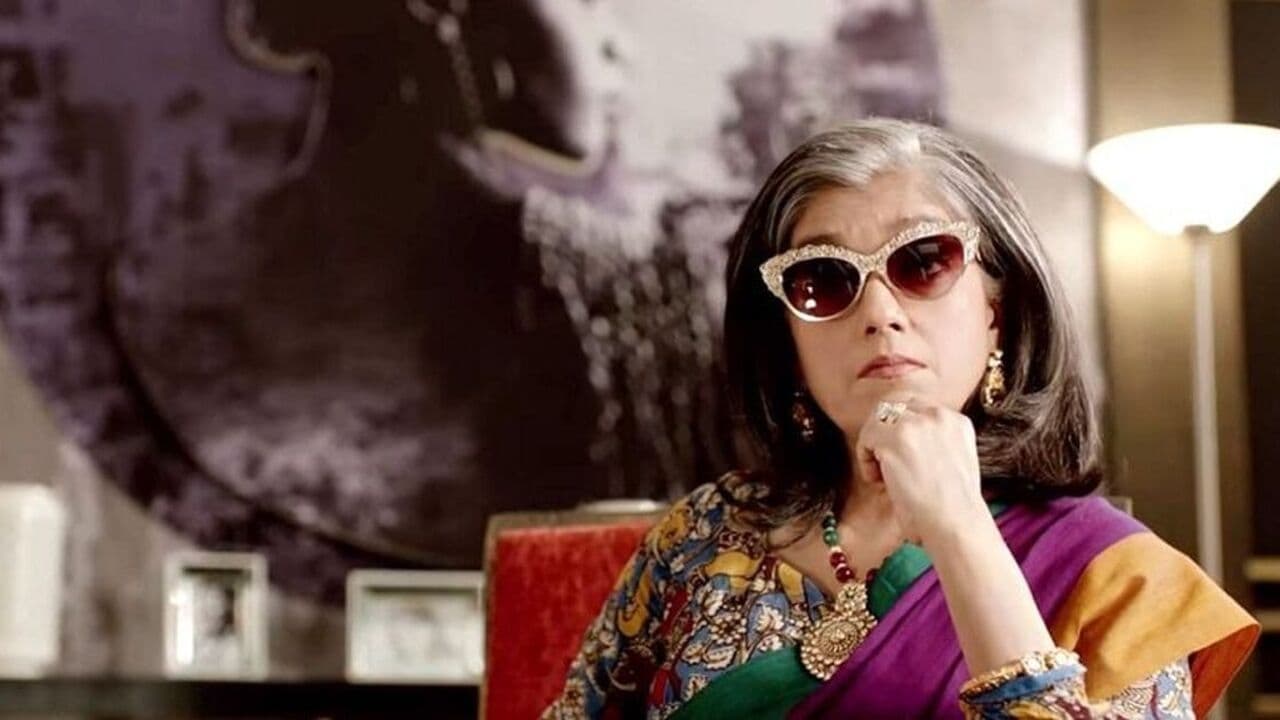
The film starts with the earliest form of cinema and how Shama Zaidi became an integral part of the evolution of Indian Cinema.
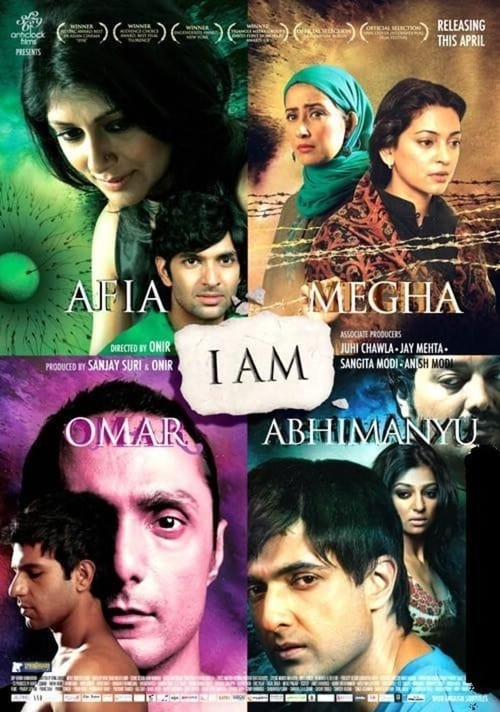
I Am is a 2011 Indian anthology film by Onir. It consists of four short films: "Omar", "Afia", "Abhimanyu", and "Megha". Each film shares the common theme of fear and each is also based on real life stories. The film was financed by donations from more than 400 different people around the world, many of whom donated through social networking sites like Facebook. There are four stories but the characters are interwoven with each story. "Abhimanyu" is based on child abuse, "Omar" on gay rights, "Megha" is about Kashmiri Pandits and "Afia" deals with sperm donation. I Am was released with subtitles in all regions as six different languages are spoken in the film: Hindi, English, Kannada, Marathi, Bengali and Kashmiri.