2002
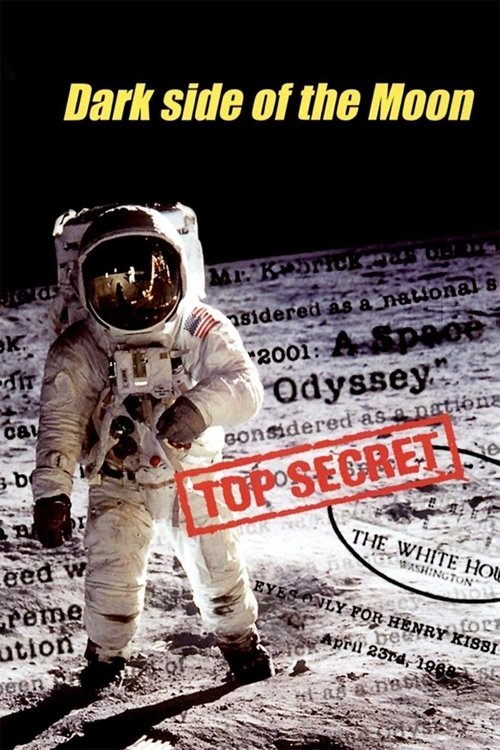
A French documentary or, one might say more accurately, a mockumentary, by director William Karel which originally aired on Arte in 2002 with the title Opération Lune. The basic premise for the film is the theory that the television footage from the Apollo 11 Moon landing was faked and actually recorded in a studio by the CIA with help from director Stanley Kubrick.
2011
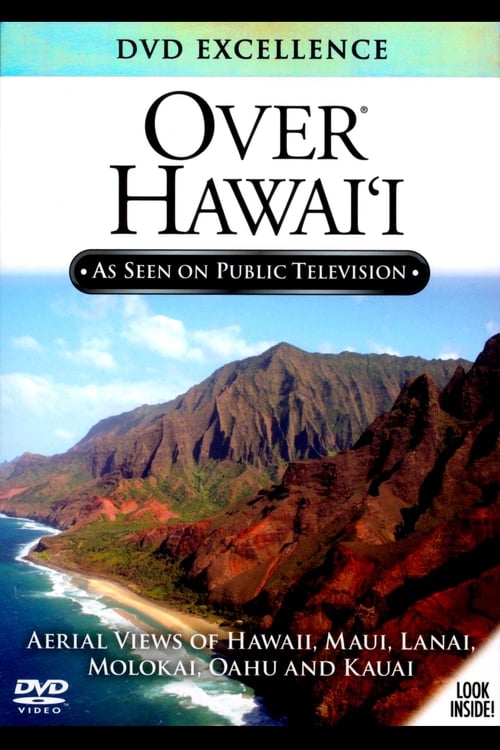
Go to the Big Island and hover above erupting craters at Hawaii Volcanoes National Park, watch flowing orange lava ooze across charred rock and steam billow from the Pu'u 'O'o Vent. Glide over Maui's Haleakala National Park and discover the diversity of Hawaiian landscapes. Island hop to Lanai for spectacular beaches. Visit Pearl Harbor from above and the memorial sites before exploring the rest of Oahu. Narrated by Tom Skerritt
An inspiring 75min DIY documentary film on new art and the young artists behind it. It was all filmed on the heat of live action of the first NOVA Contemporary Culture Festival, July and August 2010 in São Paulo, Brazil.
1970
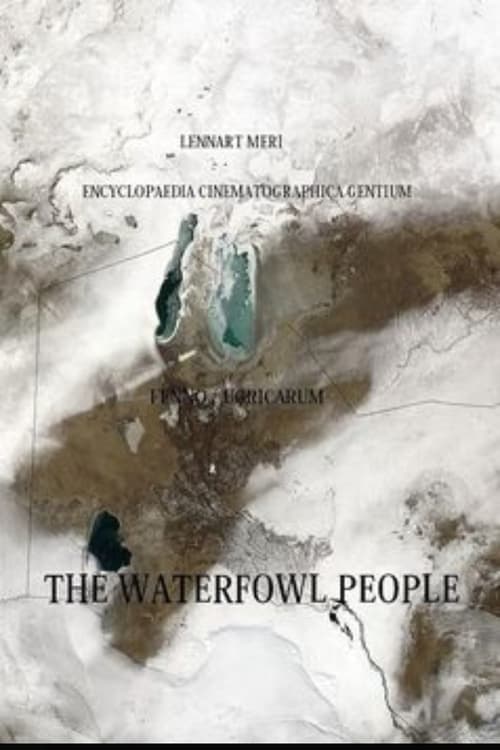
A documentary about the histoy and linguistic ties of the Finno-Ugric, and Samoyedic peoples. Speakers of the Kamassian, Nenets, Khanty, Komi, Mari, and Karelian languages were filmed in their everyday settings in the late 1960s and early 1970s. The footage was shot in Altai Krai, the Nenets Okrug, Khantia-Mansia, Uzbekistan, the Komi Republic, Mari el, Karelia, and Estonia. The first documentary in Lennart Meri's "Encyclopaedia Cinematographica Gentium Fenno - Ugricarum (1970 - 1997)" series.
1978
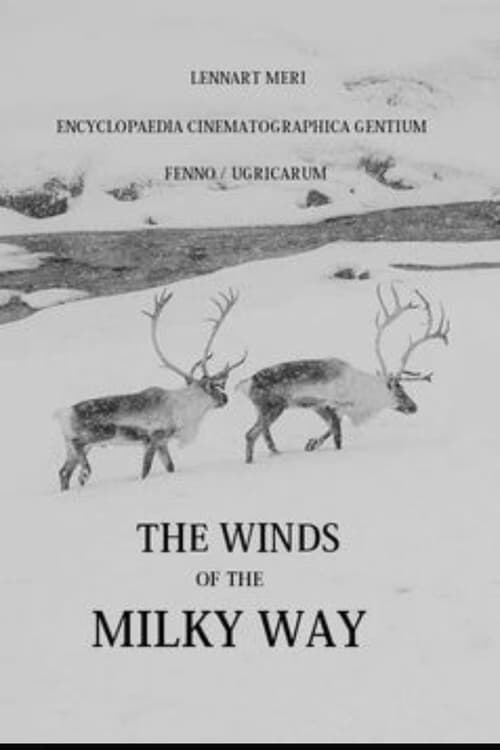
Sequel to the "The Waterfowl People". The author interprets the kinship, linguistic and cultural relationships of the Finno-Ugric peoples. Finns, Vepsians, Votes, Setos, Erzya-Mordvinians, Mansi, Hungarians, Sami, Nganasans, and Estonians appear in the film. The film was shot in 1977 on location in northern Finland, Sapmi, Vepsia, Votia, Mordovia, Khantia-Mansia, Hungary, the Taymyr Peninsula, the Setomaa region in Estonia, and on the Estonian islands of Saaremaa and Muhu. Footage was also shot in 1970 in the Nenets Okrug. The second documentary in Lennart Meri's "Encyclopaedia Cinematographica Gentium Fenno - Ugricarum" series.
1989
In the same vein as Meri's other documentations, this one takes advantage of the glasnost policy to discuss the social and ecologic impact of the Russian oil industry on the natives and the lands they inhabit.
1997
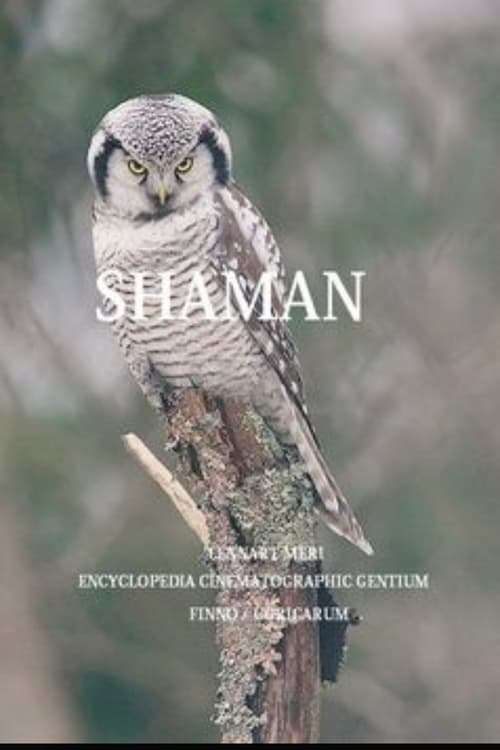
"Shaman" was filmed on July the 16th, 1977 in the northernmost corner of Eurasia, on the Taymyr Peninsula, at the Avam river, concurrently with the shooting of the documentary "The Winds of the Milky Way". The Nganasan Shaman Demnime (1913-1980) was 64 years old at the time. The documentary about Demnime's incarnation ritual was completed 20 years later. The fifth and final documentary in Lennart Meri's "Encyclopaedia Cinematographica Gentium Fenno - Uricarum" series.
1955
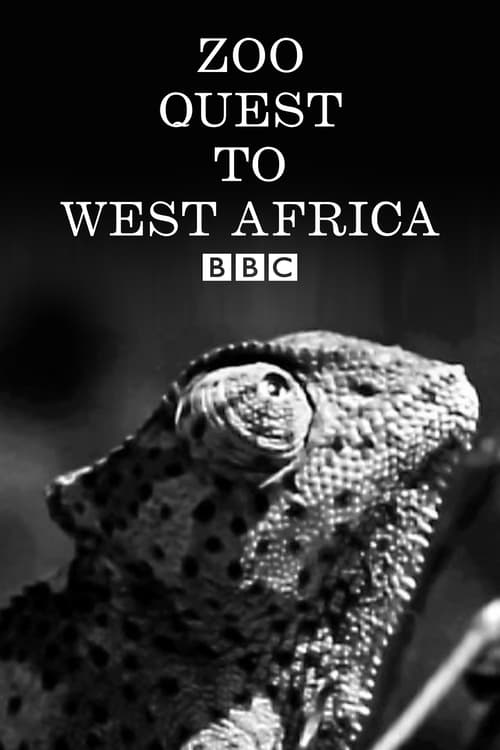
In September 1954, David Attenborough, cameraman Charles Lagus, Jack Lester and Alf Woods, both from the Zoological Society of London, set out for Sierra Leone. They spent three months intently surveying the landscapes of Sierra Leone in search of nature’s rarest animals. Although predominantly searching for Picathartes gymnocephalus (the White-necked Rockfowl) they hoped to take back to London a representative collection of the whole of animal life in this part of Africa.
2023
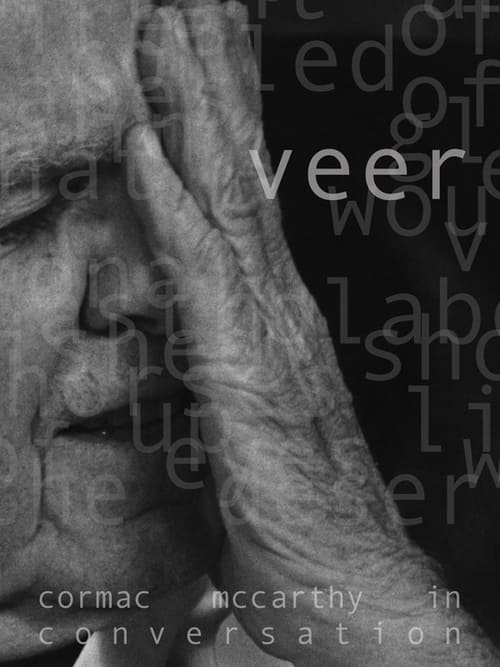
Cormac McCarthy has spent the last 25 years writing his novels at the mountain top retreat of the Santa Fe Institute (SFI) in New Mexico. An institute dedicated to the formal analysis of complex systems. In this documentary filmed at the library at SFI (and in the desert), Cormac in conversation with his colleague David Krakauer, reflects on isolation, mathematics, character, and the nature of the unconscious
2025
A mockumentary about the life of the german musician and comedian Helge Schneider
2022
1993
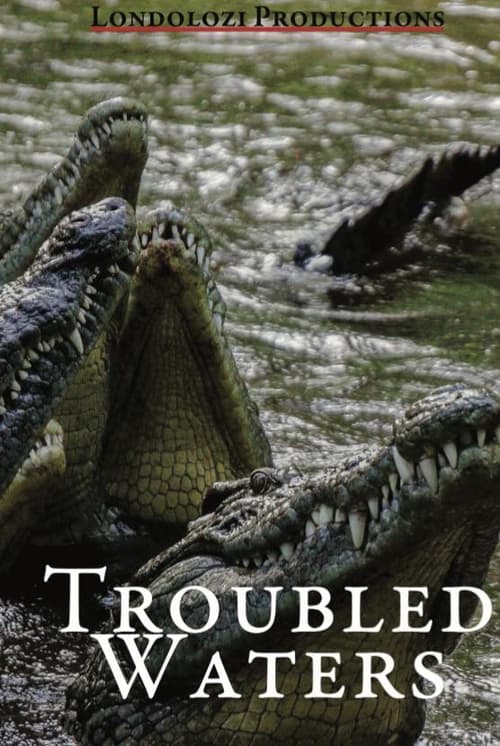
The Rivers of Africa shape the lives of those who call their banks home- in the African wilderness there can be no life without water. The continents rivers are the focal point of the dramas of the bushveld- the same river that gives life also harbours death. For the many creatures that live along Africa's rivers - the need to quench their thirst is an essential part of their lives- but rivers such as the Mara in Kenya are a barrier for animals where death comes in many guises- but each animal has their own way of navigating these treacherous waters.