2007
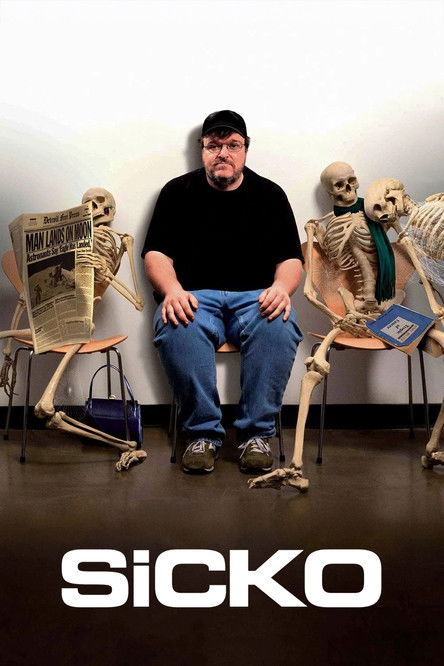
A documentary about the corrupt health care system in The United States whose main goal is to make profit even if it means losing people’s lives. "The more people you deny health insurance, the more money we make" is the business model for health care providers in America.
2017
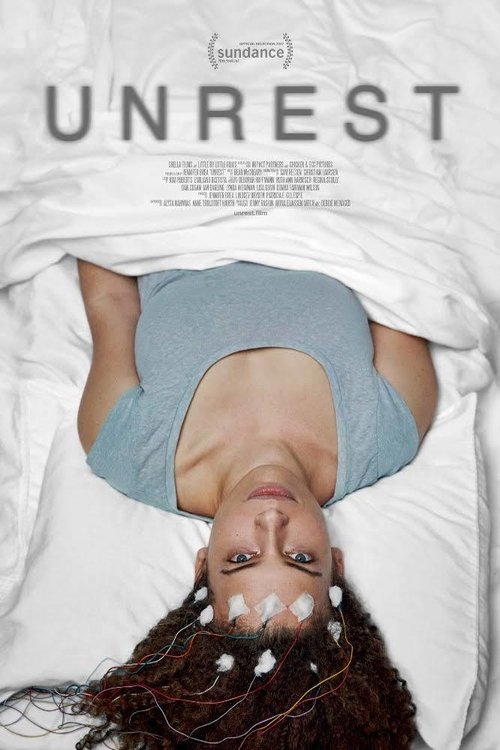
When Harvard PhD student Jennifer Brea is struck down at 28 by a fever that leaves her bedridden, doctors tell her it’s "all in her head." Determined to live, she sets out on a virtual journey to document her story—and four other families' stories—fighting a disease medicine forgot.
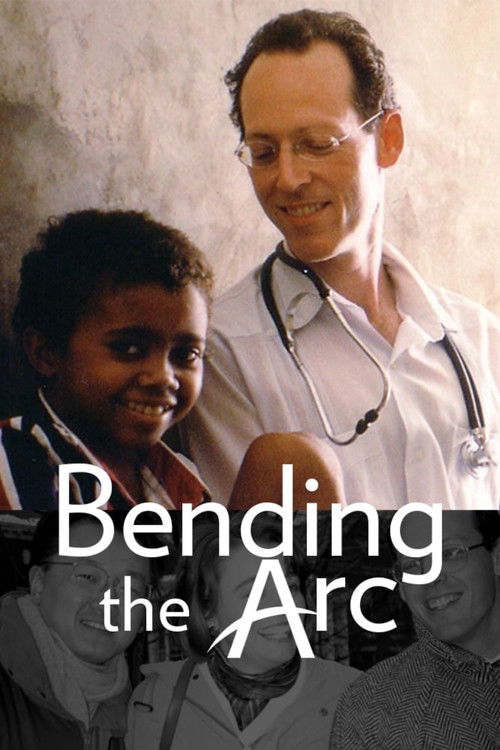
About the extraordinary doctors and activists—including Paul Farmer, Jim Yong Kim, and Ophelia Dahl—whose work 30 years ago to save lives in a rural Haitian village grew into a global battle in the halls of power for the right to health for all.
2008
Edeltraut Hertel - a midwife caught between two worlds. She has been working as a midwife in a small village near Chemnitz for almost 20 years, supporting expectant mothers before, during and after the birth of their offspring. However, working as a midwife brings with it social problems such as a decline in birth rates and migration from the provinces. Competition for babies between birthing centers has become fierce, particularly in financial terms. Obstetrics in Tanzania, Africa, Edeltraud's second place of work, is completely different. Here, the midwife not only delivers babies, she also trains successors, carries out educational and development work and struggles with the country's cultural and social problems.
2022
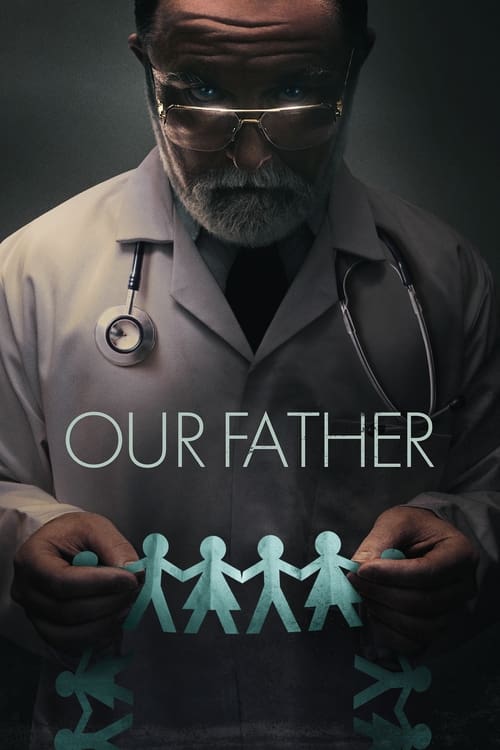
After a woman's at-home DNA test reveals multiple half-siblings, she discovers a shocking scheme involving donor sperm and a popular fertility doctor.
2006
Kim and Aggie travel to Ealing, West London, to look at the standards of cleanliness and issues of hygiene facing Britain's hospitals. Ealing Hospital has been publicly criticized in the past for its levels of sanitation. But during the last 18 months the hospital's Chief Executive, Fiona Wise, has worked tirelessly to raise standards of cleanliness. Over three months, the hospital opened its doors to the scrupulously clean Kim and Aggie, allowing them free rein to visit all departments to examine cleanliness levels and tackle any problems in their own unique style.
2019
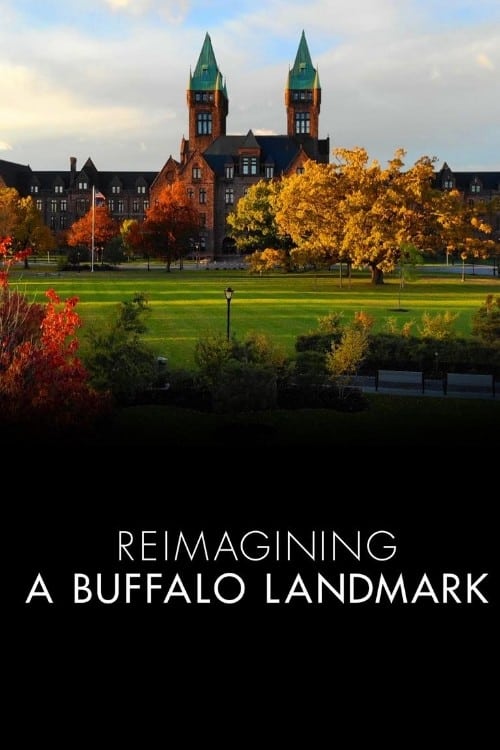
The Richardson Olmsted Campus, a former psychiatric center and National Historic Landmark, is seeing new life as it undergoes restoration and adaptation to a modern use.
2023
Harold Frederick Shipman, known to acquaintances as Fred Shipman, was an English general practitioner and serial killer. He is considered to be one of the most prolific serial killers in modern history, with an estimated 250 victims. We delve into the psychology of Harold to try and understand what turned him into such a cruel murderer and how he managed to get away with it for so long.
Dr. Carlos Cristos, 47, is terminally ill. He call a film director and proposes him to record his struggle for to live and die with dignity and without drama.
Portrayal of a surgeon who feels stifled by Swedish bureaucracy and relocates to Ethiopia to practice medicine. In a small field hospital, with limited resources, he uses anything at hand to help the patients.
1976
1976: a university hospital in Brussels. Old women gather in a common room. Sick? Perhaps. Lonely, above all. The film is also the perspective of a North African woman on other women, nurses and patients. The medical staff discuss their working conditions, and the filmmaker questions, challenges and bears witness to what she sees in this ‘death ward’. Another illness. Unclassified. A very malignant tumour. A tumour that proliferates in a society ‘proud’ of its social security system but which creates a ghetto of the unproductive, the ‘left behind’, the elderly who hurt themselves by contemplating their loneliness in a hospital ward.
2021
When Covid-19 hit New York City in 2020, filmmaker Matthew Heineman gained unique access to one of New York’s hardest-hit hospital systems. The resulting film focuses on the doctors, nurses, and patients on the frontlines during the “first wave” from March to June 2020. Their distinct storylines each serve as a microcosm to understand how the city persevered through the worst pandemic in a century