2025
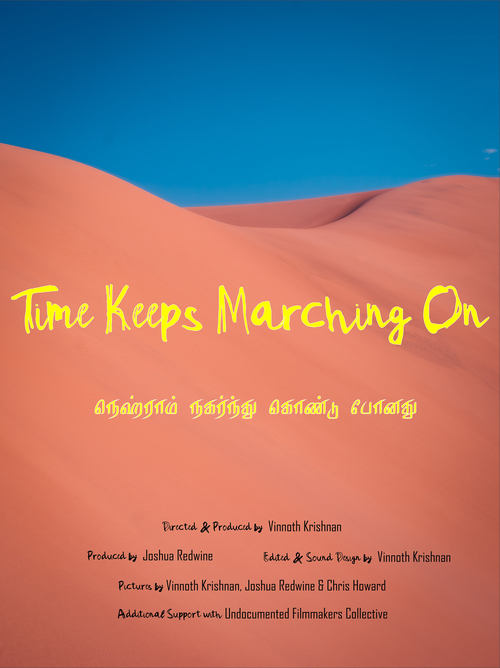
An undocumented immigrant explores his and his family's immigration trauma while grasping hope through a voicemail.
1973
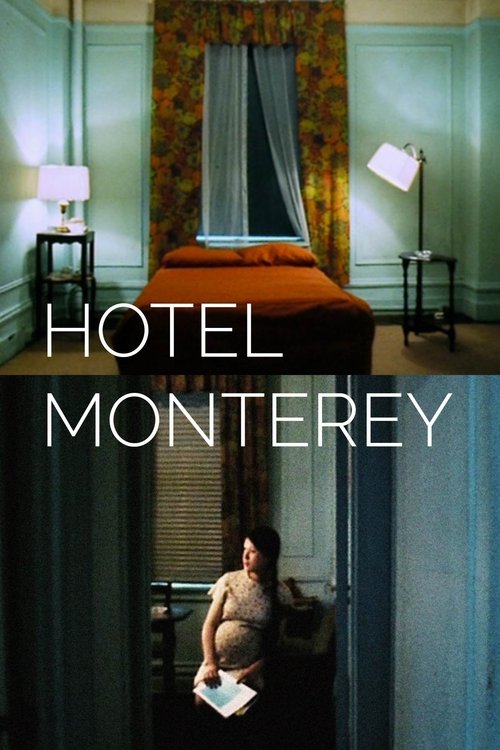
New York City's Monterey is a residence hotel, whose inhabitants are older and primarily live alone. The camera, usually stationery, observes the lobby. No score, the lobby is clean with granite floors, men wear hats, people enter and exit an elevator, the camera looks out from within the elevator as doors open and close. People sit alone and motionless in their apartments. There are long shots of empty halls. Paint peels. The flooring on upper levels is linoleum. Hall lights are florescent. Doors open a crack then close.
2003
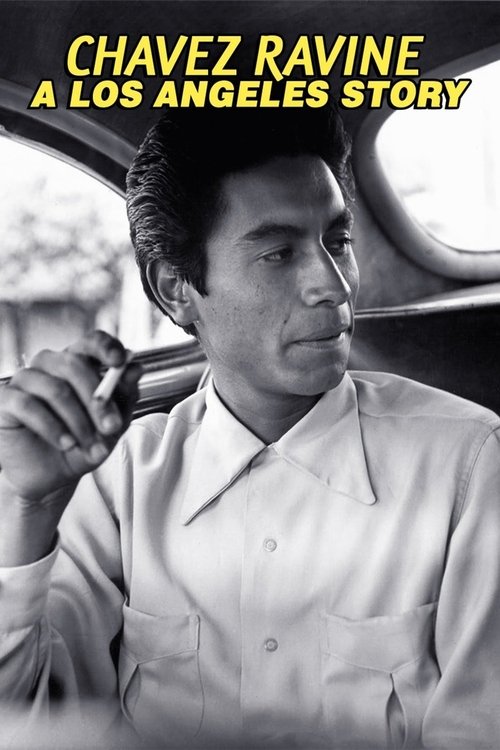
How a community was betrayed by greed, political hypocrisy, and good intentions gone astray.
2006
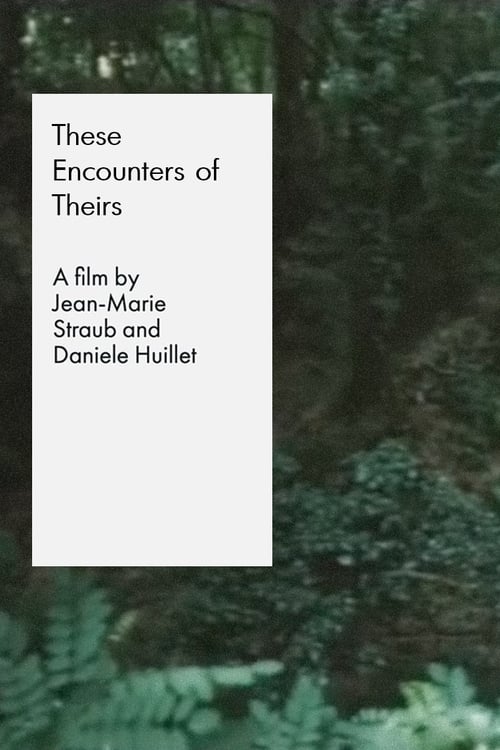
These Encounters Of Theirs divides 10 non-professional actors into couples, then has them take turns in declaiming the Dialogues With Leuco, Cesare Pavese's abstract, philosophical work.
2011
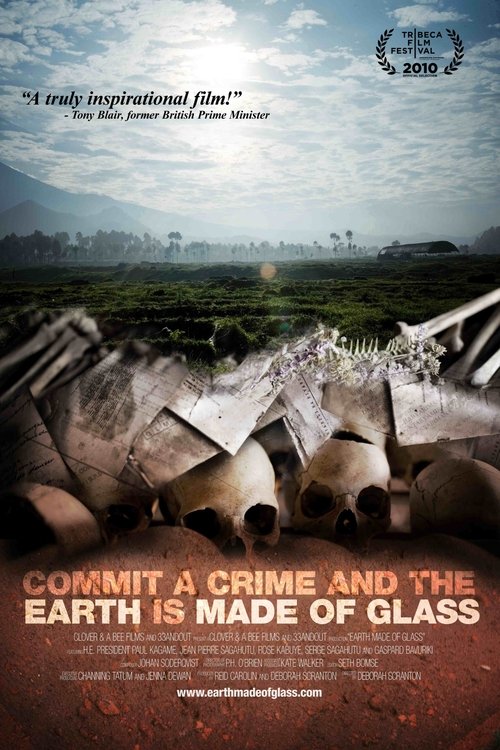
Chronicling the search for truth and peace in post-genocide Rwanda. Director Deborah Scranton explores issues of peace, retribution, accountability and justice, ultimately discovering a blueprint for ending the cycle of violence. Examining the personal and political repercussions of the deadly conflict in this east African country.
1977
An actress and a director run through a melodramatic scene, speaking to a mannequin.
1993
Documentary film about ethnic cleansing in the Prigorodny district in October-November 1992.
2024
How the mysteries surrounding Jeffrey Epstein’s life and death gave rise to a conspiracy theory that will never die.
1972
Furniture and clutter of one small apartment room become the subject of a moving still life—with Akerman herself staring back. This breakthrough formal experiment is Akerman's first film made in New York.
1968
Orson Welles talks fantasy and magic in this short Vienna travelogue.
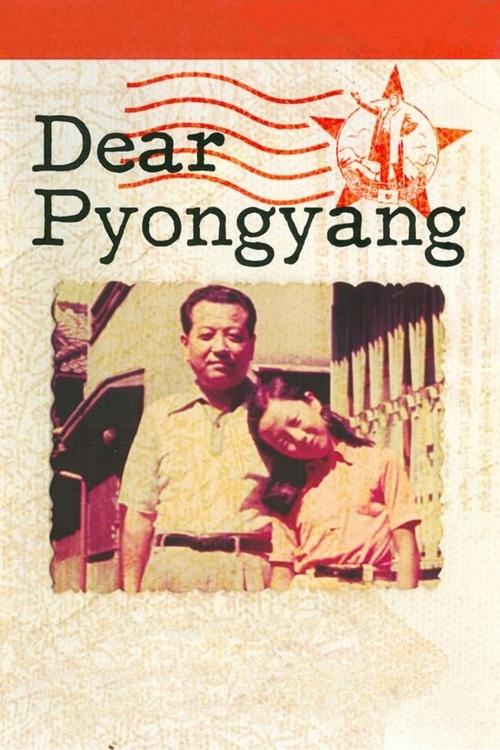
Dear Pyongyang is a documentary film by Zainichi Korean director Yang Yong-hi (Korean: 양영희, Hanja: 梁英姬) about her own family. It was shot in Osaka Japan (Yang's hometown) and Pyongyang, North Korea, In the 1970s, Yang's father, an ardent communist and leader of the pro-North movement in Japan, sent his three sons from Japan to North Korea under a repatriation campaign sponsored by ethnic activist organisation and de facto North Korean embassy Chongryon; as the only daughter, Yang herself remained in Japan. However, as the economic situation in the North deteriorated, the brothers became increasingly dependent for survival on the care packages sent by their parents. The film shows Yang's visits to her brothers in Pyongyang, as well as conversations with her father about his ideological faith and his regrets over breaking up his family.
1951
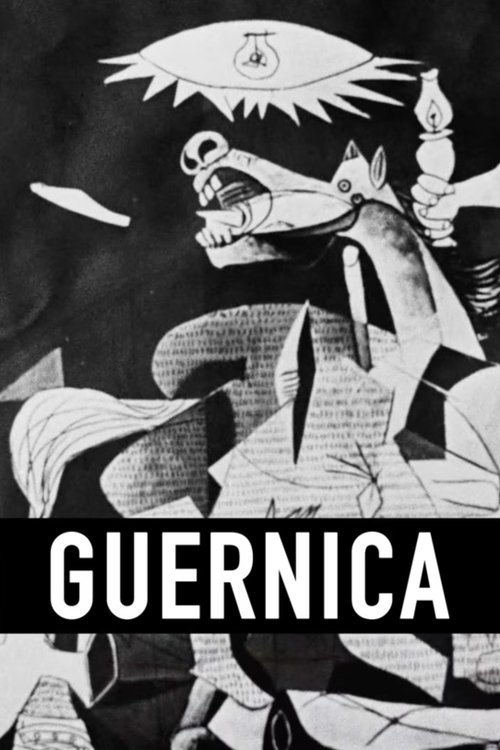
Alain Resnais & Robert Hessen use the famous Picasso mural "Guernica" in combination with newspaper headlines in an anti-war cry against the Spanish Civil War. Narration by Jacques Pruvost highlights the Guernica atrocity of April 1937, followed by a poem by Paul Eluard read by María Casares to a discordant score by Guy Bernard.