2015
Photographer and filmmaker Luigi Toscano spends a year meeting with hundreds of Holocaust survivors around the world to share their stories.
2012
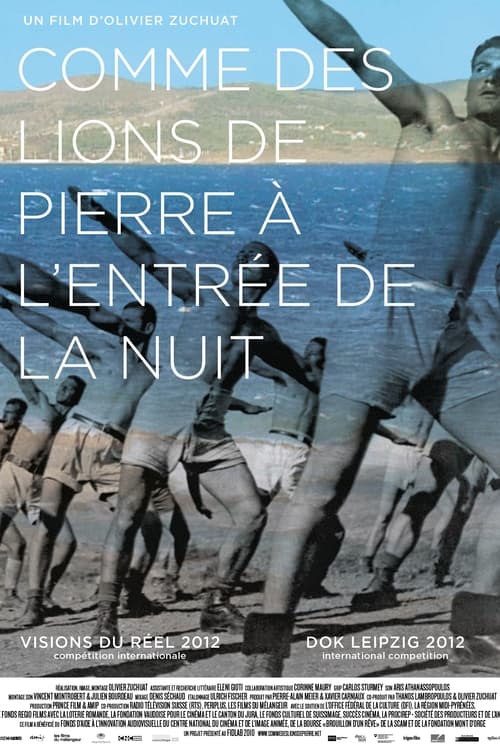
Between 1947 and 1951, more than 80 000 Greek men, women and children were deported to the isle of Makronissos (Greece) in reeducation camps created to ‘fight the spread of Communism’. Among those exiles were a number of writers and poets, including Yannis Ritsos and Tassos Livaditis. Despite the deprivation and torture, they managed to write poems which describe the struggle for survival in this world of internment. These texts, some of them buried in the camps, were later found. «Like Lions of stone at the gateway of night» blends these poetic writings with the reeducation propaganda speeches constantly piped through the camps’ loudspeakers. Long tracking shots take us on a trance-like journey through the camp ruins, interrupted along the way by segments from photographic archives. A cinematic essay, which revives the memory of forgotten ruins and a battle lost.
2019
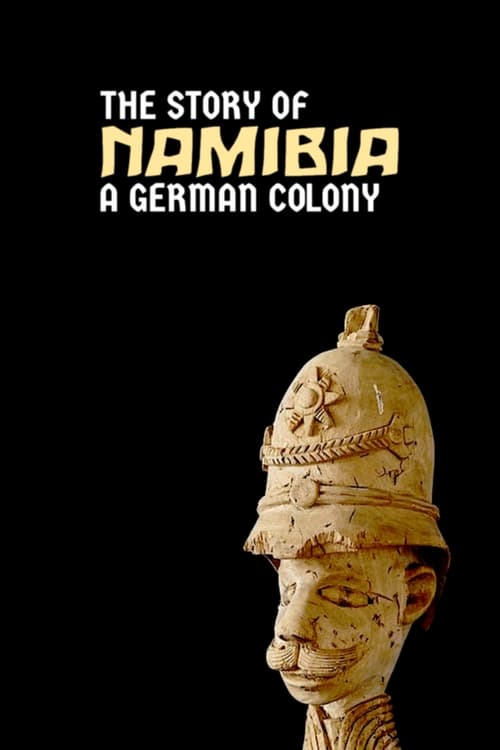
Germans colonized the land of Namibia, in southern Africa, during a brief period of time, from 1840 to the end of the World War I. The story of the so-called German South West Africa (1884-1915) is hideous; a hidden and silenced account of looting and genocide.
2024
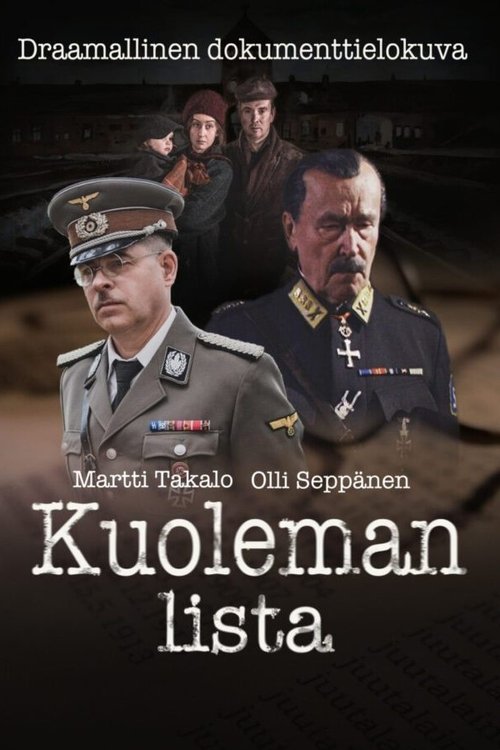
A dramatic documentary film that deals with the Nazi rise to power in Germany in the 1930s and the development of the persecution of Jews up to the Holocaust. The film tells about the attitude of the Finnish government to the request for the handover of the Finnish Jews presented by Heinrich Himmler in the summer of 1942. The main focus of the film is the life of Jewish refugees in Finland in the years 1938-1942 and the attitude of the Finnish government to their handover in the fall of 1942.
2005
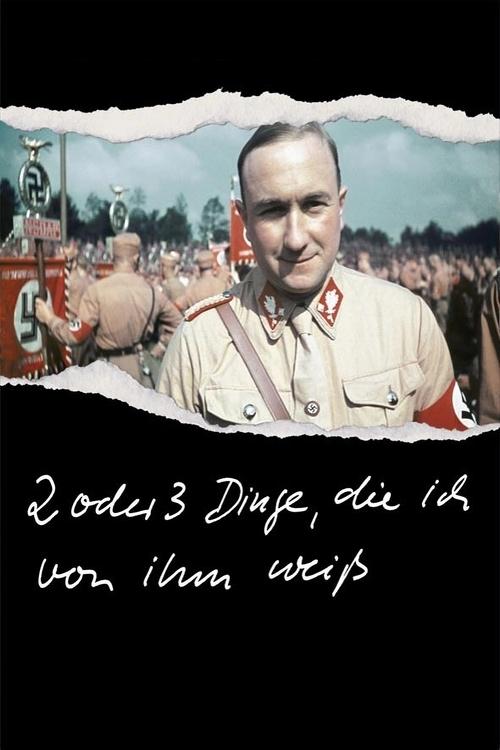
What would your family reminiscences about dad sound like if he had been an early supporter of Hitler’s, a leader of the notorious SA and the Third Reich’s minister in charge of Slovakia, including its Final Solution? Executed as a war criminal in 1947, Hanns Ludin left behind a grieving widow and six young children, the youngest of whom became a filmmaker. It's a fascinating, maddening, sometimes even humorous look at what the director calls "a typical German story." (Film Forum)
2021
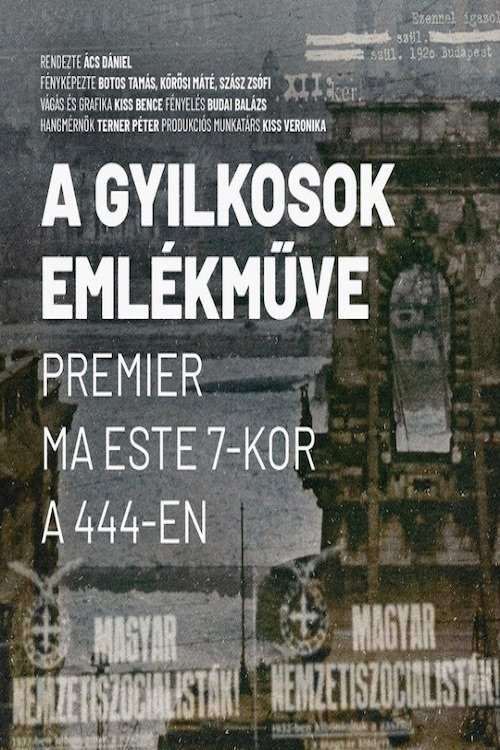
A film about a district in Buda, which to this day cannot face the inconceivably cruel crimes committed by its former inhabitants.
2013
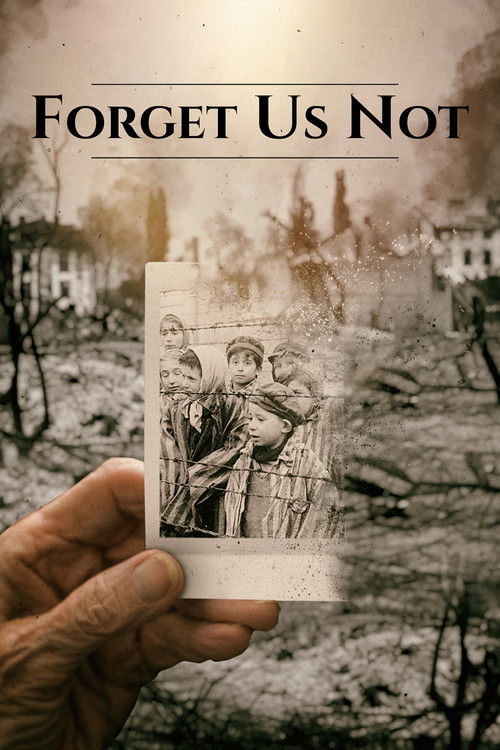
An in depth look at the persecution and subsequent death of the 5 million non Jewish victims of the World War II Holocaust and the lives of those who survived. Through stories of survivors and historical footage, these lesser known voices are brought to life. From the Roma and Sinti people who were also targeted for complete annihilation to the thousands of Catholic Priests who were killed for speaking out, Forget Us Not strives to educate and give tribute to those who were killed for their religion, ethnicity, political views, sexual orientation and physical handicaps.
The documentary tells the stories of people who were just children during the Second World War and the Nazi occupation of Ukraine. Its protagonists now live in Kyiv, Dnipro, and Odesa, where the filming took place. They survived the ghetto and also witnessed mass shootings that took place, according to researchers, in about five thousand locations across Ukraine. Each of the heroes lost loved ones. Parents, brothers, sisters, loved ones. Everyone had a single task during these terrible years - to survive. The entire mosaic of terrible memories collected in the film is part of a story of survival.
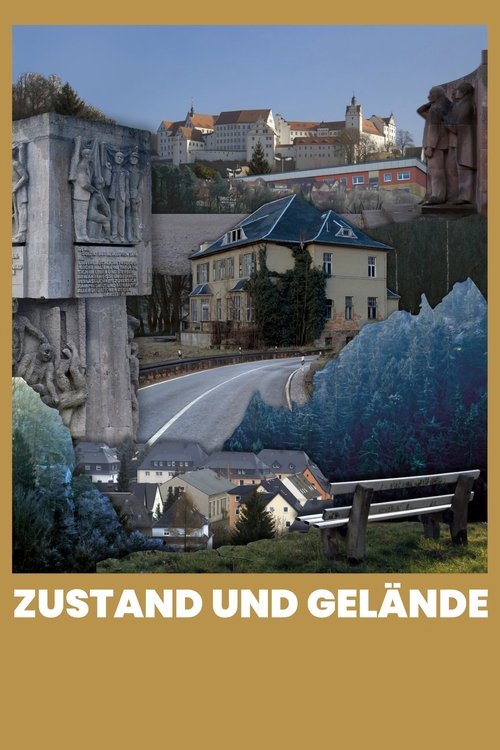
Exploring the mechanisms of the Nazi seizure of power and focusing on forgotten sites in Saxony and Thuringia, the film investigates early "wild" concentration camps established after 1933 for the suppression of political opponents.
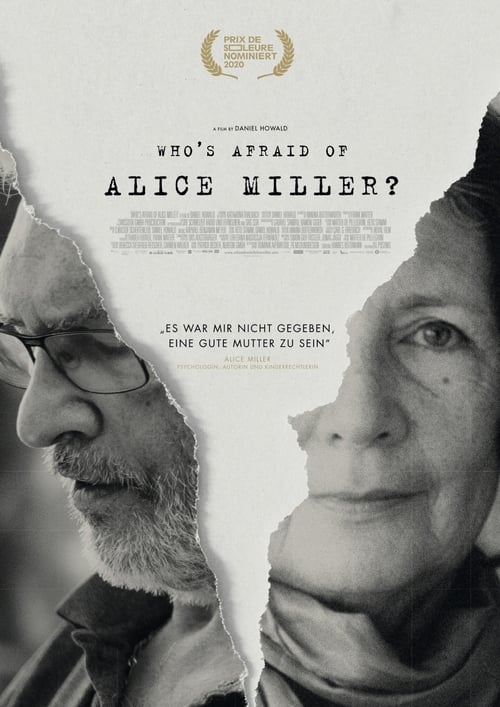
Martin is rejected by his mother with callousness and beaten by his father: a childhood without love. The story sounds like a case study from the book "The Drama of the Gifted Child" by the world-famous Swiss psychoanalyst Alice Miller. But Martin is the son of the committed child rights activist...
Under Their Skin: Tattoos of Memory and Resilience is a character-driven film featuring grandchildren of survivors (3Gs) who have made the controversial decision to tattoo their grandparents’ concentration camp numbers on their own bodies. The film follows subjects as they navigate personal relationships and public interactions that alternately celebrate and challenge their decision—and raise questions about the reenactment of trauma, and the act of transforming that trauma into healing. In interweaving storylines, we will meet 3Gs whose stories reveal that historical remembrance is an essential part of engaging with social issues and the rise of hate and intolerance today.
2025
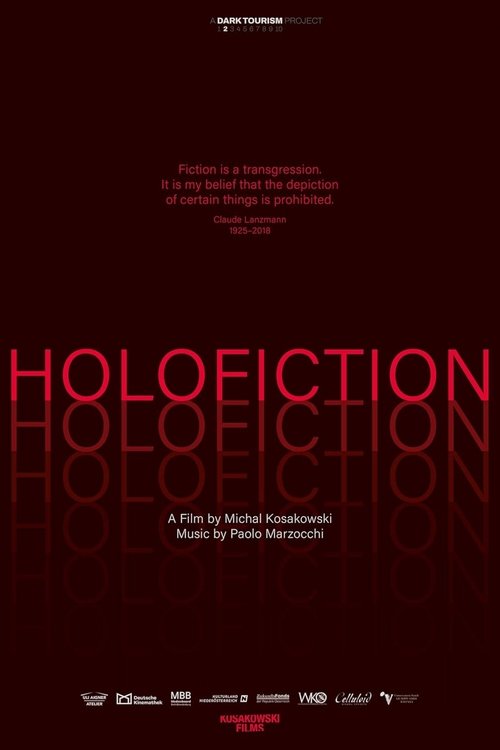
The experimental film explores the visual representation of the Holocaust through a montage of thousands of excerpts from fictional films and television series produced between 1938 and the present. Drawing from an extensive archive of over 3,000 narrative works the film critically examines how Holocaust imagery has been codified and reproduced in cinema across decades.