2017
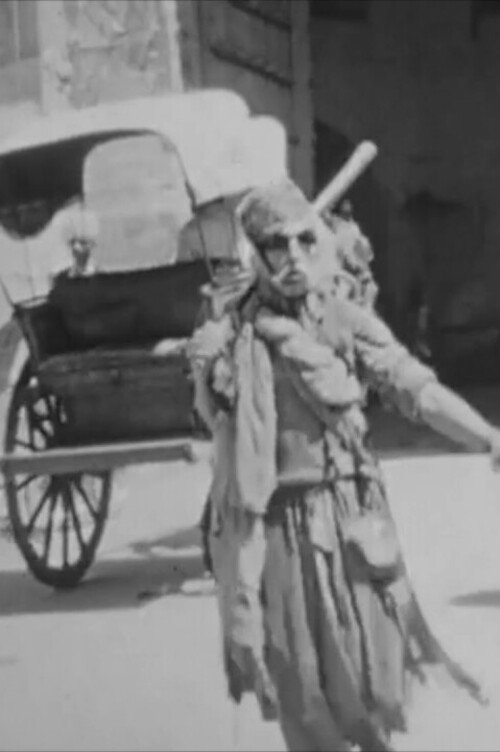
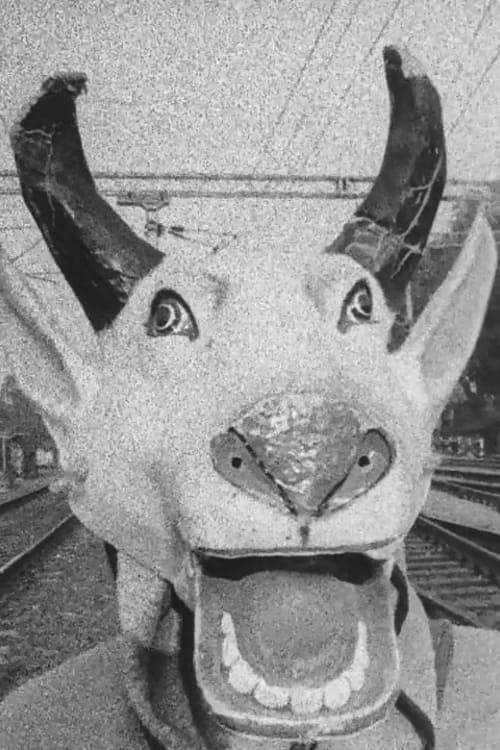
During social and political turmoil, what is the manifestation of divine intervention? How do the gods and goddesses act in the volatility of the contemporary world? If they walk on earth as men and women, how do they endure the chaos of modernity? Centering on the terrible and majestic incarnations of Goddess Kali and her celestial avatars, this film is a metaphysical contemplation in times of perpetual emergencies. Avikunthak’s remarkable sense of forms finds expression in the extraordinary combination of performance and essayistic cinematic practices.
1985
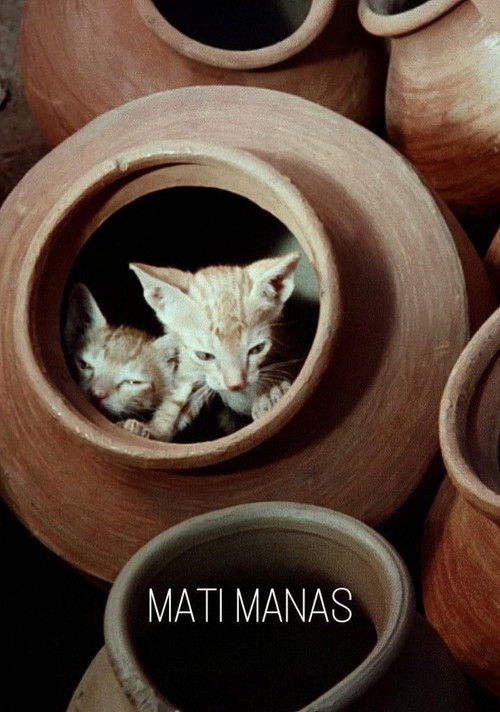
In a poetic hour and a half, director Mani Kaul looks at the ancient art of making pottery from a wide variety of perspectives.
2016
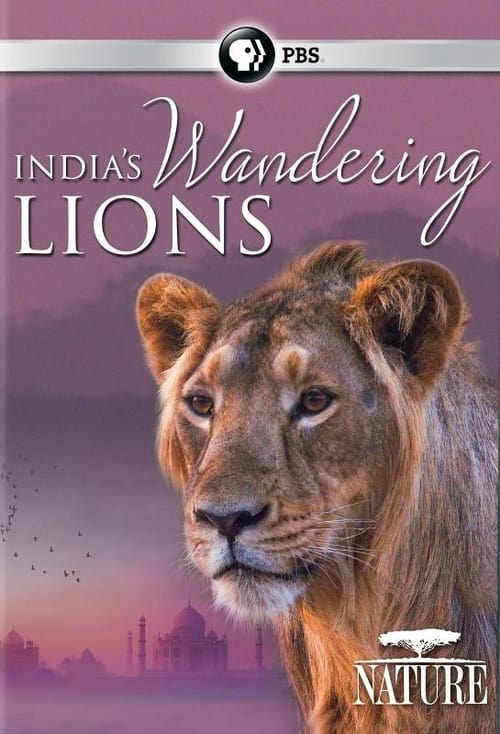
Once facing extinction, Asia's last wild lions live dangerously close to India's villages.
1980
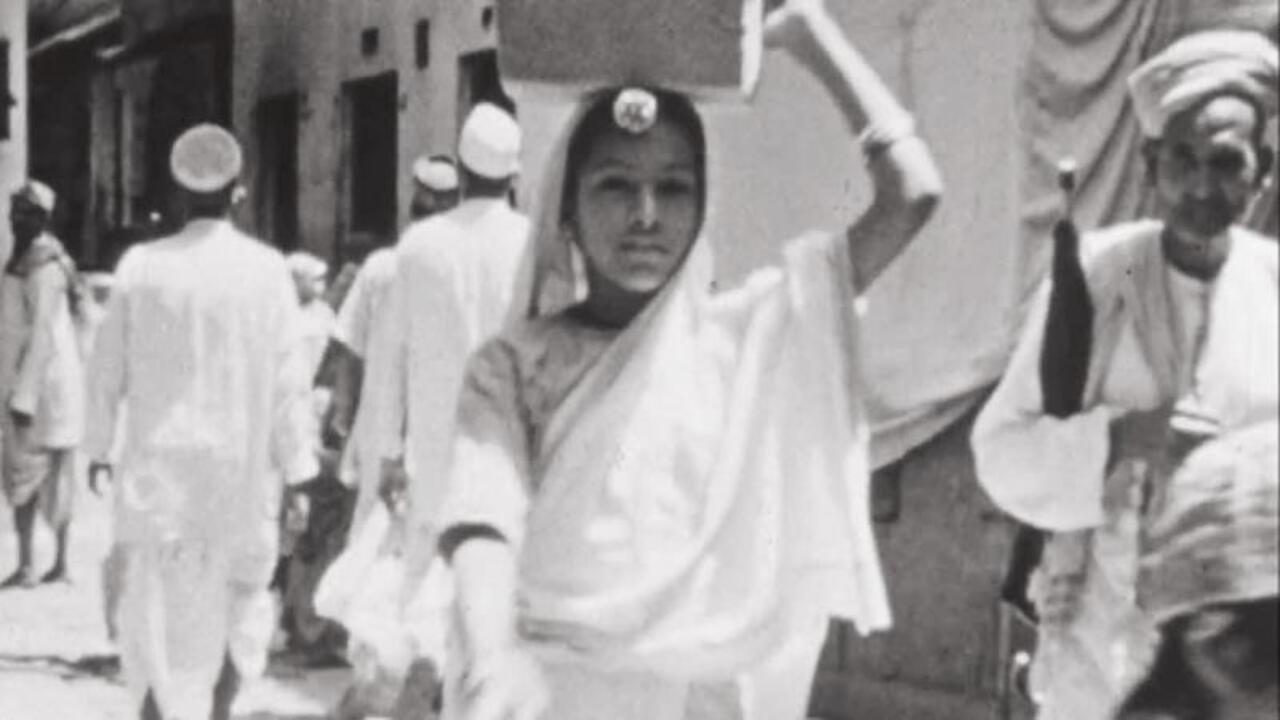
To the city come men, women, fruits, flowers, vegetables, goats and sheep – all ready for consumption. It is the process of consumption/exploitation that forms the core of the film.
2025
In Punjab’s Doaba region, a rooftop sculptor grapples with leaving home as his art and community reflect the hopes and sacrifices of migration.
1981
Man-pulled rickshaw, which have served Kolkata for over eight decades face virtual extinction as a result of legislation introduced by the State Government in 1981. This would rob over 100,000 people of a living. The film analyzes the critical situation, and on the basis of concrete facts and figures, questions whether such a step would be fruitful at all. The image of a man pulling a man is a depressing and a negative one - but not more negative than that of the image of a man going without food.
2013
In the week when Hindus celebrate the holy festival of Diwali, this documentary tells the story of one of their faith's most sacred symbols - the swastika. For many, the swastika has become a symbol synonymous with the Nazis and fascism. But this film reveals the fascinating and complex history of an emblem that is, in fact, a religious symbol, with a sacred past. For the almost one billion Hindus around the world, the swastika lies at the heart of religious practices and beliefs, as an emblem of benevolence, luck and good fortune.
2019
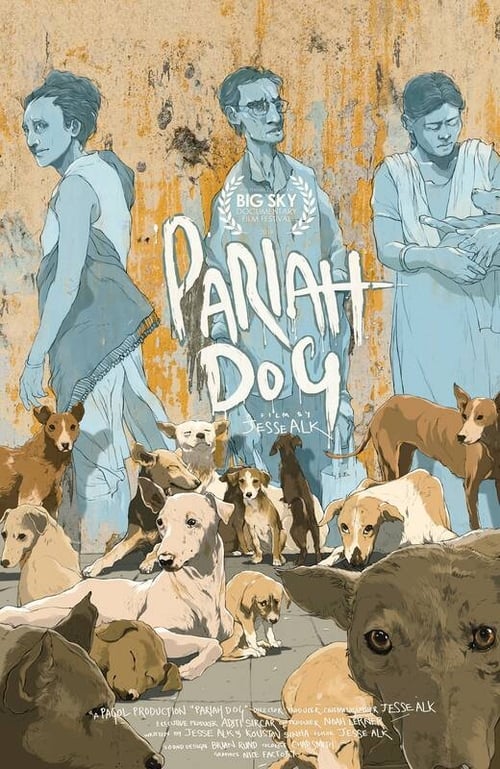
Shot over three years, Pariah Dog paints a kaleidoscopic picture of the city of Kolkata, seen through the prism of four outsiders and the dogs they love. These men and women have found meaning and purpose in their shared mission to care for neglected street dogs, who have existed in the towns and villages of India for thousands of years. For some this mission is enough, for others, dreams of a better life are always near.
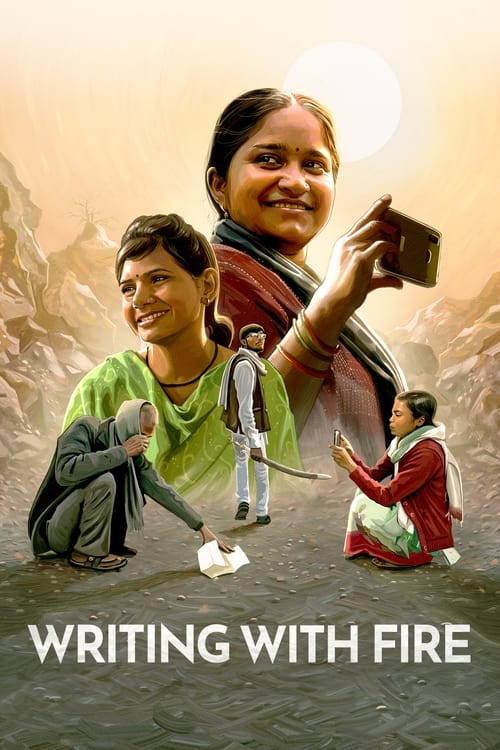
2021
In a cluttered news landscape dominated by men, emerges India’s only newspaper run by Dalit women. Armed with smartphones, Chief Reporter Meera and her journalists break traditions on the frontlines of India’s biggest issues and within the confines of their own homes, redefining what it means to be powerful.
1922
Lord Lytton takes up the post of Governor of Bengal.
Jhalana’s refuge, India's urban leopard habitat, is controlled by the strong and experienced Bahadur. But his dominance is being challenged – by his son, Rana! Once a quiet youngster, Rana has grown into an ambitious young male. But in the animal kingdom, power is not inherited – it is fought for with strength and persistence. Rana is not content with just securing his place; he wants more. To fulfill his ambitions, he forms a bond with one of his father's females, and what begins as a simple interaction soon turns into a powerful partnership. The aging Bahadur has held his territory for six years and will not tolerate his son's claim. Rana faces a decision: retreat or fight. But Rana follows his instincts.
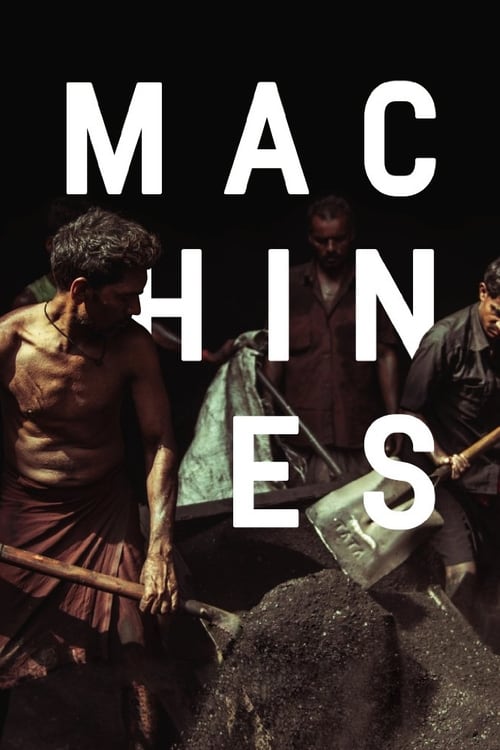
This portrayal of the rhythm of life and work in a gigantic textile factory in Gujarat, India, moves through the corridors and bowels of the enormously disorienting structure—taking the viewer on a journey of dehumanizing physical labor and intense hardship.