1909
A woman is shown various wallpaper samples, in a short displaying the Kinemacolour process
2025
Fantastic Flowers is a compilation of short silent films produced between 1906 and 1920, displaying amazing colours that were applied to each frame using the Pathécolor process, or other similar stencilling techniques. Bonsoir – La Fée aux fleurs (1906) / [Bloemenvelden Haarlem] (1909) / Les Chrysanthèmes (1907) / Le Chrysanthème, roi de l’automne (1914) / [Les Tulipes] (1907) / Les Fleurs dans les jardins (1914) / L’Après-midi d’une japonaise (1920) / The Beauty Thief ([1920]) / La Fée printemps (1906) / [Het schoonste uit de natuur] (1912?) / La Culture du dahlia (1911) / [Hollandse Tulpen en Klompen] (1920?) / Fabrication des fleurs artificielles (1911) / [Bonsoir tableau] (1906)
1914
Short silent film about a flower garden from 1914.
1919
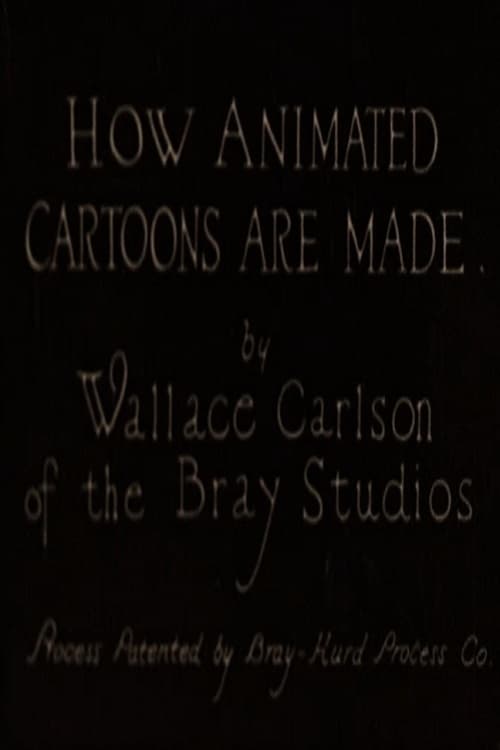
Wallace Carlson walks viewers through the production of an animated short at Bray Studios.
2011
The lives of Stan Laurel (1890-1965) and Oliver Hardy (1892-1957), on the screen and behind the curtain. The joy and the sadness, the success and the failure. The story of one of the best comic duos of all time: a lesson on how to make people laugh.
1904
Buster Brown creater R.F. Outcault sketches his creation. Part of the Buster Brown series for Edison film studio.
1922
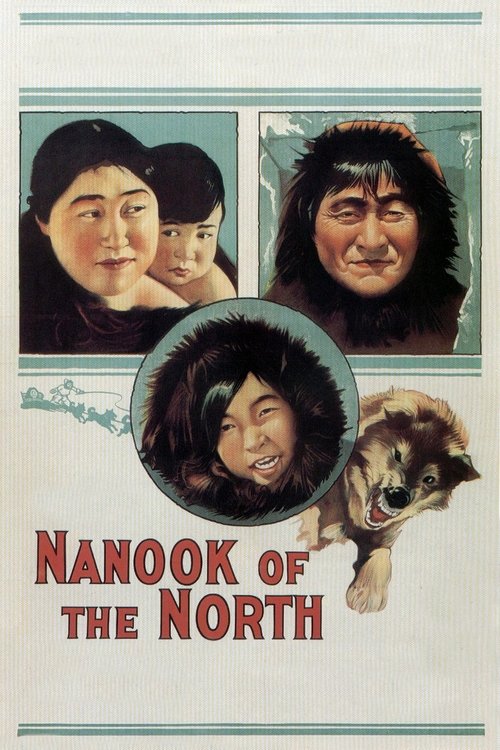
This pioneering documentary film depicts the lives of the indigenous Inuit people of Canada's northern Quebec region. Although the production contains some fictional elements, it vividly shows how its resourceful subjects survive in such a harsh climate, revealing how they construct their igloo homes and find food by hunting and fishing. The film also captures the beautiful, if unforgiving, frozen landscape of the Great White North, far removed from conventional civilization.
1927
A day in the city of Berlin, which experienced an industrial boom in the 1920s, and still provides an insight into the living and working conditions at that time. Germany had just recovered a little from the worst consequences of the First World War, the great economic crisis was still a few years away and Hitler was not yet an issue at the time.
1969
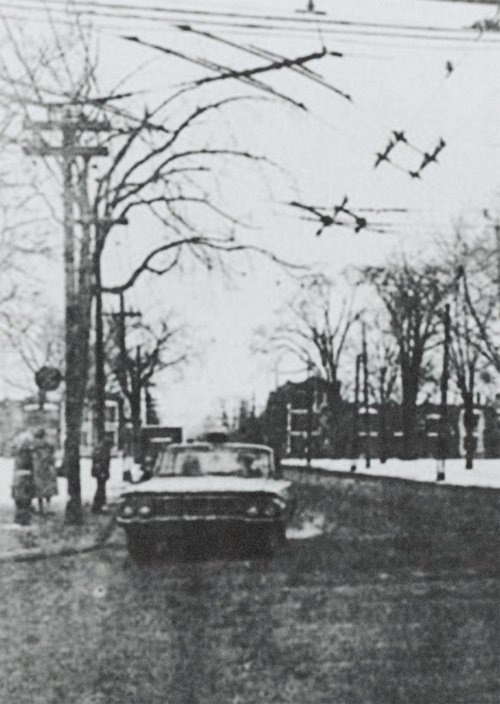
A silent succession of black-and-white photographs of the city of Montreal.
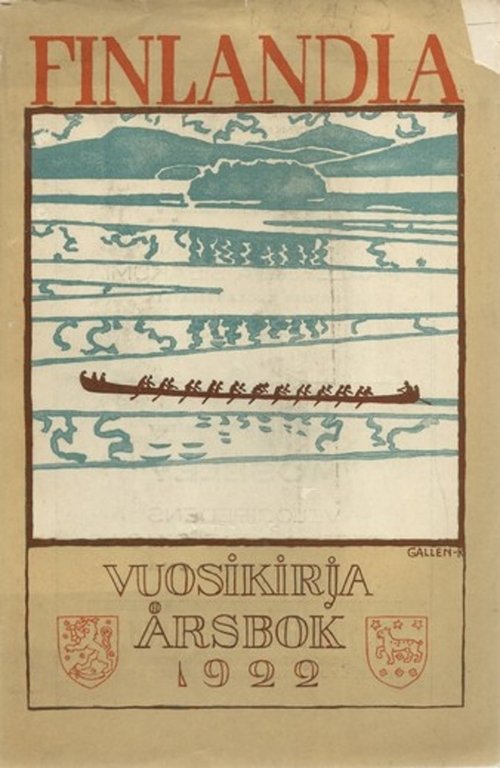
A documentary from Erkki Karu, one of the earliest pioneers of Finnish cinema: This government-produced propaganda film introduces the nature, sports, military, agriculture and capital of Finland.
1918
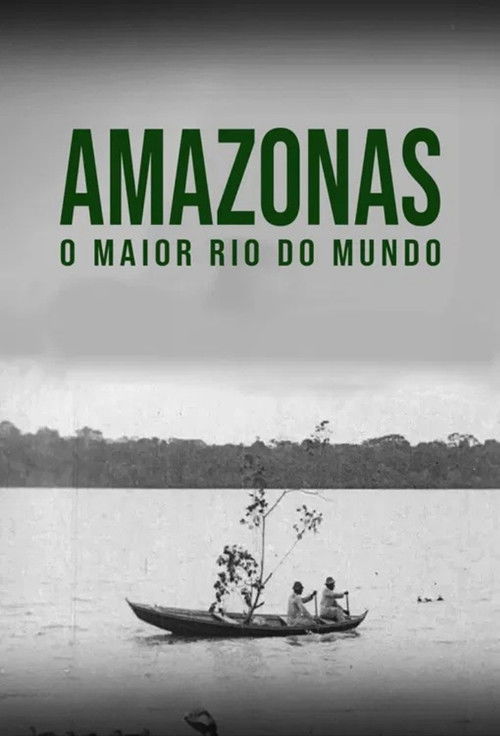
Documentary by Portuguese Silvino Santos, about the Amazon, its flora, fauna, its inhabitants and among other wonderful images from the beginning of the 20th century with alternating close-up shots of caimans, jaguars and tropical flora with footage of Indigenous rituals--including some of the earliest known moving images of the Indigenous Witoto people--and longer sequences showcasing the region’s extractive industries: rubber, the Brazil nut, timber, fishing, even the egret feathers that were a staple of women’s fashion at the time.
1930
This documentary shows how the Berliner workers lived in 1930. The director Slatan Dudow shows through images: a) the workers leaving the factory; b) the raise of the rents; c) the "unpleasant" guest, meaning the justice officer that brings the eviction notice; d) the fight of classes of the houses of capitalists and working classes; e) the parks of the working class; f) the houses of the working class, origin of the tuberculosis and the victims; g) the playground of the working class; h) the swimming pool for the working class, ironically called the "Baltic Sea" of the working class; i) the effects of humidity of basement where a family lives, with one member deaf; j) one working class family having dinner while the capitalist baths his dog; k) the eviction notice received from an unemployed family and their eviction.