2024
2021
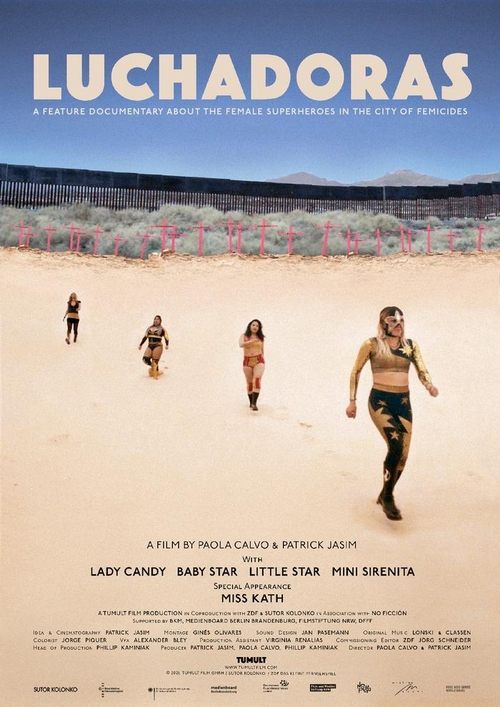
The courageous female wrestlers of Ciudad Juárez, a city known for its high murder rate against women - who fight in the ring and in their daily lives to redefine the image of what it means to be a woman in Mexico.
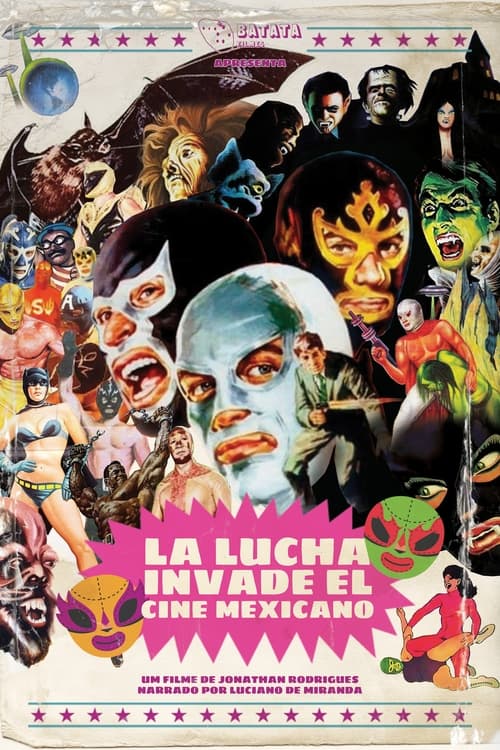
Lucha libre is part of Mexican culture, but how did something that was shown in circuses and fairs become a cinematic genre? Join us to learn about this trajectory.
2012
Directed by award-winning filmmaker Carlos Avila, this documentary program profiles three legendary wrestlers in a creative and imaginative exploration of the colorful, fascinating and mysterious world of lucha libre Mexican wrestling.
2017
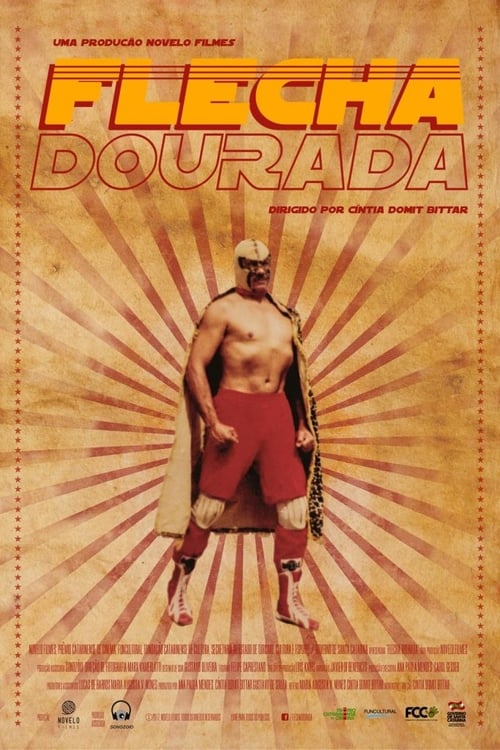
Between punches and jumps, the fighters of the team "Flecha Dourada" return to the ring after 50 years to relive the glorious era of wrestling in Santa Catarina, South of Brazil.
2013
The 70th anniversary of the birth of El Santo and the wrestling debut of his son mark the starting point for which El Hijo del Santo will take us into his story. His family history goes beyond the ring through personal memories and records, and brings us closer to his childhood with a father who had a double identity, to the discovery of the hero at home, and the reasons for wanting to continue this legacy.
1981
Documentary film by François Reichenbach of the lucha libre in Mexico. A study of the wrestling mania, in which he also delivers a portrait of life, politics and popular culture in Mexico
2015
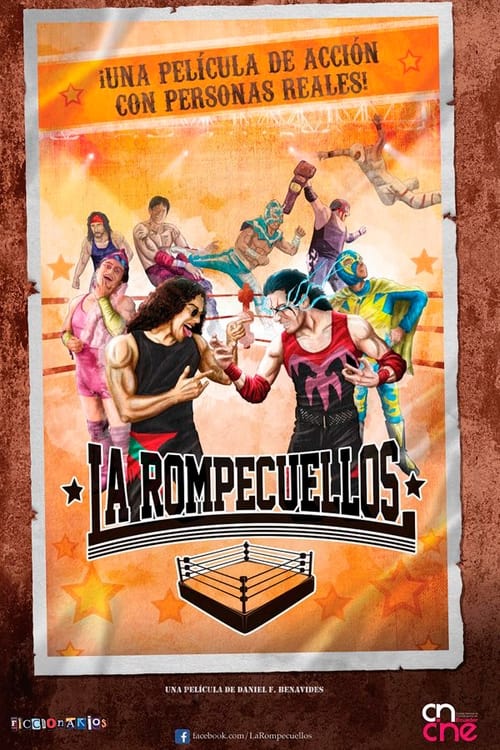
The extreme passion for Lucha Libre, leads a small group of Ecuadorian amateur wrestlers to face each other in a tournament to win a dream opportunity to fight in the Holy Land of Lucha Libre: Mexico.
2023
Kemonito, a beloved mascot of the Mexico World Wrestling Council, has suffered many injuries, but he can’t retire and lose his only means to support his family.
2022
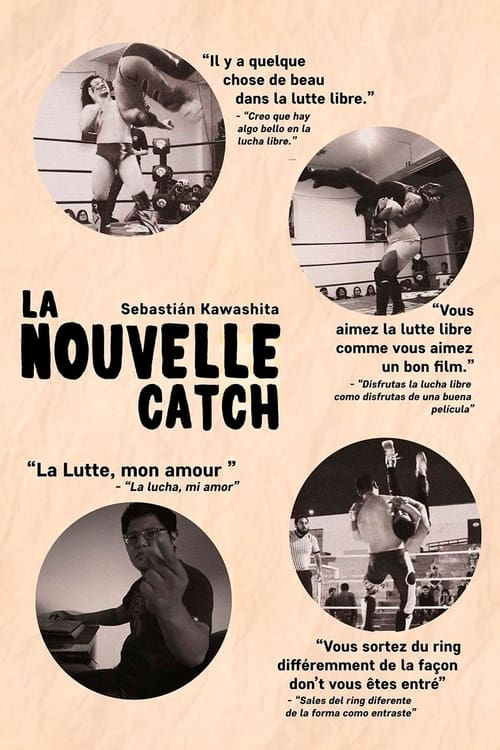
A young man from Lima faces anxiety and depression in the context of the COVID-19 pandemic while trying to carry out the most ambitious project of his life: an experimental documentary in the style of the French New Wave about Peruvian wrestling, in which which will condense more than a thousand hours of footage that he has been recording for 4 years. The political and health crises that the country is going through, the confinement and the ghosts typical of someone who suffers from emotional problems will make this work more difficult. So he will cling to the enormous passion he has for cinema and for this beautiful sport that has fascinated him since he was a child.
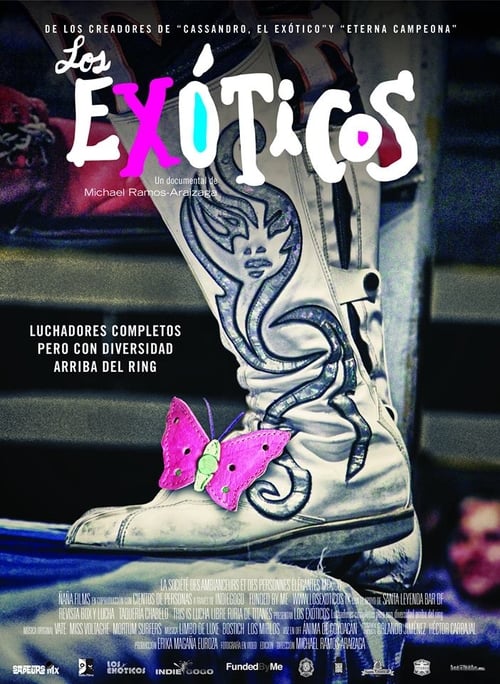
The documentary portrays the life and history of Mexican wrestlers who for various reasons have decided to participate in this contact sport characterizing exotic characters. The exotic refers to the strange, the mysterious, the weird, the unusual. Particularly in wrestling exotic style refers to refined athletes in their clothing, well groomed, with a very special walk, occasionally thin effeminate. Not rude, not technical, but not rare height or size, these mannered gladiators have represented a third option within the Mexican rings, some shamelessly displaying their sexual preference and thereby defying the homophobic, or secretly homophily, mood of the wrestling fans.
1983
Inspired by the life of Toluca-born boxer Ernesto Barrera, who became the national flyweight champion in 1960. It portrays the meteoric career, rapid rise, and tragic downfall of the fighter, from his impoverished childhood and early days in boxing to his death in 1983, brought about by alcoholism.