2019
As her adolescence gives way to the obligations of motherhood, troubled Gemma matures in Motherwell, her Scottish hometown, heavily dependent on the steel industry. Unfortunately for her, her hedonistic way of understanding the world does not fit in with the philosophy of the rest of the villagers, so trouble soon follows.
1989
In the same vein as Meri's other documentations, this one takes advantage of the glasnost policy to discuss the social and ecologic impact of the Russian oil industry on the natives and the lands they inhabit.
1967
In this wildly entertaining vision of one of the twentieth century’s greatest artists, Bob Dylan is surrounded by teen fans, gets into heated philosophical jousts with journalists, and kicks back with fellow musicians Joan Baez, Donovan, and Alan Price.
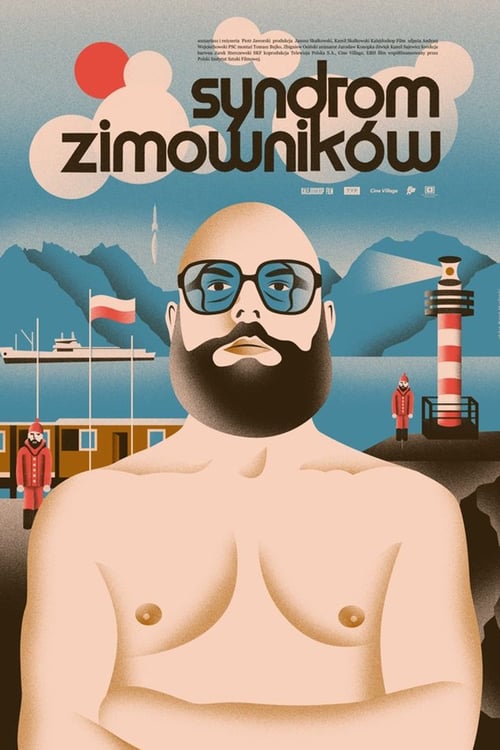
Does doctor Jan Terelak belong to an “elitist” group of the most unethical experimenters? The Polish scientist tested boundaries of human mental resilience in extreme conditions of solitude in Antarctica. The starting point for Piotr Jaworski's documentary is the psychologist's journal. The project from forty years ago was focused on studying the mental condition of polar explorers at the Polish station. Men were in the situation of confinement, comparable to a space mission. The film reconstructs these events, referring to the then contemporary context and changes in the perception of science.
2021
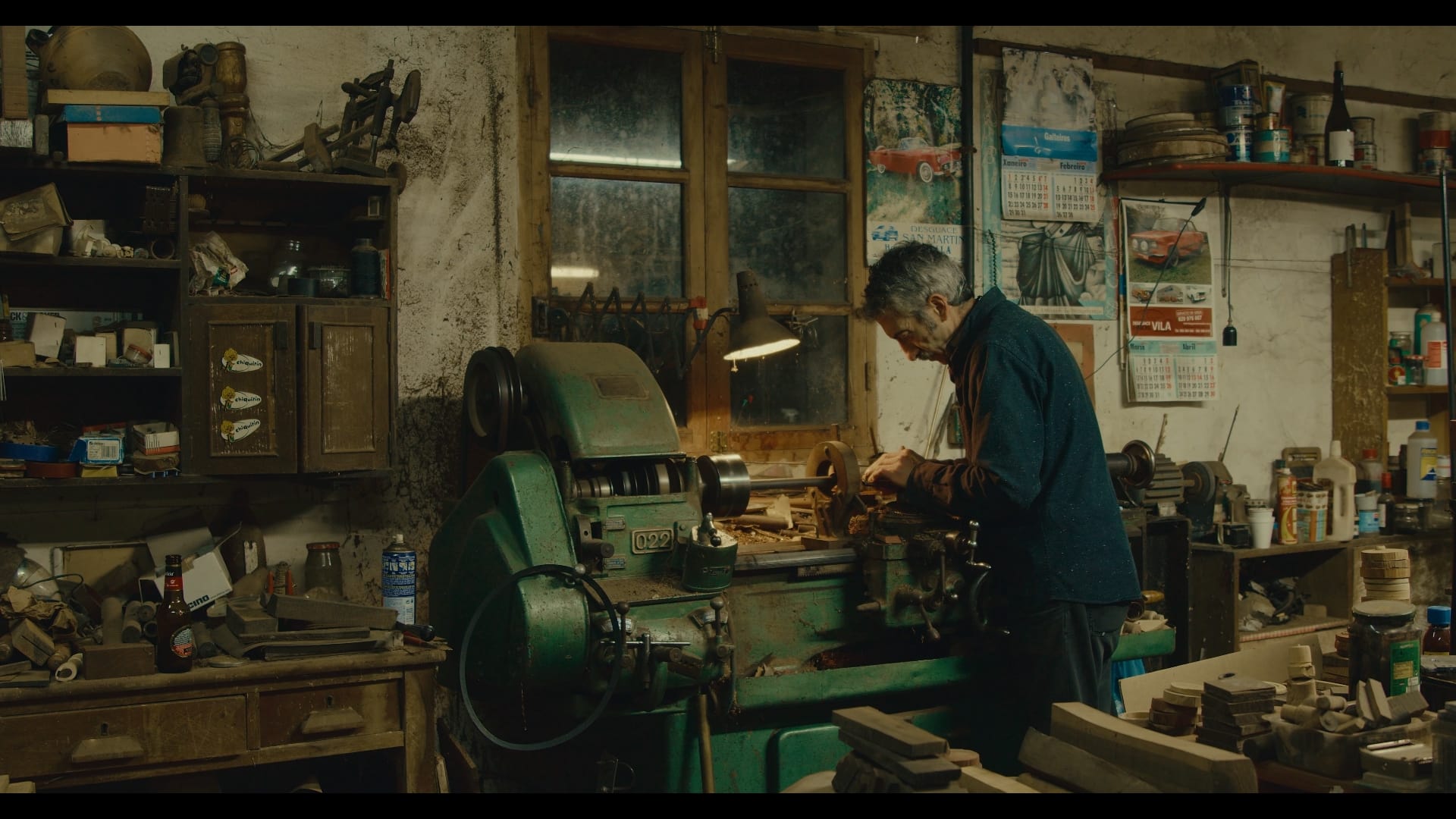
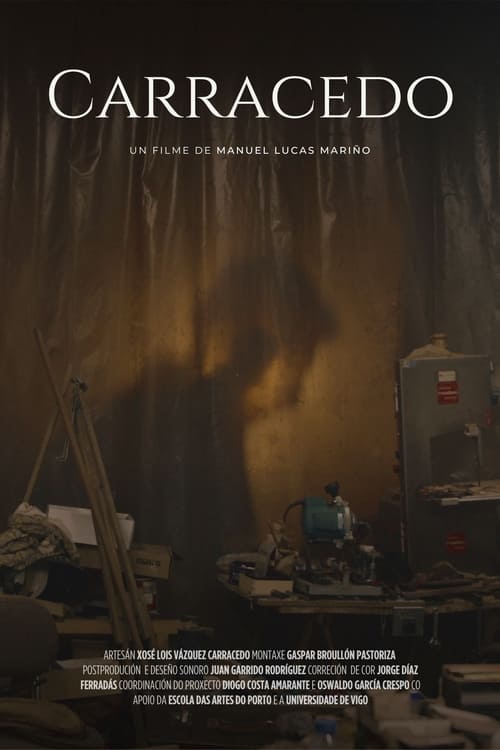
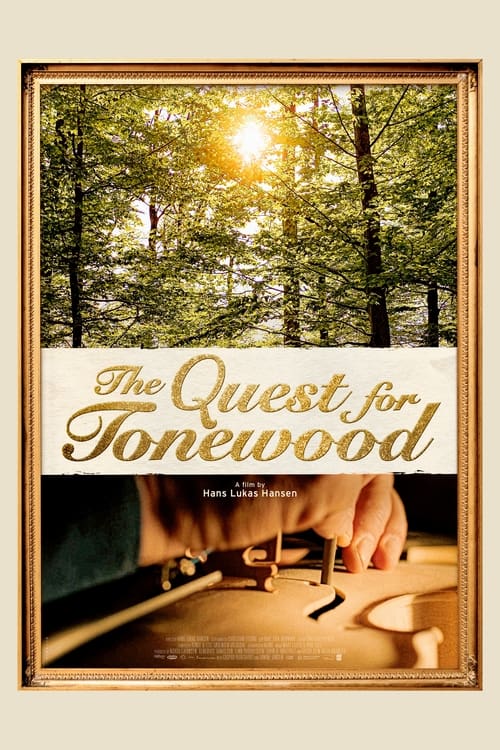
Gaspar, a luthier, wants to make a violin from the wood of a tree so rare that it may or may not exist anymore.
1977
This film documents the coal miners' strike against the Brookside Mine of the Eastover Mining Company in Harlan County, Kentucky in June, 1973. Eastover's refusal to sign a contract (when the miners joined with the United Mine Workers of America) led to the strike, which lasted more than a year and included violent battles between gun-toting company thugs/scabs and the picketing miners and their supportive women-folk. Director Barbara Kopple puts the strike into perspective by giving us some background on the historical plight of the miners and some history of the UMWA. Preserved by the Academy Film Archive in partnership with New York Women in Film & Television in 2004.
Unearth the story behind one of America's most iconic musical genres. This unforgettable documentary explores the artists, events and technology that led to the discovery of the first superstars of Country Music - Jimmie Rodgers and The Carter Family. Witness the groundbreaking field recording sessions of the early 1900s and explore the revolutionary technology that captured the raw, heartfelt sounds of a burgeoning musical movement. Meet the pioneering artists whose enduring talents and contributions have forever shaped the landscape of music history. Through rare archival photos and intimate interviews, uncover the stories and sounds that continue to resonate through generations. Don't miss this unforgettable exploration of country music's profound legacy and its indelible impact on the world.
1946
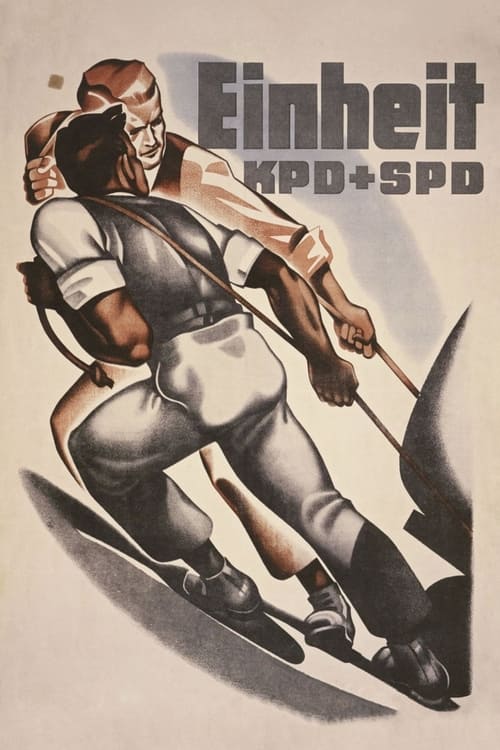
Documentary about the merging of the Communist Party of Germany and the Socialist Unity Party of Germany in the Soviet occupation zone, a merger that would lead to the creation of the Socialist Unity Party that would rule the soon-to-be-created East Germany until 1989.
2011
The documentary tells how, during the 1980s, a cultural phenomenon emerged and developed in Galicia that would eventually become known as the Movida Gallega.
1978
The summer of the Jubilee in 1977 was mentally dominated by another national anthem - "God Save the Queen" by The Sex Pistols. That same summer was also the summer of punk. Janet Street Porter Reviews The Year Of Punk, Featuring Early Classic Footage Of The Sex Pistols, The Clash, Siouxsie And Others.
2025
For the past seven years, every day, Sara has walked along the bus stops on General Osório Street in Pelotas, Brazil, selling candy to those waiting for their rides. Her constant presence on this street has earned her a kind of fame among the people traveling between the city center and its outskirts by public transport.
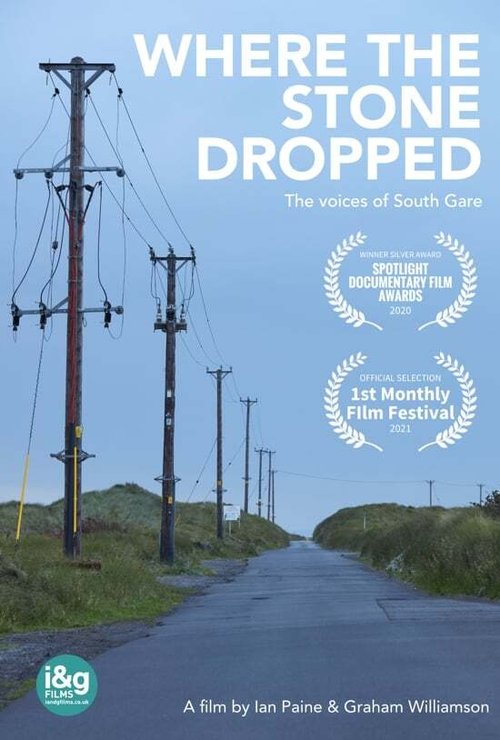
Created in the Victorian era to widen the mouth of the River Tees for shipping, South Gare is a man-made peninsula extending four kilometres into the cold North Sea. Today, the industry it was built for has gone, but the Gare remains as a haven for all sorts of unexpected communities - kite-surfers, photographers, bird-watchers, scuba-divers and the people who simply appreciate its strange, lonely beauty.