2024
It's December 16, 1972, 50 years ago. The first social cooperative in the world is born in Trieste. It was formed by 28 people: two sociologists, two psychologists, five nurses, a healthcare assistant, two doctors and sixteen private individuals who all have the same residential address: via San Cilino 16, Trieste. They are interned in a psychiatric hospital and therefore have no civil and political rights: they cannot vote, marry or make a will. Imagine founding a cooperative. Thus the Court of Trieste rejected the request to establish the cooperative. It would have been a long march through the institutions.
2019
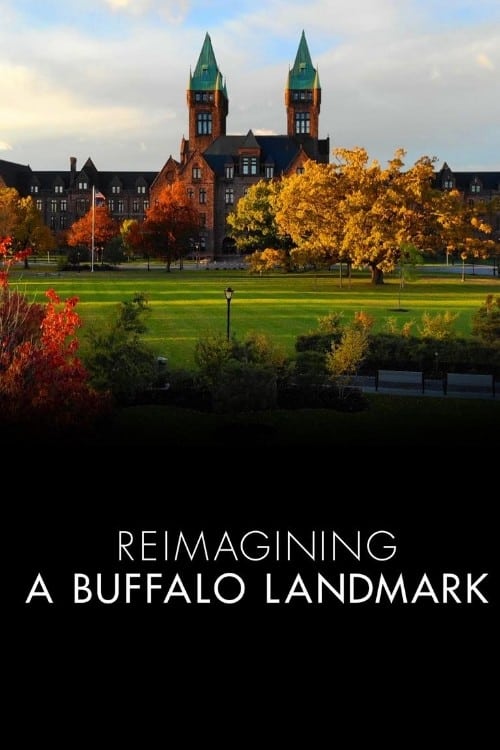
The Richardson Olmsted Campus, a former psychiatric center and National Historic Landmark, is seeing new life as it undergoes restoration and adaptation to a modern use.
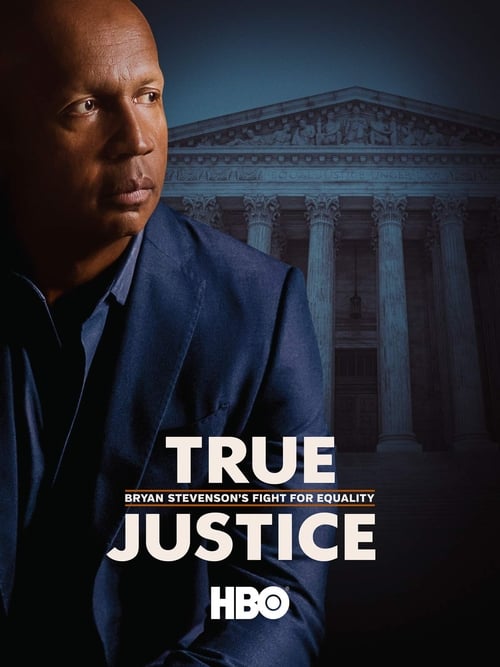
An intimate portrait of Alabama public interest attorney Bryan Stevenson, founder and executive director of the Equal Justice Initiative, who for more than three decades has advocated on behalf of the poor, the incarcerated and the condemned, seeking to eradicate racial discrimination in the criminal justice system.
2012
This documentary recounts the dysfunctional state of the death penalty in the state of California by revisiting the crimes, arrest, trials and appeals of Lawrence Bittaker, a convicted serial killer who has been on death row at San Quentin since 1981.
2023
The Tŝilhqot’in Nation is represented by six communities in the stunningly beautiful interior of British Columbia. Surrounded by mountains and rivers, the Tŝilhqot’in People have cared for this territory for millennia. With increasing external pressures from natural-resource extraction companies, the communities mobilized in the early 21st century to assert their rightful title to their lands. Following a decision by the Supreme Court of British Columbia in 2007 that only partially acknowledged their claim, the Tŝilhqot’in Nation’s plight was heard in the Supreme Court of Canada. In a historic decision in 2014, the country’s highest court ruled what the Tŝilhqot’in have long asserted: that they alone have full title to their homelands.
2017
Though both the historical and modern-day persecution of Armenians and other Christians is relatively uncovered in the mainstream media and not on the radar of many average Americans, it is a subject that has gotten far more attention in recent years.
2013
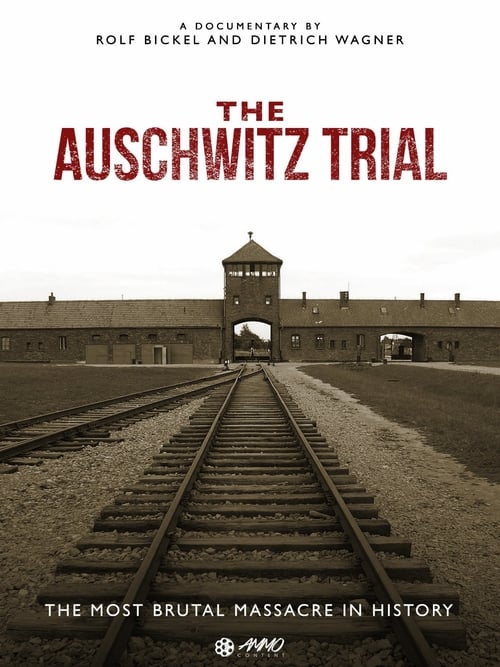
The biggest trial of Nazi war crimes ever: 360 witnesses in 183 days of trial - a stunning and gripping portrayal of the most terrible massacre in history.
2001
2009
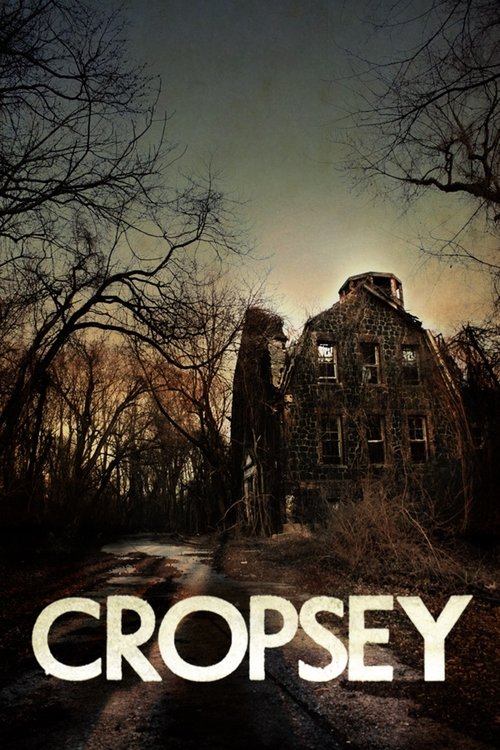
Realizing the urban legend of their youth has actually come true, two filmmakers delve into the mystery surrounding five missing children and the real-life boogeyman linked to their disappearances.
2015
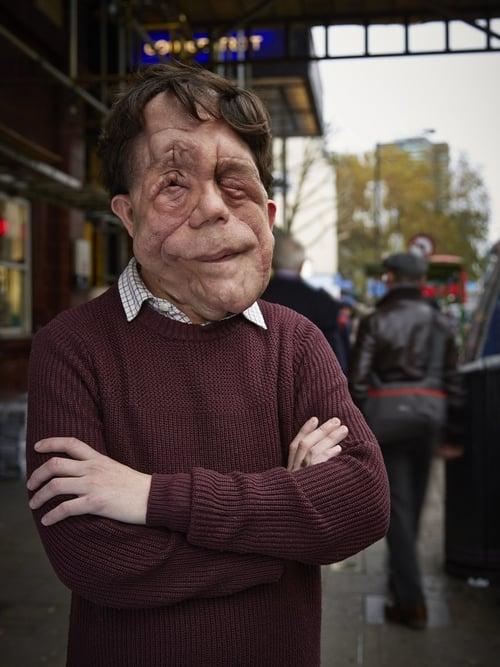
Adam Pearson - who has neurofibromatosis type 1 - is on a mission to explore disability hate crime: to find out why it goes under-reported, under-recorded and under people's radar.
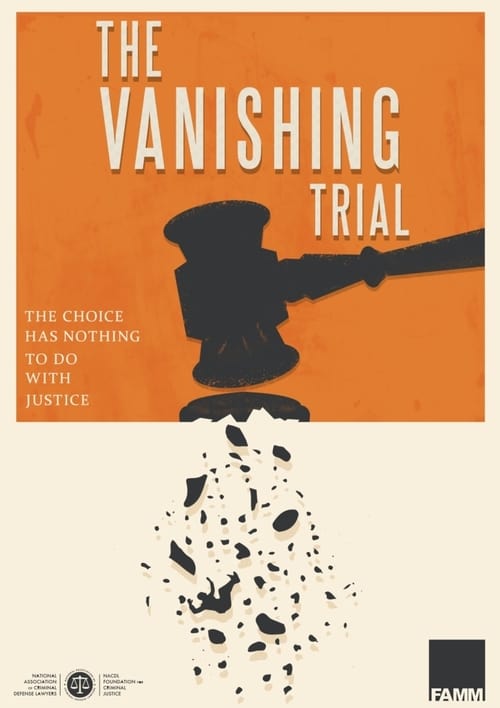
“The Vanishing Trial” looks into “trial penalty,” the term used to describe the substantially longer prison sentence a person receives if they exercise their constitutional right to trial instead of plead guilty. The documentary focuses on four individuals who were forced to make that excruciating choice.
2026
In Russia, criticizing the war in Ukraine or Vladimir Putin’s regime has become a crime. Thousands of ordinary citizens are being arrested, tried, and imprisoned. They are called “Politzek”: political prisoners. Filmed clandestinely over the course of more than a year, Politzek gives a platform to those who, despite the fear, continue to speak out against Putin’s repressive Russia. Through the intersecting stories of a teenager sentenced to five years in prison for criticizing the government on social media, a young artist jailed for placing anti-war stickers, a human rights activist, and two theater directors facing Kafkaesque trials, the film unveils the machinery of state repression in Russia. With rare footage, broken yet unyielding voices, this is a story of silenced resistance.