1989
The Polish city of Łódź was under Nazi occupation for nearly the entirety of WWII. The segregation of the Jewish population into the ghetto, and the subsequent horrors are vividly chronicled via newsreels and photographs. The narration is taken almost entirely from journals and diaries of those who lived–and died–through the course of the occupation, with the number of different narrators diminishing as the film progresses, symbolic of the death of each narrator.
2023
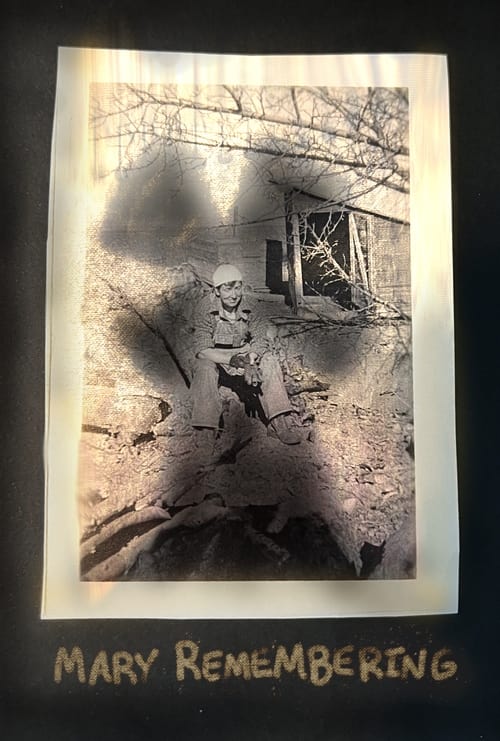
A short animated documentary featuring archival recordings of the filmmaker's Volga-German Great-Great-Grandmother, Mary Frank Lind, in which she recalls key memories of childhood—her father's windmill, warm rains, wolf sightings, bone trading, and her passion for carpentry, which broke gender norms but was supported by her father.
2013
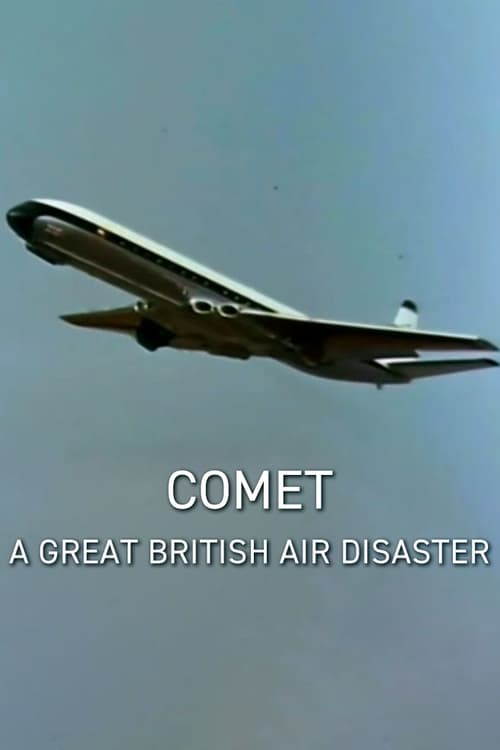
The De Havilland Comet was the world's first passenger jet airliner. But less than two years into service, two aircraft blew up in mid-air, killing all aboard. PM Winston Churchill ordered an assemblage of experts to discover what went wrong - in the process, inventing many of the air crash investigation techniques still used today.
2007
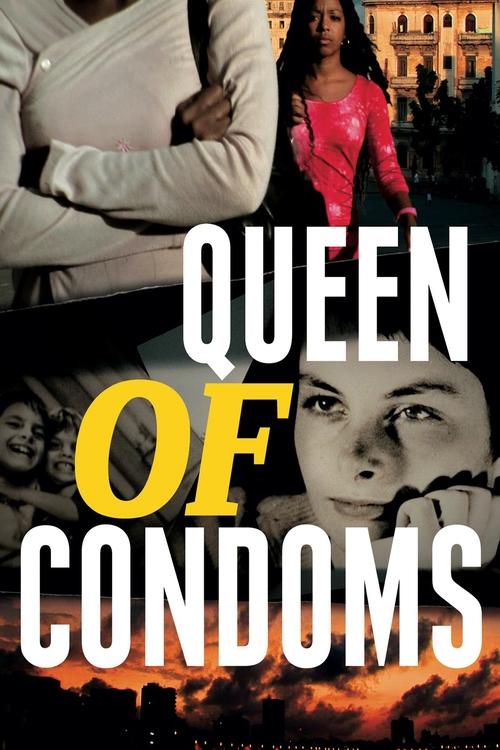
Ceschi and Stamm's documentary tells the incredible story of Monika Krause, a former East German citizen, who became Fidel Castro's Sexual Education Minister. After 20 years in Cuba, Krause set the Cuban sexual revolution in motion: in favor of a woman's right to sexual fulfillment and legal abortion, and against exclusion of homosexuals, she acquired the title "Queen of Condoms". A film about potent female agitators, staunch macho men and Caribbean love lives.
2014
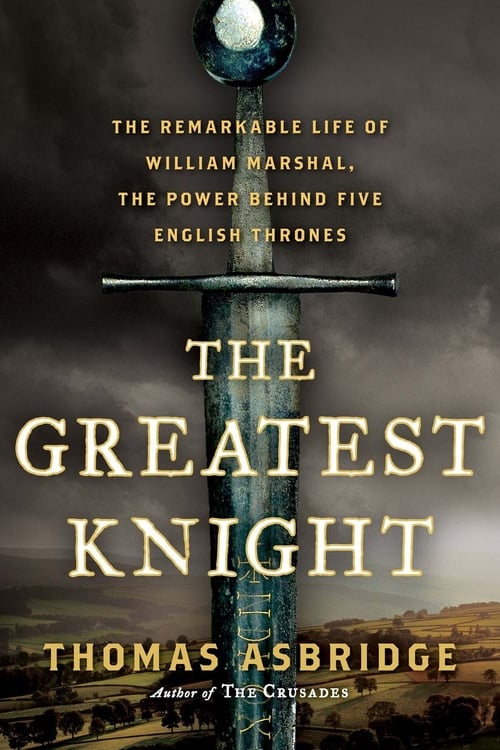
The fascinating story of knighthood, told through the extraordinary life and times of William Marshal, whom many consider the world's greatest knight. From Europe's medieval castles to the holy city of Jerusalem, presenter Thomas Asbridge explores William's incredible life, revealing a rip-roaring adventure story in the spirit of King Arthur's Knights of the Round Table. In a career that spanned half a century, this English soldier and statesman served some of Christendom's greatest leaders, from Eleanor of Aquitaine to Richard the Lionheart. Marshal fought in battles across Europe, survived court intrigue and exile, put his seal to the Magna Carta and proved to be the best friend a king could have, remaining loyal to those he served through disaster and victory. Then at the age of 70, despite all the odds, he saved England from a French invasion.
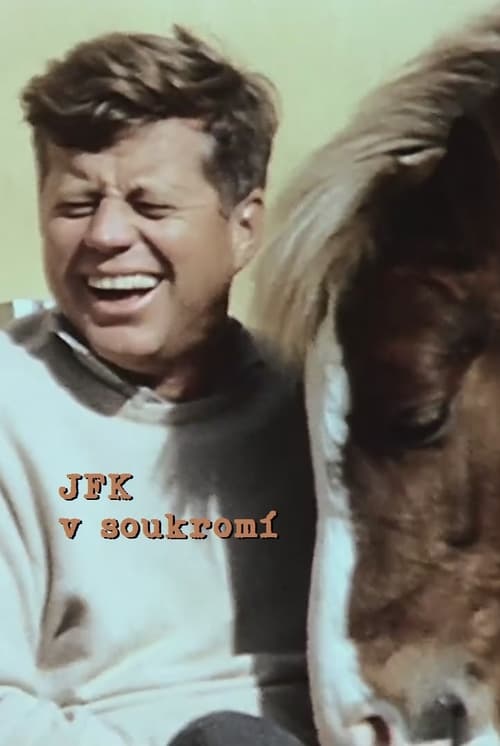
In January 1961, a new generation in the guise of John F. Kennedy moved into the White House. All of a sudden politics were youthful, dynamic and sexy. During the brief period in which he was in office, the first pop star of politics accompanied America through the darkest days of the Cold War. At the same time, his signal to embark in new directions was eagerly welcomed by younger generations all around the world. Later on, Jackie Kennedy was to compare his presidency with Camelot - the legendary court of King Arthur. Yet, there were also dark sides to this popular president's life.
2017
2016
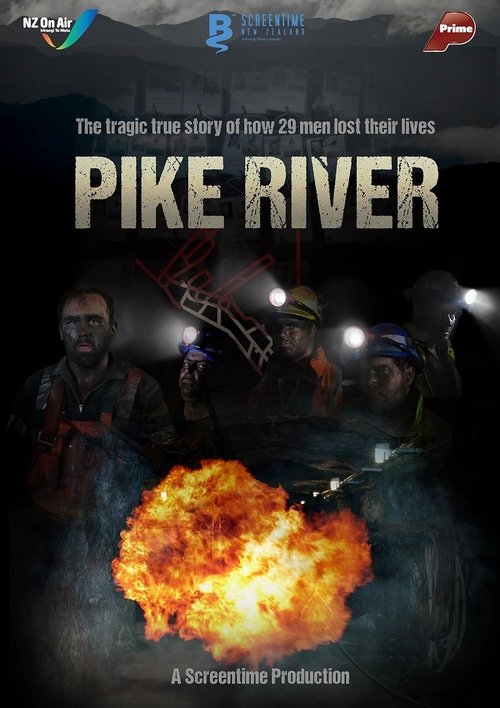
On the 19th of November 2010, the Pike River mine exploded with 31 men trapped inside. In the immediate confusion that followed no one knew what had happened. Within hours two men would manage a heroic escape but 29 remained unaccounted for. Over five days the men’s families and loved ones waited, hoping they would come out alive. Then two further explosions sealed the men’s fate. However, the fuse that would eventually snuff out so many lives was lit decades before. Set in the drama of the five days between the three explosions, Pike River reveals the tragic back story of the mine where pressure for profits would eventually contribute to the deaths of 29 men. Featuring interviews with the Pike River families and scripted drama to depict key events.
1895
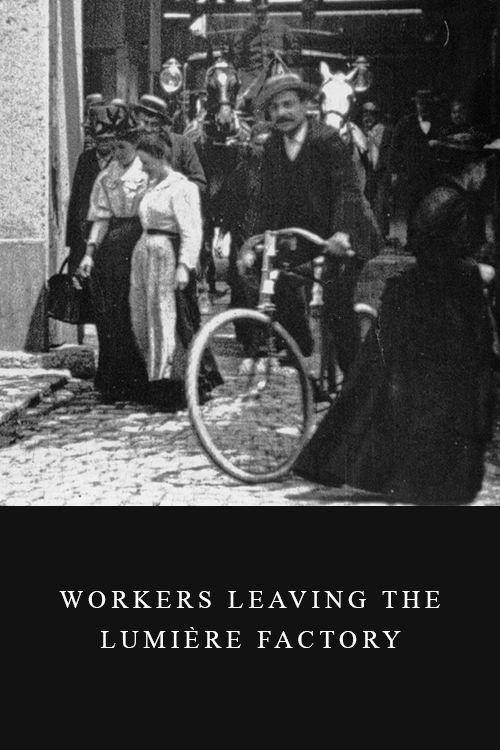
Working men and women leave through the main gate of the Lumière factory in Lyon, France. Filmed on 22 March 1895, it is often referred to as the first real motion picture ever made, although Louis Le Prince's 1888 Roundhay Garden Scene pre-dated it by seven years. Three separate versions of this film exist, which differ from one another in numerous ways. The first version features a carriage drawn by one horse, while in the second version the carriage is drawn by two horses, and there is no carriage at all in the third version. The clothing style is also different between the three versions, demonstrating the different seasons in which each was filmed. This film was made in the 35 mm format with an aspect ratio of 1.33:1, and at a speed of 16 frames per second. At that rate, the 17 meters of film length provided a duration of 46 seconds, holding a total of 800 frames.
2019
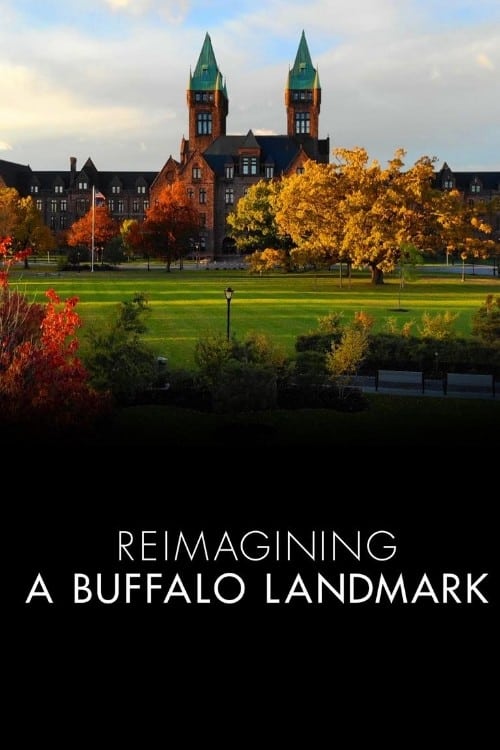
The Richardson Olmsted Campus, a former psychiatric center and National Historic Landmark, is seeing new life as it undergoes restoration and adaptation to a modern use.
1888
The earliest surviving motion-picture film, and believed to be one of the very first moving images ever created, was shot by Louis Aimé Augustin Le Prince using the LPCCP Type-1 MkII single-lens camera. It was taken on paper-based photographic film in the garden of Oakwood Grange, the Whitley family house in Roundhay, Leeds, West Riding of Yorkshire (UK), on 14 October 1888. The film shows Adolphe Le Prince (Le Prince’s son), Mrs. Sarah Whitley (Le Prince’s mother-in-law), Joseph Whitley, and Miss Harriet Hartley walking around in circles, laughing to themselves, and staying within the area framed by the camera. Roundhay Garden Scene is often associated with a recording speed of around 12 frames per second and runs for about 2 to 3 seconds.
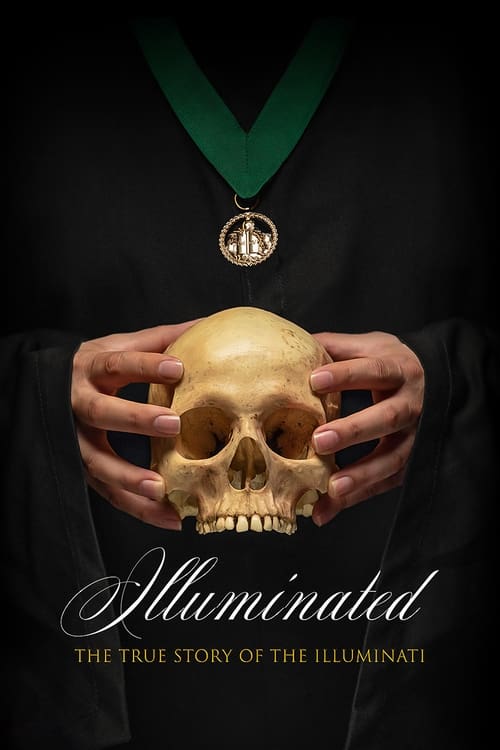
The true historical account of the Illuminati, exposing the actual rituals of the secret society, and answering the age-old question of whether or not the order still exists.