2023
In 1995, an astronomer proposed a peculiar project. It was to use the Hubble Telescope to capture a small part of the universe that was then known to be a void. In 1447 in Chosun Dynasty, Prince Anpyeong had a dream of walking through a peach blossom forest shrouded in clouds and mist, and he asked the painter, Ahn Gyeon, to capture it in a painting. Through the juxtaposition of the two historical anecdotes, the film examines the images of ‘the far and near’ through printing, transforming, and distorting the photos from the NASA Image and Video Library.
2025
A new exploration of familiar places located in the region of Rhône and Isère throught an reinvention of digital nuances, a study of perceptions and fluidity around the nature of motion in landscapes and human interactions.
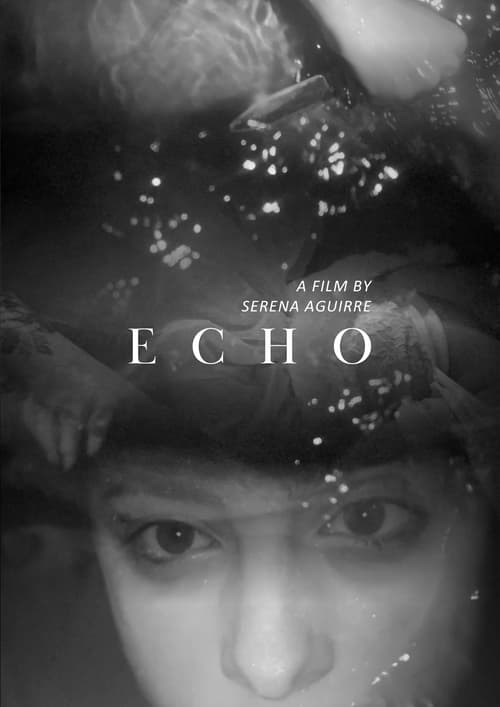
A reframing of the classic tale of Narcissus, the director draws on snippets of conversation with a trusted friend to muse on gender and identity. Just as shimmers are difficult to grasp as knowable entities, so does the concept of a gendered self feel unknowable except through reflection. Is it Narcissus that Echo truly longs for, or simply the Knowing he possesses when gazing upon himself?
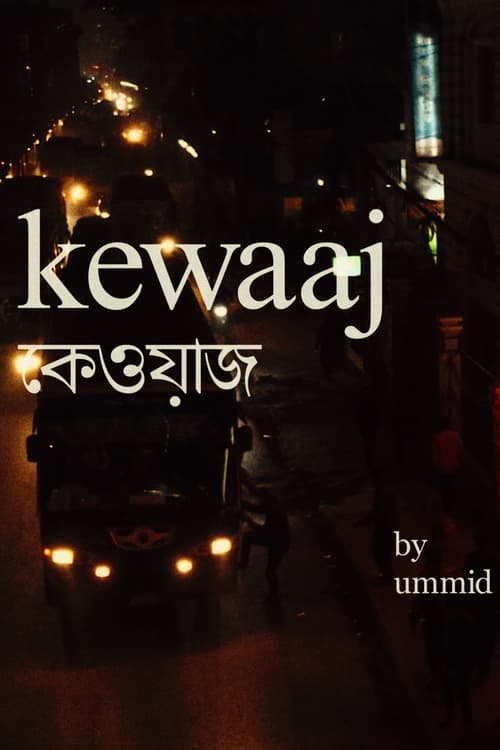
The word kewaaj (কেওয়াজ) is colloquially used to explain chaos, noisiness or annoyance. "Kewaaj" is an audiovisual attempt to give you a glimpse into how the people of Dhaka function in one of the most unliveable cities, according to the Global Liveability Index.
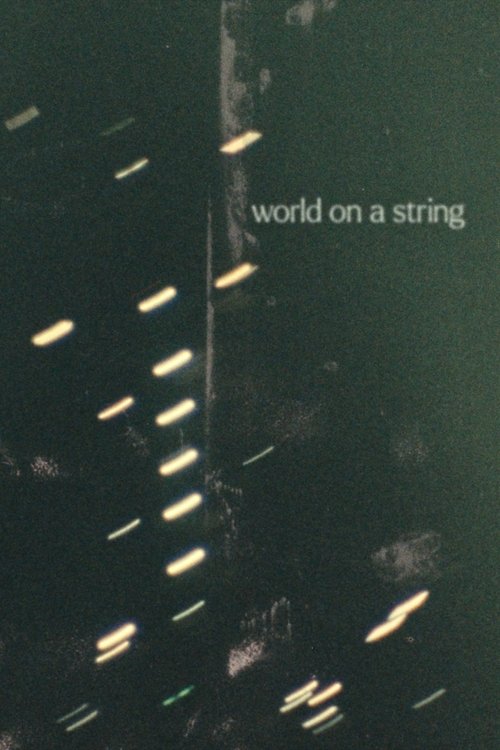
A ferry drifts along the Weser. Slow 16mm images of boats, railings, industrial shores, and cranes—scarred and clouded by the river itself, hand-processed with its water, marked by sediment and rust—dissolve into Annina Mossoni’s text: some people want the world on a string.
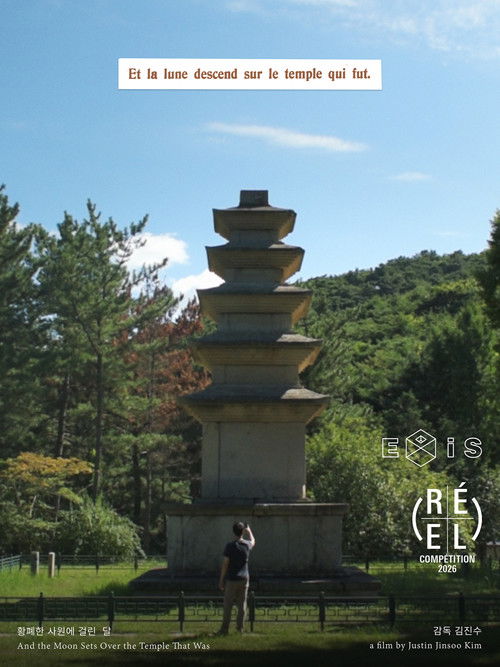
The camera sets out on a journey to find the headless Buddha statues scattered across Namsan Mountain in Gyeongju. What has disappeared, who caused it to vanish, and how has it been recorded? People stroll along the river, the sea, and mountain paths, taking photographs, where images from the past and the desire for excavation overlap.
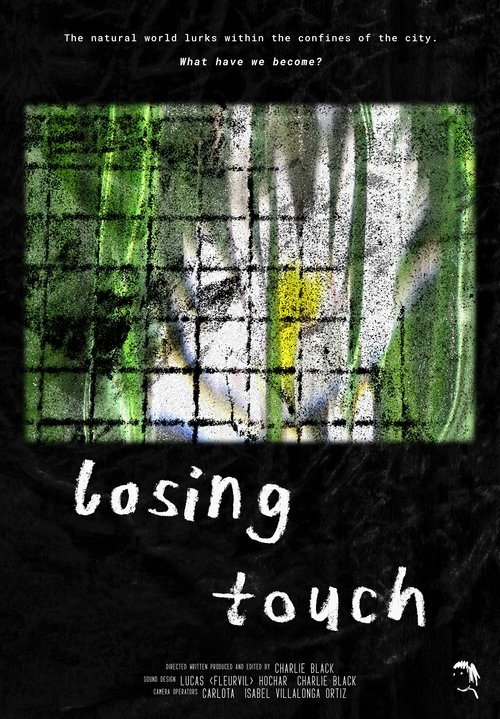
Searching for life in daily rituals, Losing Touch undertakes a shift in perception and presents the city as an ugly yet ecologically rich landscape. The film depicts the internal dialogue on coping with the grief and fear of ecological degradation, using the local streets of Berlin as a means to materialise and confront these emotions. As both the body and mind begin to wander, encounters with the landscape over a 24 hour period are transformed into an overstimulating and emotionally charged journey. Camcorder footage, film developed in beer and cyanotype create sensational and playful depictions of the surroundings, joining the rats scurrying on the ground and fleeing the night lights with the moths. Creatures of metal and flesh interact within and between the frames, coming together as an ugly yet vibrant community. Subverting the nature-culture dichotomy, a new image of nature is formed, not only as a romantic, distant place, but rather a dirty, omnipresent force.
2024
A trip that the author makes to a distant beach trying to find the place where his grandfather made a painting years ago.
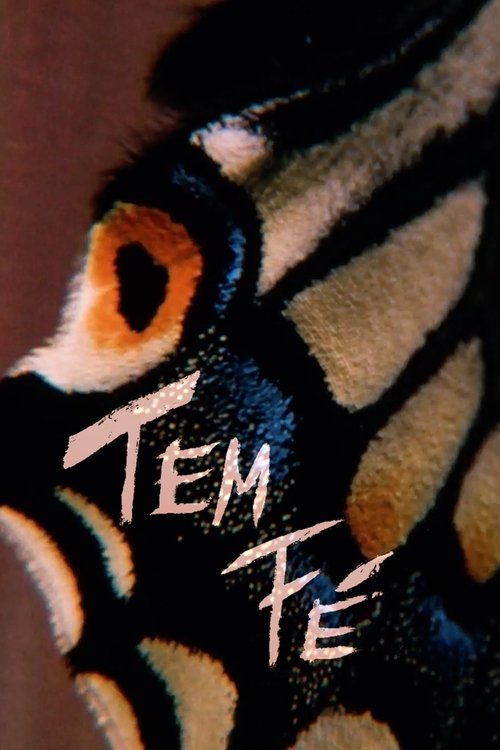
Set against a vibrant tapestry of music and movement, Tem Fé poetically explores female energy, resilience, and ancestral roots. Through striking visuals and soundscapes, the film celebrates the strength of women and their spiritual bond across generations.
A disorienting realm where reality itself flickers and fragments. Through a visceral exploration of digital distortion and failing verification processes, this challenges your perception and dares you to question what lies beneath the surface. Are we truly awake to the genocides and wars raging beyond our privileged bubbles, or are we content to remain ensnared by manipulated realities? This is a personal call to shatter the illusions, to seek deeper truths, and to recognize the profound fortune of our existence amidst global turmoil.
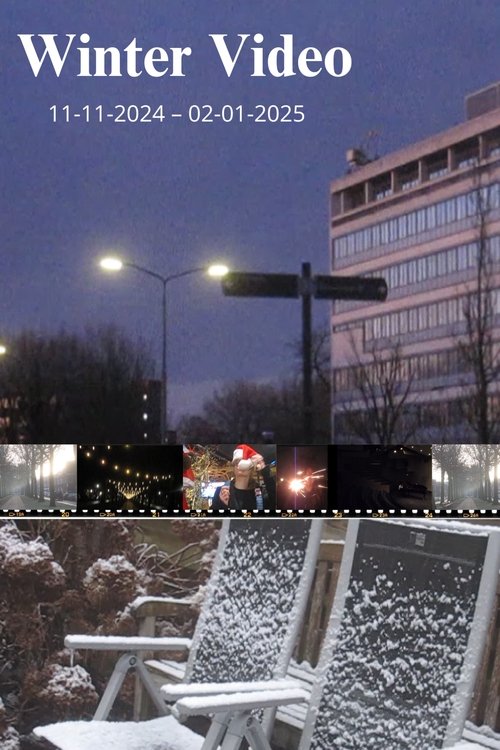
A collection of personal footage from the end of 2024. A mix of private holiday scenes and cold city cinematography, in differing video quality. You can see it as a creative video diary.
The film conducts an elusive search for the traces of Lee Kyung Soo, a Korean War orphan adopted by a U.S. Navy officer. Lee’s image circulated widely across newspapers, magazines, and photographs—serving specific purposes and cultural narratives. Over time, these representations fractured, faded, and reemerged, leaving silences in the archive and gaps in visibility. The cut-out fragments from the scattered information are pieced together to imagine the child’s unspoken point of view throughout his wandering life.