2023
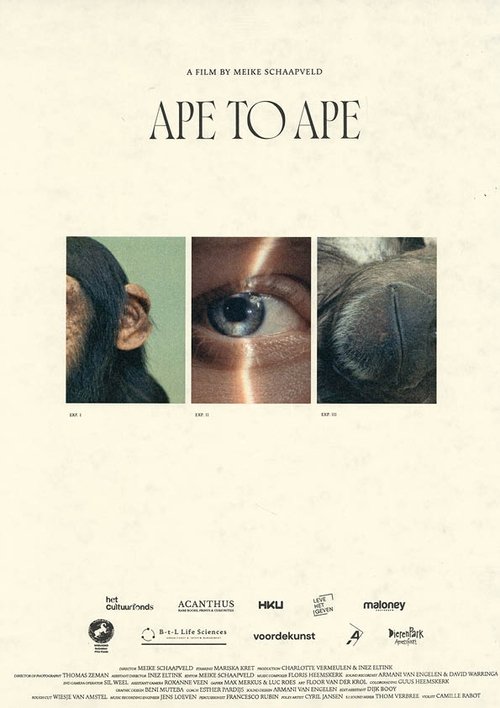
Cormac McCarthy has spent the last 25 years writing his novels at the mountain top retreat of the Santa Fe Institute (SFI) in New Mexico. An institute dedicated to the formal analysis of complex systems. In this documentary filmed at the library at SFI (and in the desert), Cormac in conversation with his colleague David Krakauer, reflects on isolation, mathematics, character, and the nature of the unconscious
2021
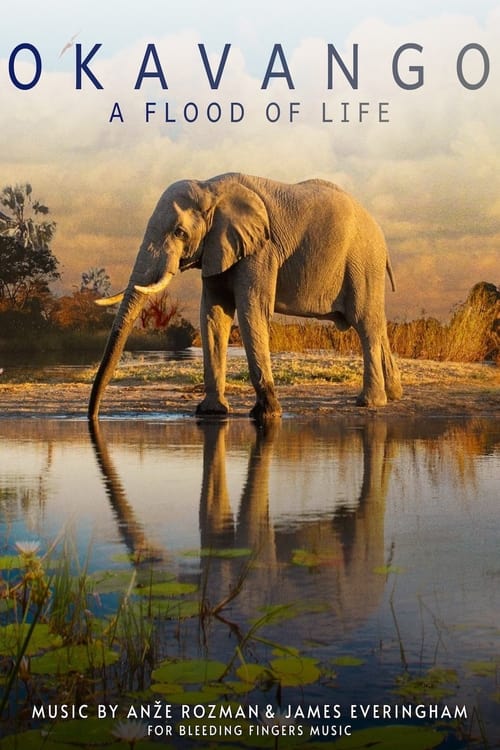
A great flood arrives in a desert kingdom, transforming a dustbowl into a vast and lush wetland, in one of the most diverse habitats on earth. This breath-taking blue-chip natural history film is a journey through Okavango’s seasons, seen through the eyes of an indigenous River Bushman. Our storyteller guides us through the course of Okavango’s flood and into a savage drought, interweaving intimate and spectacular wildlife stories. The arrival and disappearance of precious water determines the destiny of the millions of animals that call Okavango home. For many, the flood is a lifeline. For others, it brings the greatest challenges. Everyone lives or dies by this epic event. It is the heartbeat of the Kalahari.
1988
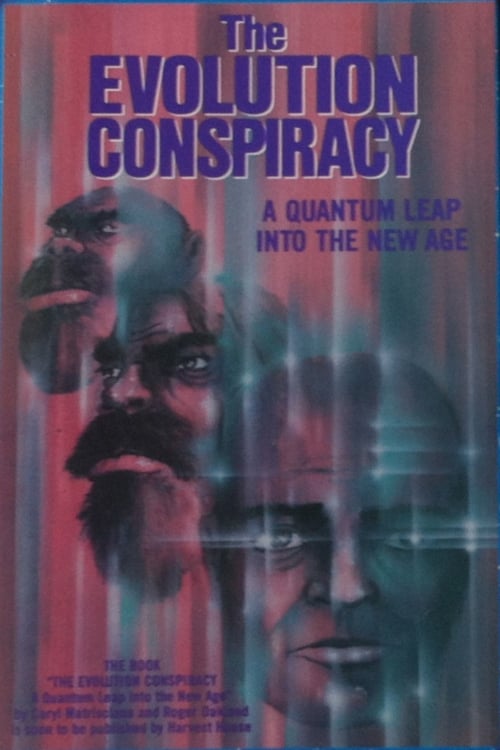
Unmasks fraudulent cover-ups, wild speculations, and deceitful myths that have been presented as the absolute "facts" of evolution. Should evolutionism, the foundational faith of eastern mystical thought, be taught in schools as science, when Creationism, the foundational belief of Judeo-Christianity, has been expelled?
1998
Understanding mankind's true origin is essential in determining one's final destiny. This visually rich, full production presents conclusive evidence that the universe and all life were created. In addition, scientific foreknowledge found only in the Bible reveals that the God of the Bible is the Creator. A Question of Origins is essential viewing for anyone who has questions or doubts concerning the scientific accuracy of the Word of God. A great witnessing tool intended for our current generation.
2007
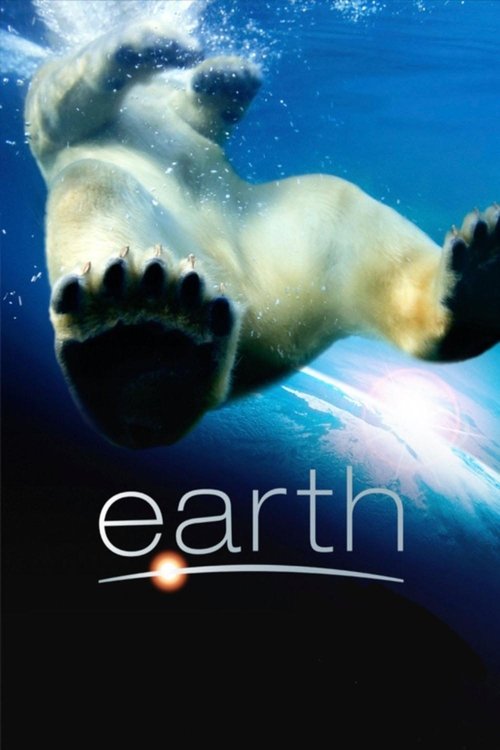
An epic story of adventure, starring some of the most magnificent and courageous creatures alive, awaits you in EARTH. Disneynature brings you a remarkable story of three animal families on a journey across our planet – polar bears, elephants and humpback whales.
2011
Sniper: Bulletproof deconstructs and analyzes the little-known sniper events that have occurred when no other course of action was possible. The people who planned the takedowns, or pulled the trigger, share their techniques and bring to light the many factors that had to be considered in each mission: terrain, wind speed, temperature, elevation changes... all are critical to taking out targets considered bulletproof. A sniper has one chance, one breath, to rise to the occasion and save the day... if they miss, there may never be another opportunity. As these never told before stories unfold, the viewer also learns about the high-tech gear each sniper carries on their classified missions.
1956
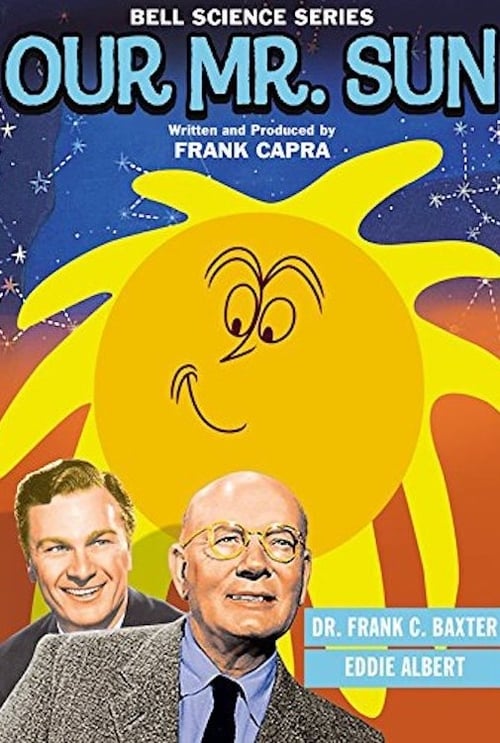
One entry in a series of films produced to make science accessible to the masses—especially children—this film describes the sun in scientific but entertaining terms.
1996
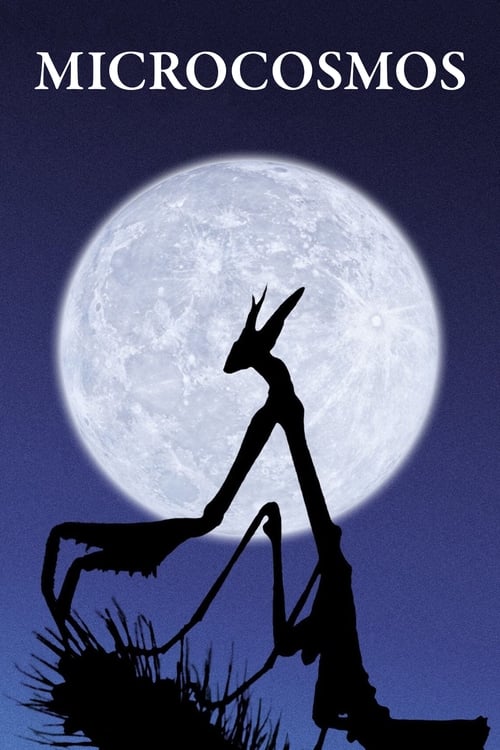
A documentary of insect life in meadows and ponds, using incredible close-ups, slow motion, and time-lapse photography. It includes bees collecting nectar, ladybugs eating mites, snails mating, spiders wrapping their catch, a scarab beetle relentlessly pushing its ball of dung uphill, endless lines of caterpillars, an underwater spider creating an air bubble to live in, and a mosquito hatching.
2010
The documentary depicts the birth of eugenics - a pseudo-science created in the 19th century that propounded the theory of perfecting the human race. According to the views of eugenicists, only healthy and creative individuals should reproduce. The film shows how these controversial ideas influenced the intellectual and political elite of the West in the 20th century, including the dictator of the Third Reich, Adolf Hitler. Eugenics is a pseudoscience created in the 19th century and treating the improvement of the human race. According to eugenicists, only healthy and creative individuals could procreate, and the procreation of the sick or disabled and racially unworthy (prostitutes, the poor, beggars) should be forbidden. The author of the film posits that modern genetics, the killing of unborn children and euthanasia have their roots in this infamous pseudoscience.
2006
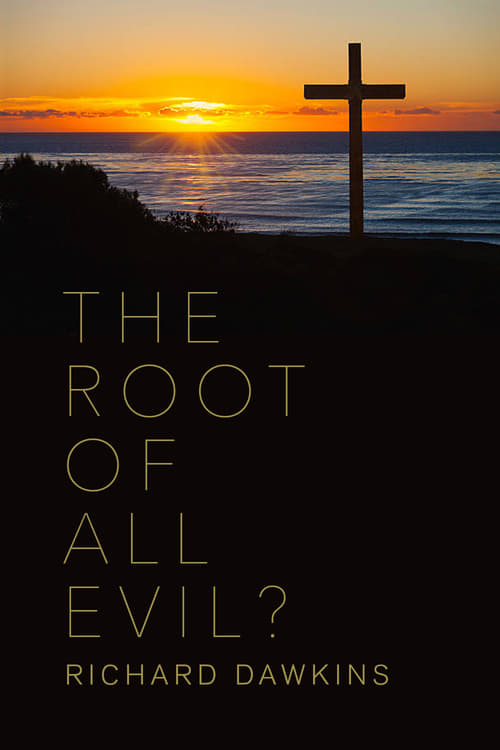
In this two-part Channel 4 series, Professor Richard Dawkins challenges what he describes as 'a process of non-thinking called faith'. He describes his astonishment that, at the start of the 21st century, religious faith is gaining ground in the face of rational, scientific truth. Science, based on scepticism, investigation and evidence, must continuously test its own concepts and claims. Faith, by definition, defies evidence: it is untested and unshakeable, and is therefore in direct contradiction with science. In addition, though religions preach morality, peace and hope, in fact, says Dawkins, they bring intolerance, violence and destruction. The growth of extreme fundamentalism in so many religions across the world not only endangers humanity but, he argues, is in conflict with the trend over thousands of years of history for humanity to progress to become more enlightened and more tolerant.
1982
Computer animation and footage from NASA space missions explain how our solar system evolved and the place Earth has within the system.