2023
A captivating story that takes you inside the heart of the Argentina national team camp of "La Albiceleste". Witness the incredible moments since they added a third star to their iconic jersey. Listen to their unique perspectives as they reflect on an unforgettable tournament, sharing the deep sense of connection that winning has forged between them and a nation behind them. A story about passion, dedication, and unity that make Argentina's victory truly memorable.
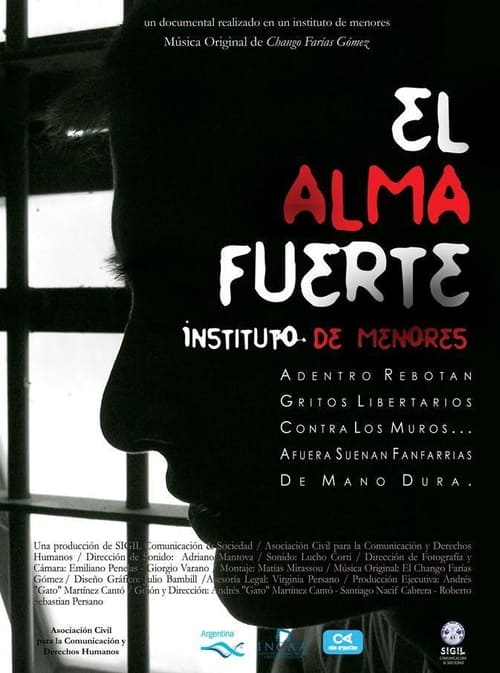
The youngsters housed in the "Almafuerte" Maximum Security Juvenile Institute have their first approach to audiovisual recording. A film and documentary video workshop serves as an excuse for them to make a short film inside the prison. The camera is a rabid toy that generates fascination in them and rescues a sheltered, innocent smile that seemed forgotten under the shadows. While inside libertarian cries bounce against the walls, outside sounds fanfares of an iron fist.
2013
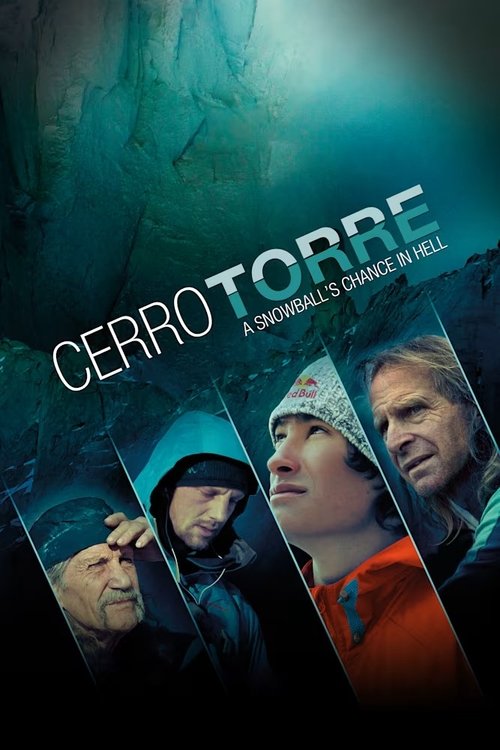
Movie about David Lama climbing the Patagonian mountain Cerro Torre for the first time free, a mountain that has been dubbed the most difficult to climb in the world.
2018
In this documentary film a team of researchers examine the social contexts that influenced the emergence and permanence of heavy metal music in Chile, Argentina, Mexico and Peru. Colonialism, dictatorships, terrorism and neoliberal exploitation serve as points of reference for how heavy metal in the region has been directly linked to each country's social and political context.
2007
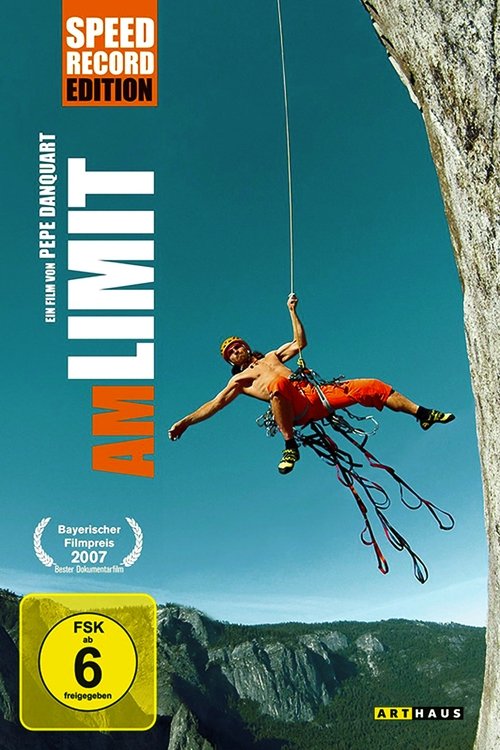
At the Limit is a documentary about extreme climbing. In this sports documentary, Pepe Danquart shows brothers Thomas and Alexander Huber climbing in Patagonia and on the granite rock "El Capitan" in Yosemite Valley (USA). A key part of the film is their attempt at a speed ascent of the 1,000-meter-high route "The Nose," in which the two athletes aim to break the then speed record of 2:48:30 hours, set by Hans Florine and Yuji Hirayama in September 2002.
2024
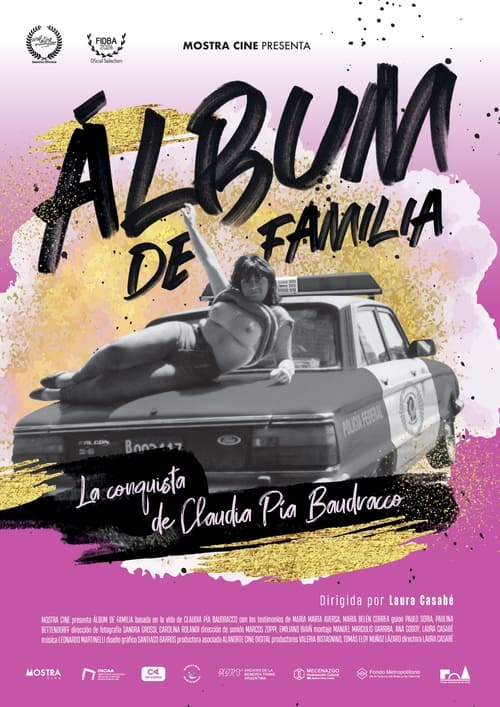
Through archive footage and images as well as interviews, the movie paints the portrait of a legendary trans womens' rights activist in Argentina. Like a family album to flip through, the narrative charts the ties solidarity and mutual aid create between people of the LGBTQI+ community and the long road to make the personal political, during the brutal 1980s in latin America.
2004
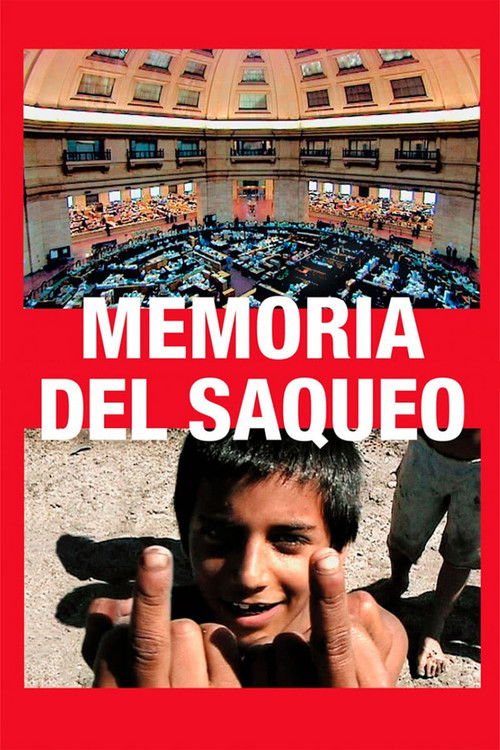
After the fall of the military dictatorship in 1983, successive democratic governments launched a series of reforms purporting to turn Argentina into the world's most liberal and prosperous economy. Less than twenty years later, the Argentinians have lost literally everything: major national companies have been sold well below value to foreign corporations; the proceeds of privatizations have been diverted into the pockets of corrupt officials; revised labour laws have taken away all rights from employees; in a country that is traditionally an important exporter of foodstuffs, malnutrition is widespread; millions of people are unemployed and sinking into poverty; and their savings have disappeared in a final banking collapse. The film highlights numerous political, financial, social and judicial aspects that mark out Argentina's road to ruin.
2020
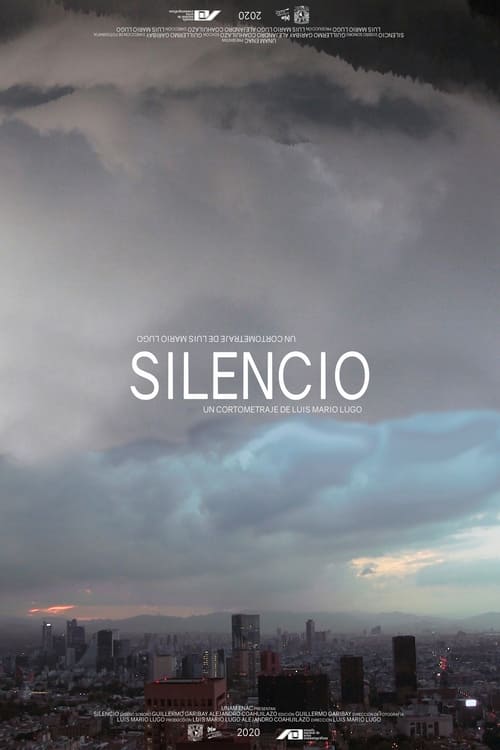
Sound progression of two opposite landscapes.
2015
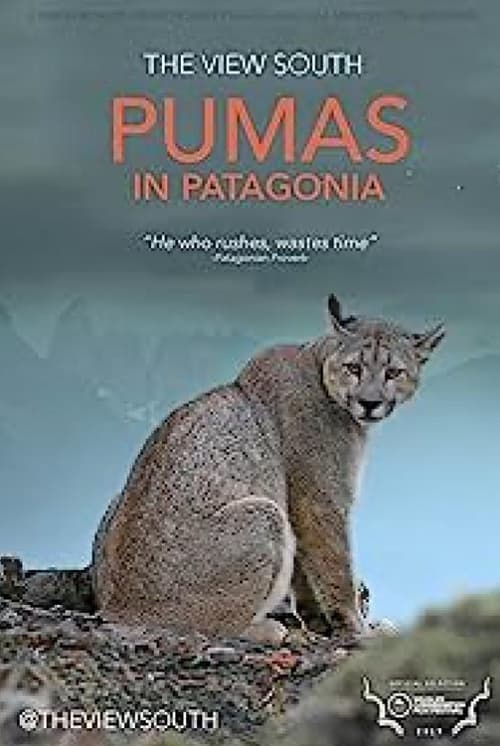
Andreas Kieling, a famous German documentary film maker, explores the coldest places in the world. He observes various animals in Patagonia, the Falkland Islands, Cape Horn, South Georgia and Antarctica.
2019
A story told with no words but with the power of sound and visuals of unspoiled Patagonia.
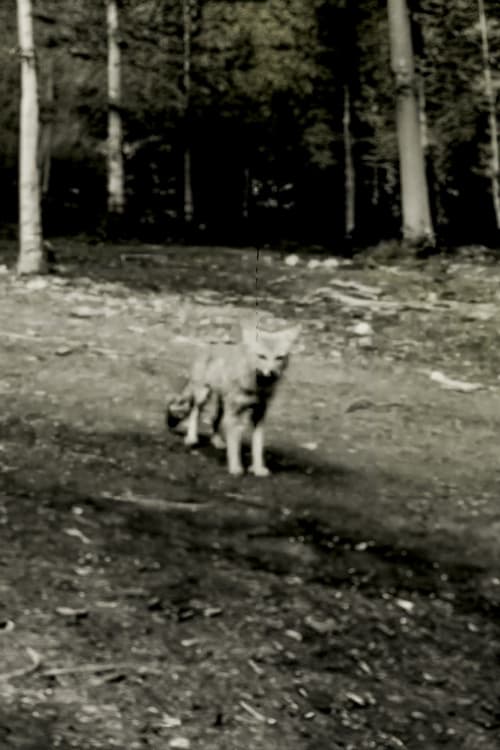
Dating from 1932, this footage is a relic filmed by British explorer Nelson Castle during an expedition to the south of South America.
A group of Welsh settlers decided to emigrate to Argentine Patagonia in 1865. Among them, a woman named Catherine Roberts, her husband, and their three children. Aboard the ship Mimosa they arrived at the current Puerto Madryn, Chubut, on July 28, 1865. Catherine died on August 21 and was buried near the coast, but her traces were lost until 1995 when some bones were discovered by chance. Argentine scientists Silvia Dahinten, Julieta Gómez Otero and Fernando Coronato have been working for twenty years to determine if the remains found are those of Catherine. In 2015, the arrival in Puerto Madryn of a Welsh descendant of Catherine, and new scientific advances, allow us to confirm that the bones found in 1995 are those of Catherine.