2023
A captivating story that takes you inside the heart of the Argentina national team camp of "La Albiceleste". Witness the incredible moments since they added a third star to their iconic jersey. Listen to their unique perspectives as they reflect on an unforgettable tournament, sharing the deep sense of connection that winning has forged between them and a nation behind them. A story about passion, dedication, and unity that make Argentina's victory truly memorable.
2018
In this documentary film a team of researchers examine the social contexts that influenced the emergence and permanence of heavy metal music in Chile, Argentina, Mexico and Peru. Colonialism, dictatorships, terrorism and neoliberal exploitation serve as points of reference for how heavy metal in the region has been directly linked to each country's social and political context.
2017
A young man decides to join the army. He becomes the drummer in the military band, and his everyday life is now a combination of military training and music. What does the Argentine Army do these days, more than thirty years after the dictatorship? What does it mean to be a soldier in a country without wars?
1973
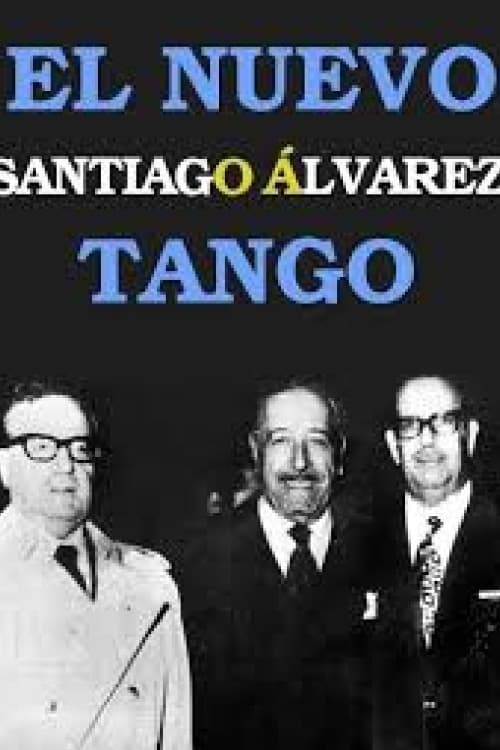
The New Tango (El Nuevo Tango) was not shown in Argentina for a long time as it deals with the ascent of Argentinean president Hector Campora in May 1973, and features Cuban and Chilean presidents, Osvaldo Dorticos and Salvador Allende. A million people gathered on the Plaza de Mayo to acclaim the new President. One of Cámpora's first presidential actions was a granting of amnesty to political prisoners who where jailed during the dictatorship. On 28 May Argentina restored diplomatic relations with Cuba, which then received Argentine aid - such as food and industrial products - to break the United States embargo against Cuba.
2015
2004
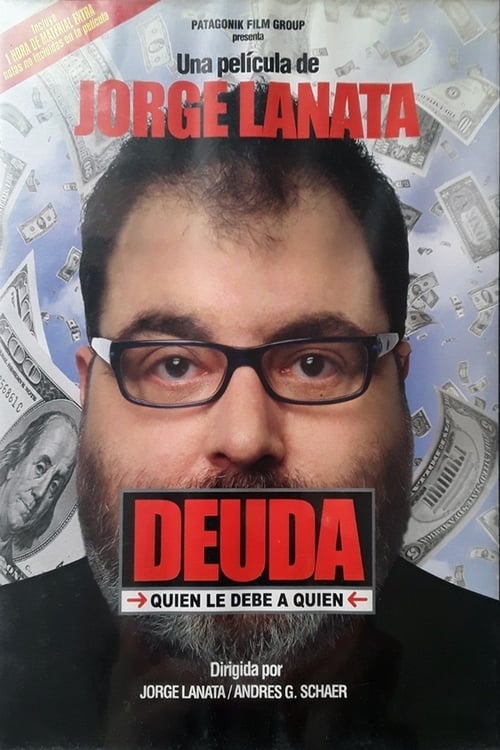
DEBT is the story of a frantic pursuit: the search for the responsible for the televised cry of hunger of Barbara Flores, an eight-year-old Argentinean girl. Buenos Aires, Washington, the IMF, the World Bank and Davos; corruption and the international bureaucratic lack of interest.
2014
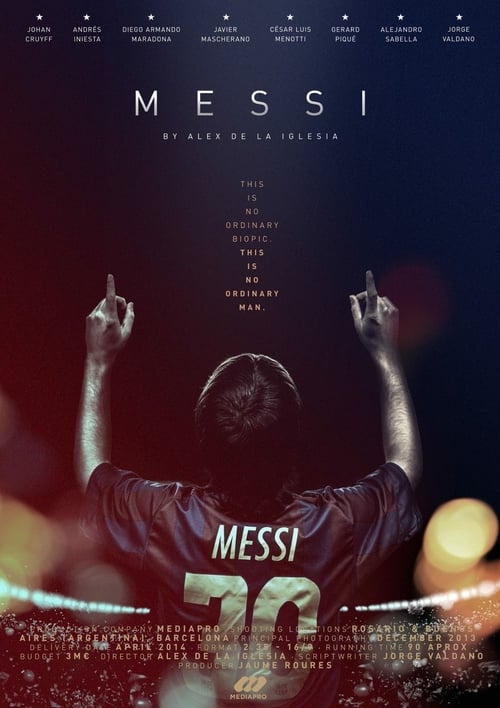
His teachers, coaches, childhood friends and Barça teammates, together with journalists, writers and prominent figures from the history of football, come together in a restaurant to analyze and pick apart Messi's personality both on and off the field, and to look back at some of the most significant moments in his life. Viewed from Álex de la Iglesia's unique perspective, Messi recreates the player's childhood and teenage years, from his very first steps, with a football always at his feet, through to the decision to leave Rosario for Barcelona, the separation from his family, and the role played in his career by individuals such as Ronaldinho, Rijkaard, Rexach and Guardiola.
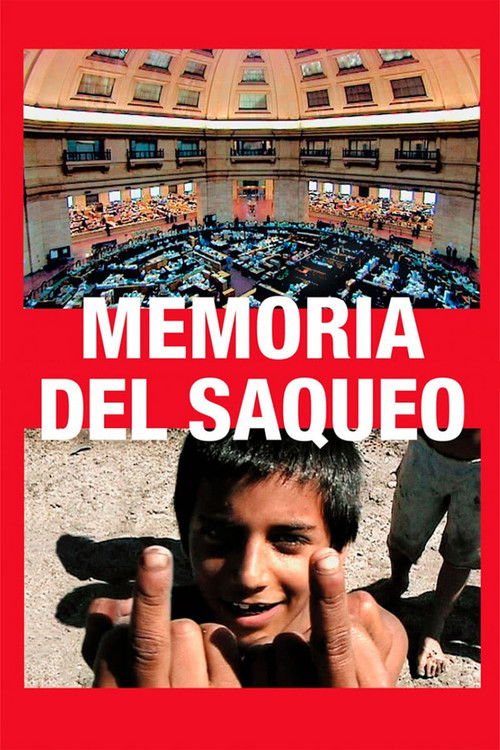
After the fall of the military dictatorship in 1983, successive democratic governments launched a series of reforms purporting to turn Argentina into the world's most liberal and prosperous economy. Less than twenty years later, the Argentinians have lost literally everything: major national companies have been sold well below value to foreign corporations; the proceeds of privatizations have been diverted into the pockets of corrupt officials; revised labour laws have taken away all rights from employees; in a country that is traditionally an important exporter of foodstuffs, malnutrition is widespread; millions of people are unemployed and sinking into poverty; and their savings have disappeared in a final banking collapse. The film highlights numerous political, financial, social and judicial aspects that mark out Argentina's road to ruin.
A group of Welsh settlers decided to emigrate to Argentine Patagonia in 1865. Among them, a woman named Catherine Roberts, her husband, and their three children. Aboard the ship Mimosa they arrived at the current Puerto Madryn, Chubut, on July 28, 1865. Catherine died on August 21 and was buried near the coast, but her traces were lost until 1995 when some bones were discovered by chance. Argentine scientists Silvia Dahinten, Julieta Gómez Otero and Fernando Coronato have been working for twenty years to determine if the remains found are those of Catherine. In 2015, the arrival in Puerto Madryn of a Welsh descendant of Catherine, and new scientific advances, allow us to confirm that the bones found in 1995 are those of Catherine.
2024
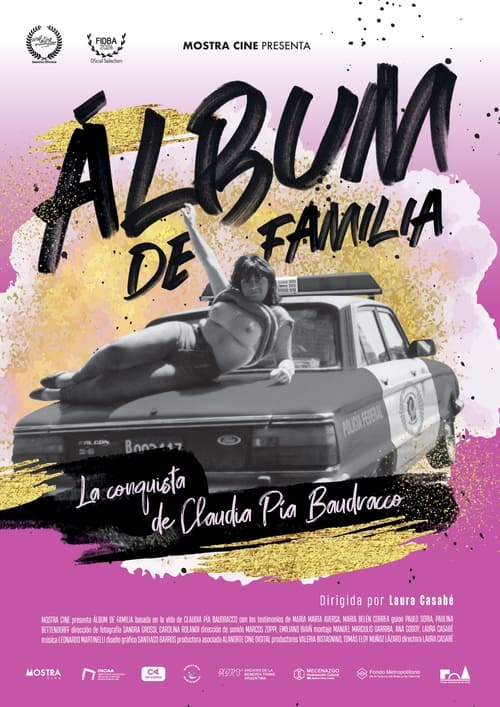
Through archive footage and images as well as interviews, the movie paints the portrait of a legendary trans womens' rights activist in Argentina. Like a family album to flip through, the narrative charts the ties solidarity and mutual aid create between people of the LGBTQI+ community and the long road to make the personal political, during the brutal 1980s in latin America.
2025
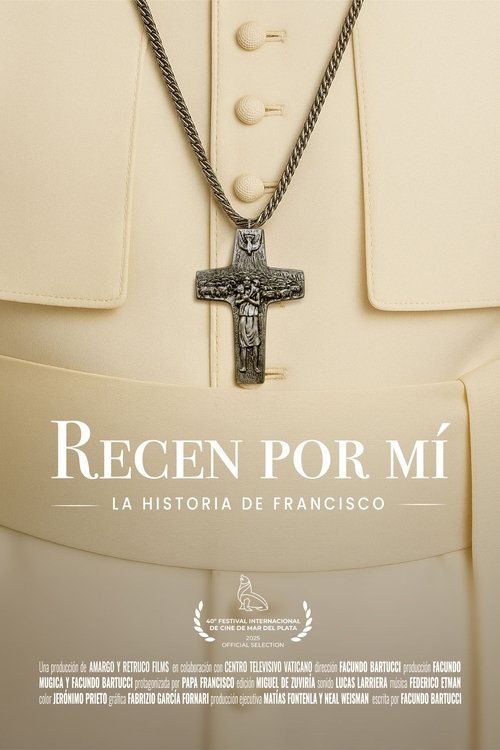
Pray for me: Pope Francis’ story is a documentary that follows the life journey of Pope Francis, with a particular focus on his social and humanitarian work. The film portrays a man deeply devoted to the causes of the poor, the marginalised, and the forgotten: from his early years in Argentina to his role as a spiritual leader on the global stage. Blending archival footage, personal testimonies, and a thoughtful, ethical perspective, the documentary offers an intimate and timely portrait of one of the most influential figures of our time.
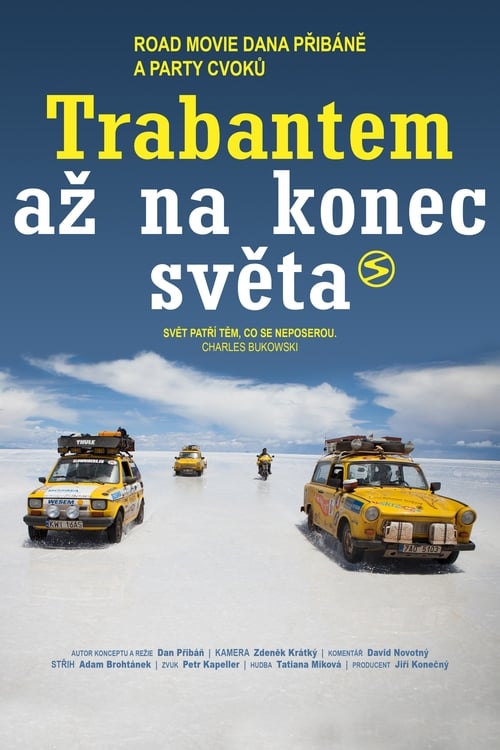
The third installment in Dan Přibáň's series of travel documentaries describes the author's journey with his friends across South America in vehicles that are often notorious but cult in their own way. The charming dynamics of the group on screen are further enhanced by the high-quality craftsmanship.