1915
A domestic comedy about the McGinis family—husband Aloysius, wife Clarice, daughter Julie, and housemaid Belladonna. The simple story lines often parody society's concern with material goods as an indicator of social standing, but the series was not as narrowly focused as the title implies. The Joneses were the McGinis's neighbors, but were not depicted. They were referred to as objects of envy, with whom the McGinis family was "trying to keep up." In this film, Pa McGinis decides to buy a new hat.
1943
This brief animated film was designed to promote the remodelling of old clothing as part of the World War II effort.
2024
A man, dedicated to his family, discovers what the true meaning of love is as he embarks on a horrific journey through the wilderness.
2013
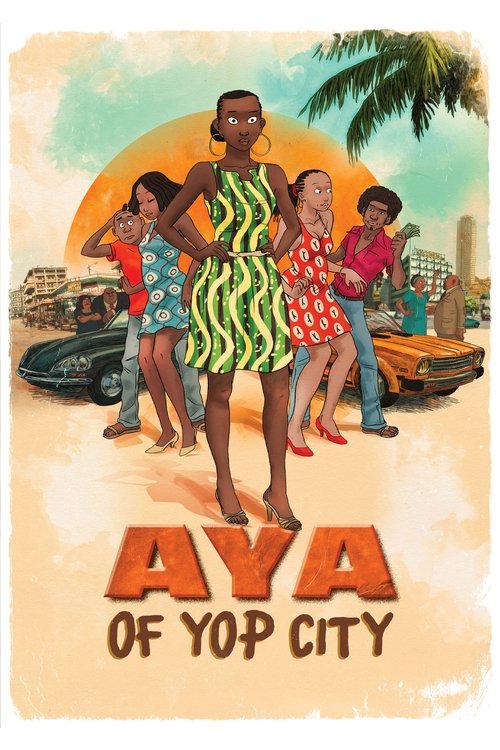
While Aya has dreams of becoming a doctor, her two best friends, Adjoua and Bintou, just like to hang out and spend their evenings dancing, drinking and flirting with boys. Their ambition is to follow Plan C: Combs, Clothes and Chasing Men! But big trouble comes to town when Adjoua realizes she’s pregnant, and the baby’s father is the spoiled son of one of the richest and most feared men in the whole country.
A cashier at store reconsiders his perspective on the importance of clothing after meeting special customers.
1988
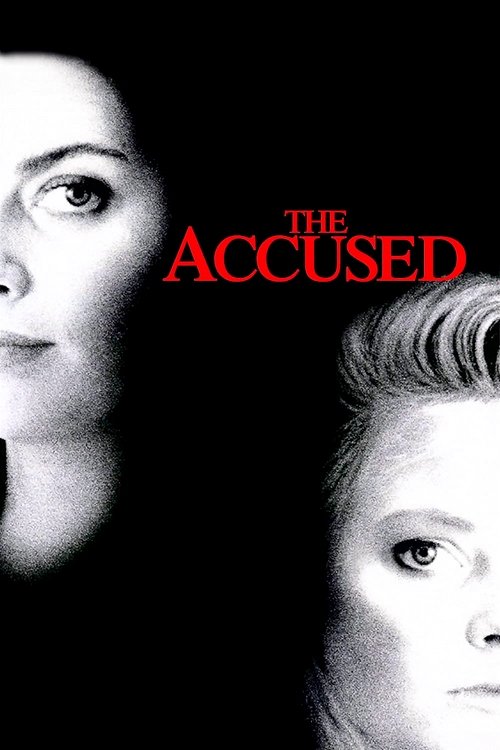
Out drinking one night after a fight with her boyfriend, three men brutally rape Sarah Tobias in a bar while people watch and cheer. District Attorney Kathryn Murphy takes the case; however, she allows the rapists to receive a mild sentence. A distraught Sarah decides to seek punishment for the men who witnessed and encouraged the rape. To get justice, Sarah must take the stand and revisit the night of her attack.
1978
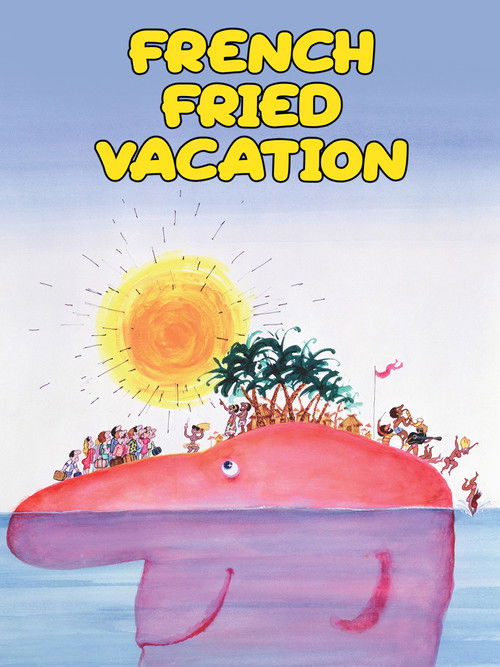
Holidaymakers arriving in a Club Med camp on the Ivory Coast are determined to forget their everyday problems and emotional disappointments. Games, competitions, outings, bathing and sunburn accompany a continual succession of casual affairs.
1964
This documentary offers an overview of French scientific research in Africa French scientific research in Africa: hydrology, botany, biology oil palm and coconut cultivation, industrial sea fishing and and urban planning. Film montage taking stock of scientific research research in Africa, mainly in the fields of hydrology hydrology, botany, biology and agriculture. The film is a compilation of extracts from several short films made by Jean Rouch in Mali, Niger and Côte d'Ivoire between 1962 and 1963: Abidjan, port de pêche, Le Mil, Le Cocotier and Le Palmier à l'huile. l'huile.
1963
Life in a community of Harist disciples in the village of Bregbo, Côte d'Ivoire, under the aegis of their "prophet" Alberto Atcho. 50 km from Abidjan, magician Albert Archo treats the sick, most of them mentally ill. Through a combination of public confession and the use of local medicinal plants, he achieves spectacular healing.
2014
Today, few people's clothes attract as much attention as the royal family, but this is not a modern-day paparazzi-inspired obsession. Historian Dr. Lucy Worsley, Chief Curator at Historic Royal Palaces, reveals that it has always been this way. Exploring the royal wardrobes of our kings and queens over the last four hundred years, Lucy shows this isn't just a public fascination, but an important and powerful message from the monarchs. From Elizabeth I to the present Queen Elizabeth II, Lucy explains how the royal wardrobe's significance goes far beyond the cut and color of the clothing. Royal fashion is, and has always been, regarded as a very personal statement to reflect their power over the reign. Most kings and queens have carefully choreographed every aspect of their wardrobe; for those who have not, there have sometimes been calamitous consequences. As much today as in the past, royal fashion is as much about politics as it is about elegant attire.
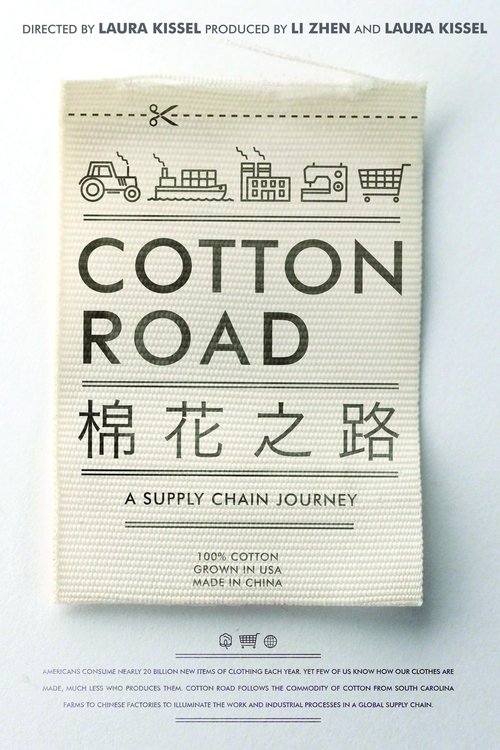
What does a rural town in South Carolina have to do with China? Americans consume nearly twenty billion new items of clothing each year, and at least one billion of them are made in China. Cotton Road uncovers the transnational movement of cotton and tells the stories of workers lives in a conventional cotton supply chain. From rural farms in South Carolina to factory cities in China, we span the globe to encounter the industrial processes behind our rapacious consumption of cheap clothing and textile products. Are we connected to one another through the things we consume? Cotton Road explores a contemporary landscape of globalized labor through human stories and provides an opportunity to reflect on the ways our consumption impacts others and drives a global economy.
2010
A team of journalists investigate how human trafficking and child labor in the Ivory Coast fuels the worldwide chocolate industry. The crew interview both proponents and opponents of these alleged practices, and use hidden camera techniques to delve into the gritty world of cocoa plantations.