1938
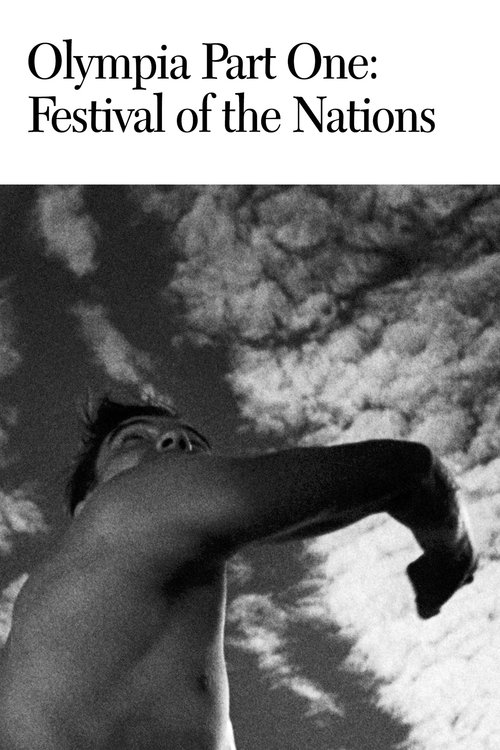
Starting with a long and lyrical overture, evoking the origins of the Olympic Games in ancient Greece, Riefenstahl covers twenty-one athletic events in the first half of this two-part love letter to the human body and spirit, culminating with the marathon, where Jesse Owens became the first track and field athlete to win four gold medals in a single Olympics.
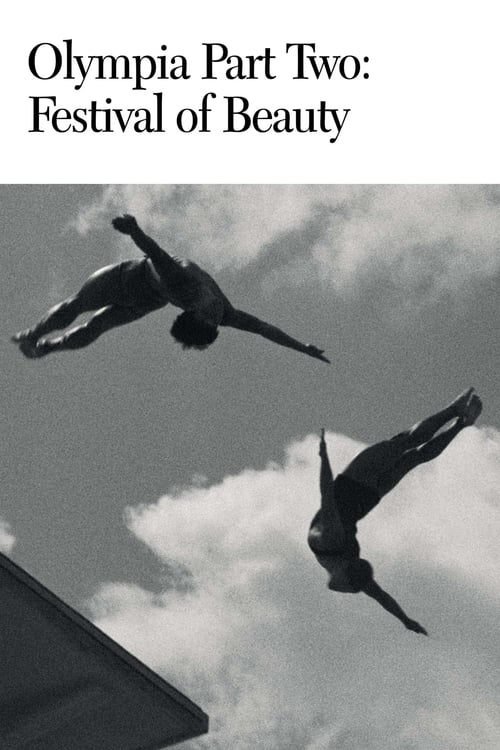
Part two of Leni Riefenstahl's monumental examination of the 1938 Olympic Games, the cameras leave the main stadium and venture into the many halls and fields deployed for such sports as fencing, polo, cycling, and the modern pentathlon, which was won by American Glenn Morris.
Nazi Third Reich propaganda film that used architecture as a statement about "racial accomplishment," and so called "racial superiority." Hitler claimed that between 1934 and 1940, the Nazi rule of Germany had produced architectural uniqueness, and this film was produced to shown to attempt to validate that. The opening montage gives a survey of earlier Gothic and Baroque structures in the country as an example of "architectural superiority" that the German race was said to be the sole inventor of; then moves on to deride the recent construction of the Bauhaus school (with a racially motivated score of Jazz music) and an example of German "architectural decay." Then proceeds to show off buildings constructed by the Nazi and an architectural revival, to "last 1000 years," Film also spends a great of time dwelling on massive and "busy" monuments that had been erected all over the county.
2016
1896
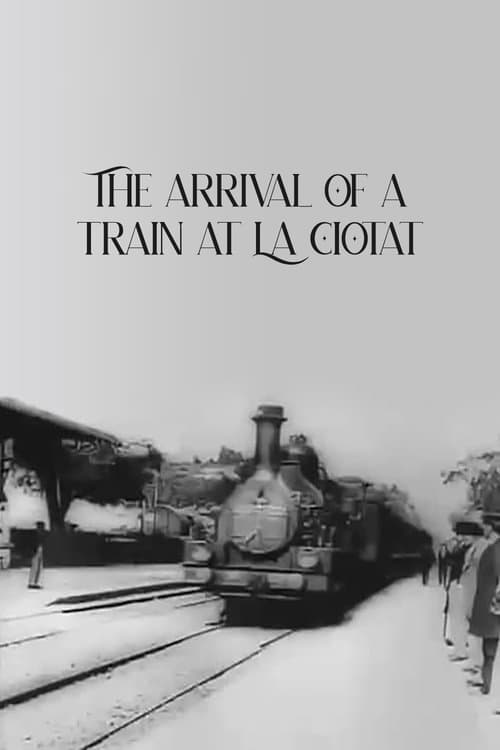
A group of people are standing along the platform of a railway station in La Ciotat, waiting for a train. One is seen coming, at some distance, and eventually stops at the platform. Doors of the railway-cars open and attendants help passengers off and on. Popular legend has it that, when this film was shown, the first-night audience fled the café in terror, fearing being run over by the "approaching" train. This legend has since been identified as promotional embellishment, though there is evidence to suggest that people were astounded at the capabilities of the Lumières' cinématographe.
2015
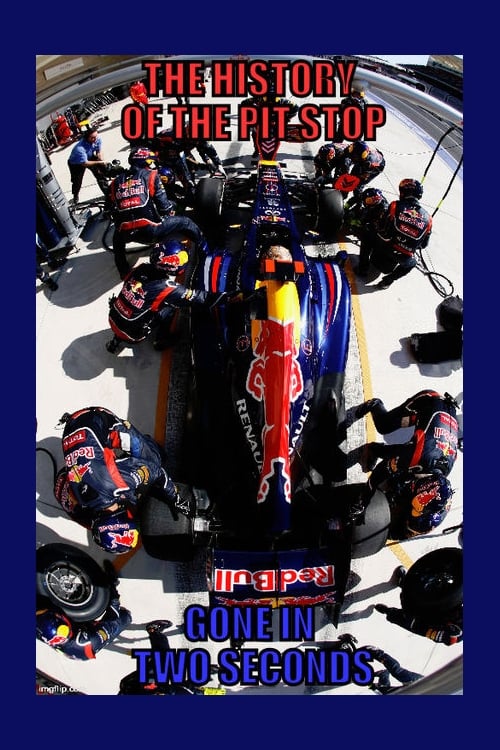
The mavericks who pioneered the modern pit stop made it a raceday staple that takes less than two seconds.
2014
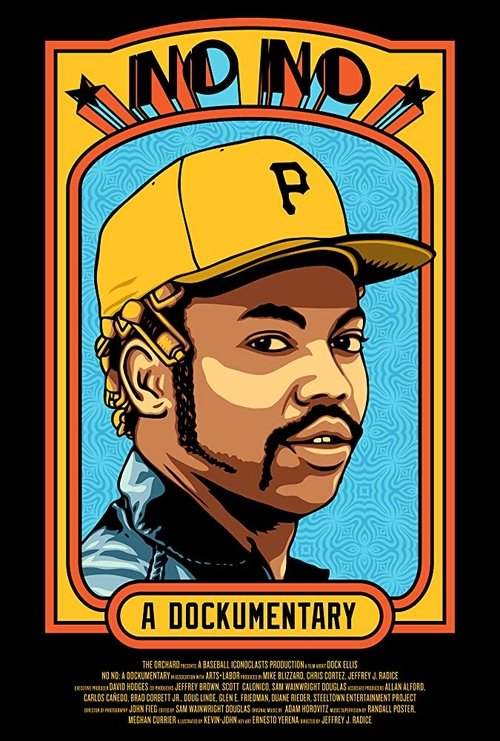
Dock Ellis pitched a no-hitter on LSD, then worked for decades counseling drug abusers. Dock's soulful style defined 1970s baseball as he kept hitters honest and embarrassed the establishment. An ensemble cast of teammates, friends, and family investigate his life on the field, in the media, and out of the spotlight.
1980
Warsaw's Central Railway Station. 'Someone has fallen asleep, someone's waiting for somebody else. Maybe they'll come, maybe they won't. The film is about people looking for something.
The Wedge, located at the end of the Balboa Peninsula in Newport Beach, California, is a world famous, man-made beast of a wave.
2018
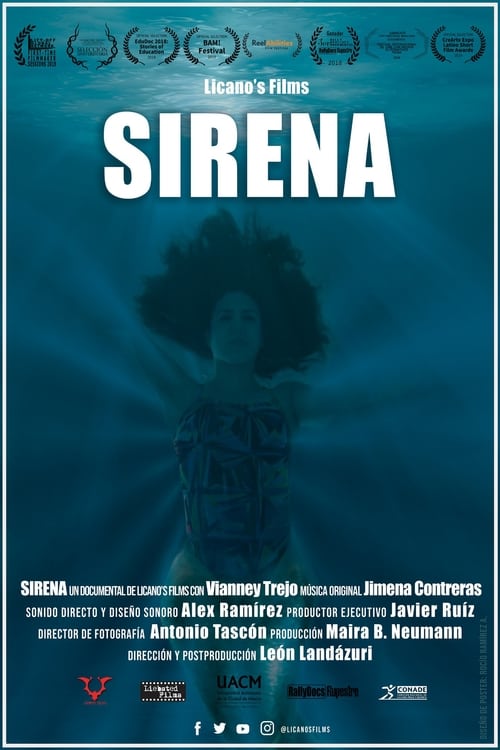
Documentary that tells the story of Vianney Trejo, a young woman who struggles every day despite her disability. We go through her daily routine, as well as her passion, swimming, where she has consistently achieved triumphs and has been considered for international competitions.
1927
A day in the city of Berlin, which experienced an industrial boom in the 1920s, and still provides an insight into the living and working conditions at that time. Germany had just recovered a little from the worst consequences of the First World War, the great economic crisis was still a few years away and Hitler was not yet an issue at the time.
2021
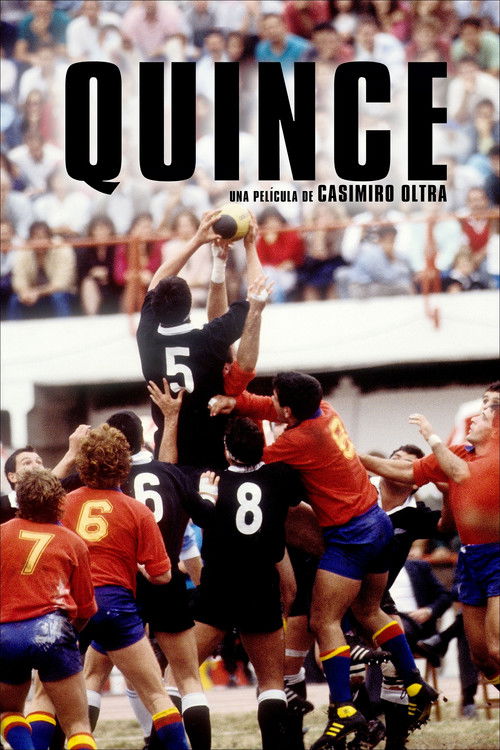
A journey through the golden age of Spanish rugby, from the late eighties to the early nineties: the incredible story of men who, with hard work, effort and perseverance, proved that any goal can be achieved.