1957
Intended as a publicity film for Chrysler, Rhythm uses rapid editing to speed up the assembly of a car, synchronizing it to African drum music. The sponsor was horrified by the music and suspicious of the way a worker was shown winking at the camera; although Rhythm won first prize at a New York advertising festival, it was disqualified because Chrysler had never given it a television screening. P. Adams Sitney wrote, “Although his reputation has been sustained by the invention of direct painting on film, Lye deserves equal credit as one of the great masters of montage.” And in Film Culture, Jonas Mekas said to Peter Kubelka, “Have you seen Len Lye’s 50-second automobile commercial? Nothing happens there…except that it’s filled with some kind of secret action of cinema.” - Harvard Film Archive
2013
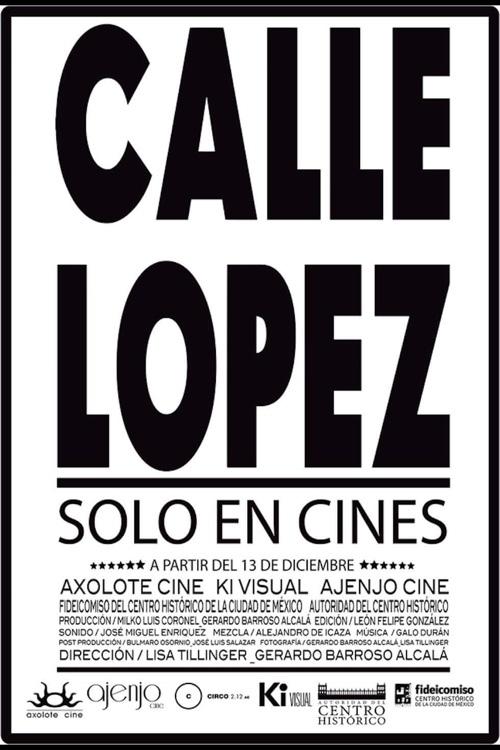
In the eyes of a foreigner practically any street of Mexico City’s Centro Histórico holds potential for a film. Life on the street deserves more than just the natural condition of observer anyone could have, it demands an extra attention. In a 100-meter radius, the sociological exuberance of the events going on is simply impossible to ignore. The street is a mise en scène in itself.
2020
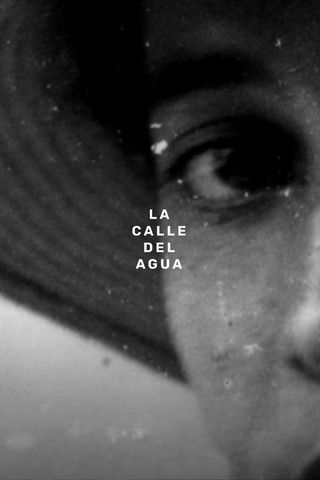
Benjamina Miyar Díaz (1888-1961) led an unusual life in her house on calle del Agua in Corao, Asturias, at the foot of the Picos de Europa mountain range in northern Spain: she was a photographer and watchmaker for more than forty years, but she also fought in her own humble and heroic way against General Franco's dictatorship.
2014
A completely new story based on existing footage from the series Columbo.
1976
"This is taking a Super 8mm camera around with me wherever I go and I'm very interested in windows at this time of travel, and I'm trying to make a variety of different statements about the concept of window." - S.B.
2024
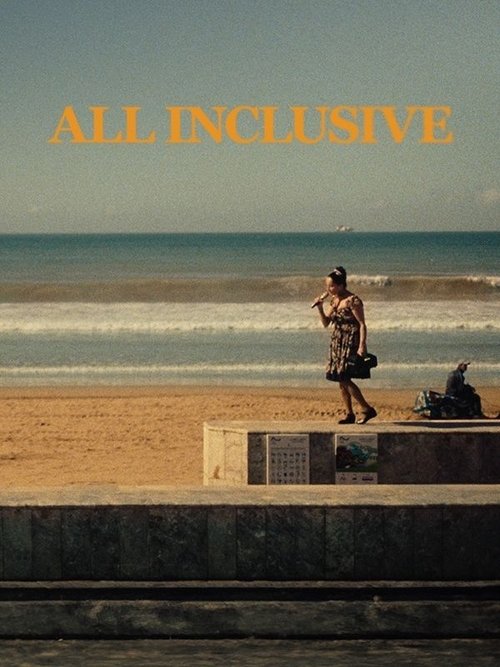
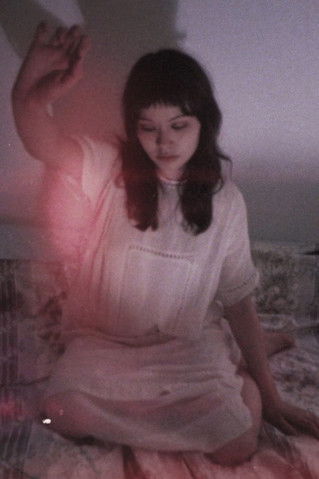
A story of seven women who are going on holidays to Morocco, getting out of the hotel and confronting women from Morocco. They will look for their own way of life in the desert, confront their world, looking at the reality that surrounds them.
1967
Jonas Mekas transforms footage of the Ringling Brothers Circus into a rapid-fire montage set to music, structured in four segments that highlight different acts. Earlier images reappear in later sections as background to new performances, with the accelerated pacing of the clips mirroring the rhythm and energy of the soundtrack.
2008
Over the course of more than fifteen years, Clémenti films a series of intimate diaries, starting from daily encounters. In La deuxième femme, we see Bulle Ogier and Viva, Nico and Tina Aumont, Philippe Garrel and Udo Kier, a performance by Béjart, a piece by Marc’O, concerts by Bob Marley and Patti Smith (not always recognisable)... It’s like a maelstrom of psychedelic images that are passed through a particle accelerator.
2009
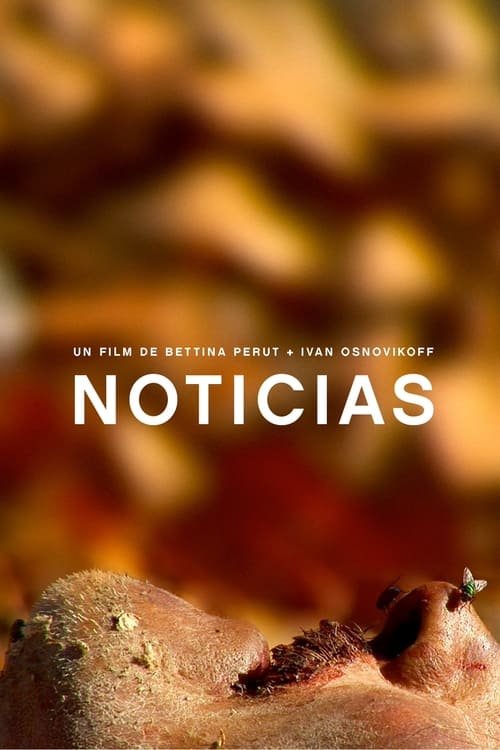
An observational film that using the fragmented format of a newscast program proposes a cinematic glance to the same reality depicted daily by the media.
1989
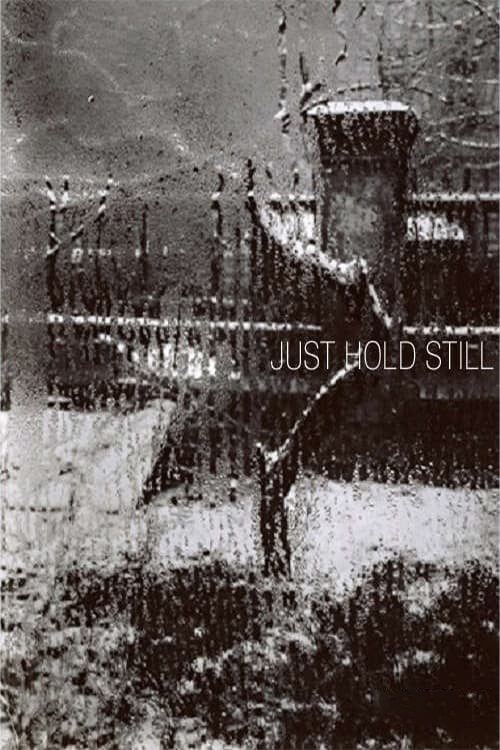
In his New York City landscape, Cohen finds inspiration in disturbance. Looking to life for rhythm and to architecture for state of mind, he locates simple mysteries. Just Hold Still is comprised of an interconnected series of short works and collaborations that explore the gray area between documentary, narrative, and experimental genres.
1999
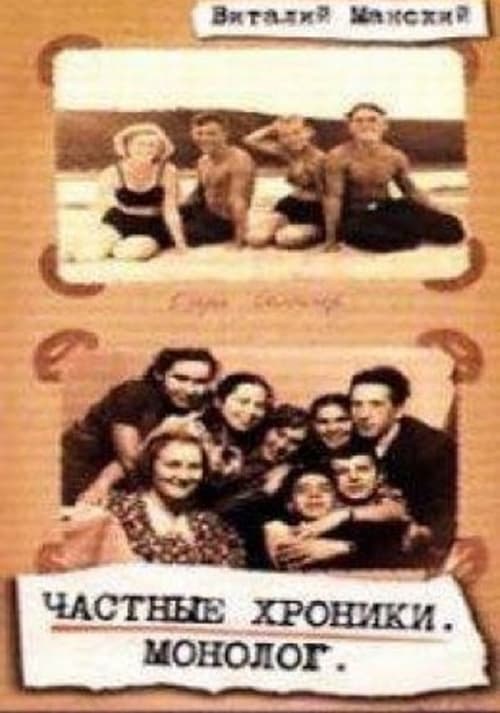
The collective life of the generation born as Jurij Gagarin became the first man in space. Vitaly Mansky has woven together a fictional biography – taken from over 5.000 hours of film material, and 20.000 still pictures made for home use. A moving document of the fictional, but nonetheless true life of the generation who grew up in this time of huge change and upheaval.
2017
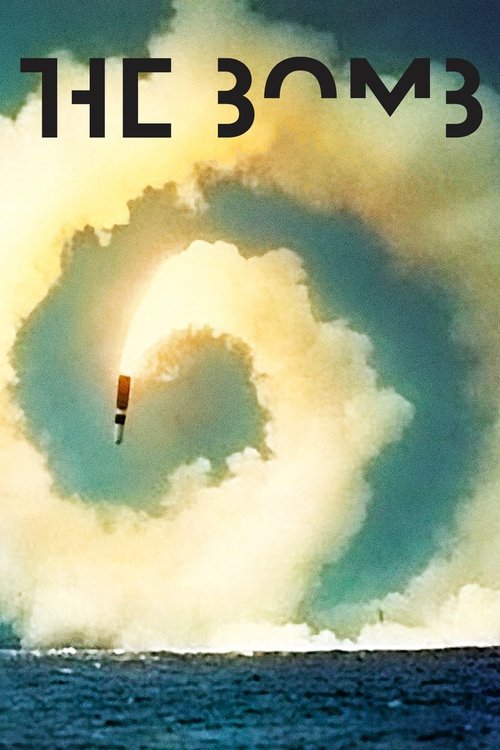
Filmmakers use archival footage and animation to explore the culture surrounding nuclear weapons, the fascination they inspire and the perverse appeal they still exert.