1938
Nazi Third Reich propaganda film that used architecture as a statement about "racial accomplishment," and so called "racial superiority." Hitler claimed that between 1934 and 1940, the Nazi rule of Germany had produced architectural uniqueness, and this film was produced to shown to attempt to validate that. The opening montage gives a survey of earlier Gothic and Baroque structures in the country as an example of "architectural superiority" that the German race was said to be the sole inventor of; then moves on to deride the recent construction of the Bauhaus school (with a racially motivated score of Jazz music) and an example of German "architectural decay." Then proceeds to show off buildings constructed by the Nazi and an architectural revival, to "last 1000 years," Film also spends a great of time dwelling on massive and "busy" monuments that had been erected all over the county.
1989
In the same vein as Meri's other documentations, this one takes advantage of the glasnost policy to discuss the social and ecologic impact of the Russian oil industry on the natives and the lands they inhabit.
2005
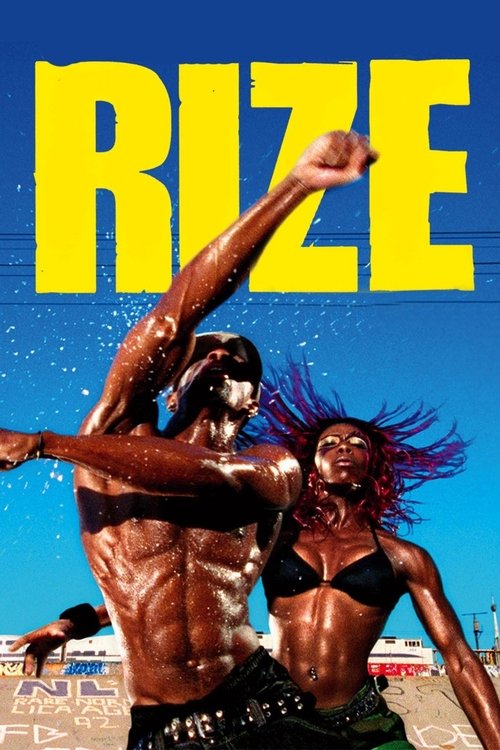
A documentary film that highlights two street derived dance styles, Clowning and Krumping, that came out of the low income neighborhoods of L.A.. Director David LaChapelle interviews each dance crew about how their unique dances evolved. A new and positive activity away from the drugs, guns, and gangs that ruled their neighborhood. A raw film about a growing sub-culture movements in America.
1896
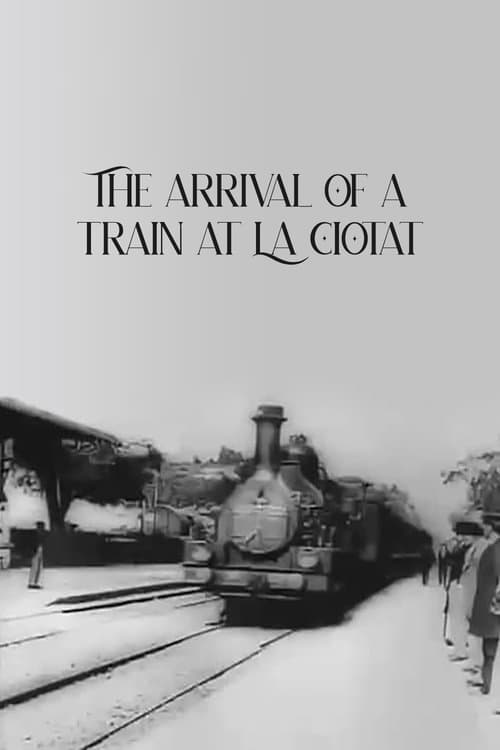
A group of people are standing along the platform of a railway station in La Ciotat, waiting for a train. One is seen coming, at some distance, and eventually stops at the platform. Doors of the railway-cars open and attendants help passengers off and on. Popular legend has it that, when this film was shown, the first-night audience fled the café in terror, fearing being run over by the "approaching" train. This legend has since been identified as promotional embellishment, though there is evidence to suggest that people were astounded at the capabilities of the Lumières' cinématographe.
1980
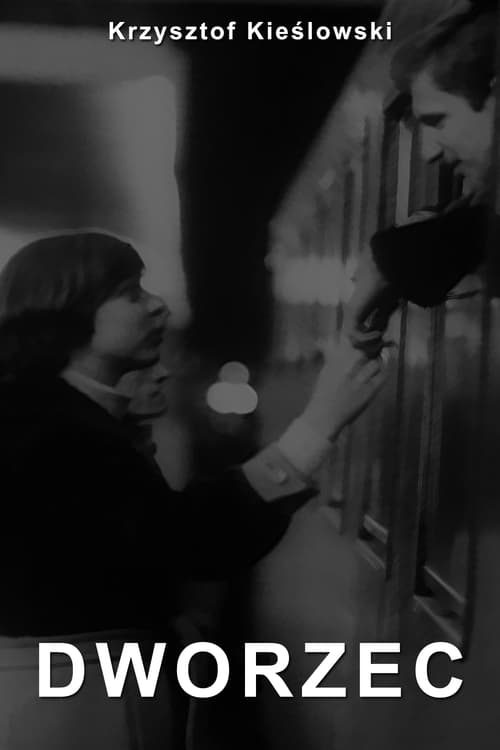
Warsaw's Central Railway Station. 'Someone has fallen asleep, someone's waiting for somebody else. Maybe they'll come, maybe they won't. The film is about people looking for something.
2019
Suzuki Shizuka is an office lady at a conglomerate who is hypnotized at a local amusement park and left under the spell. Now she is compelled to sing and dance whenever she hears any melody whatsoever. She heads back to the hypnotist for relief, but he is nowhere to be found. So Shizuka sets off on a journey around Japan to find him and break the spell.
2003
1945
While his wife is away, Frederick Stumplefinger lets his kids go out jitterbugging on a school night, only to have his wife return early.
2002
Thousands of years in a mysterious land called The Middle Kingdom, many legends were created. Martial arts was one of them, made famous by its name Kungfu. In an ancient temple we encounter a little boy. Through practicing Zen Buddhism and Kungfu, our little monk eventually grows and finally reaches the sacred goal of enlightenment.
1968
(A)lter (A)ction, 1968. Videotape, black-and-white, sound; 65 minutes (director's edit: 57 minute television version).
2017
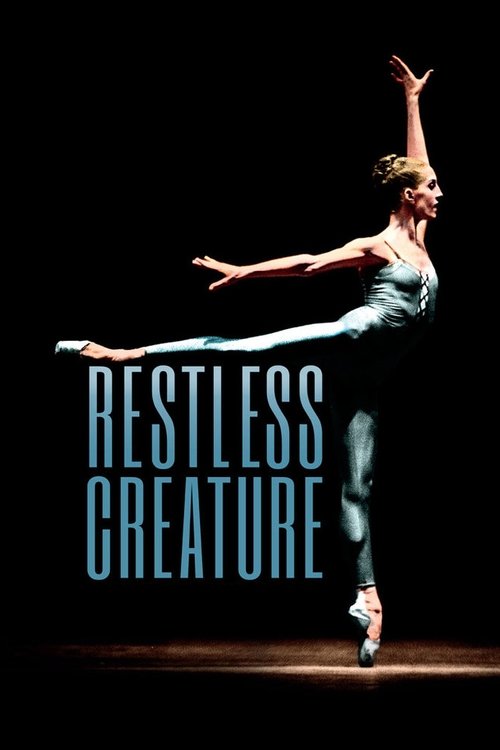
Documentary on the great American Ballerina Wendy Whelan
1969
A pair wander the streets of Warsaw, meeting famous Polish musicians.