2016
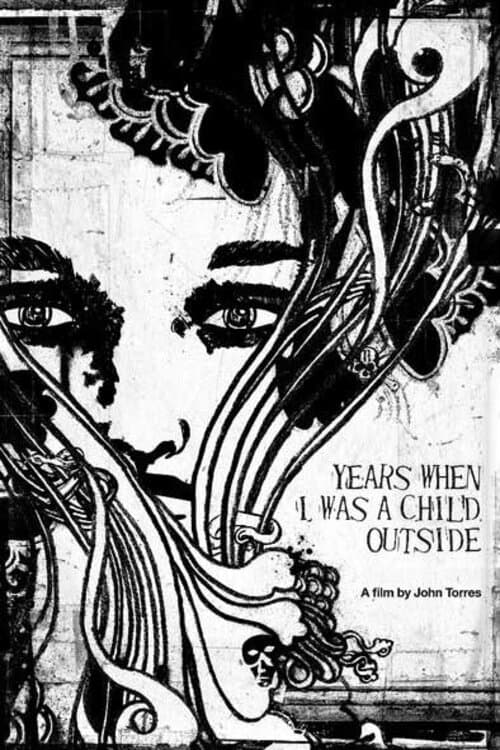
A film essay investigating the question of what “the West” means beyond the cardinal direction: a model of society inscribed itself in the Federal Republic of Germany’s postwar history and architecture. The narrator shifts among reflections on modern architecture and property relations, detailed scenes from childhood, and a passed-down memory of a “hemmed-in West Germany,” recalling the years of her parents’ membership in a 1970s communist splinter group.
1989
A look at the Brazilian black movement between 1977 and 1988, going by the relationship between Brazil and Africa.
2013
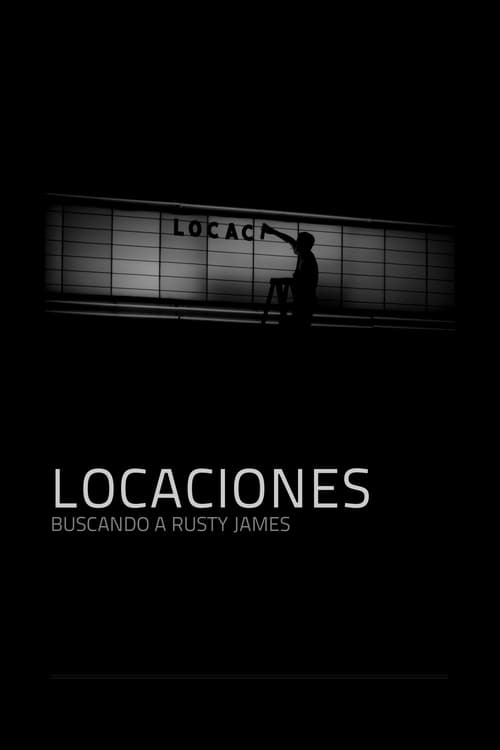
A personal meditation on Rumble Fish, the legendary film directed by Francis Ford Coppola in 1983; the city of Tulsa, Oklahoma, USA, where it was shot; and its impact on the life of several people from Chile, Argentina and Uruguay related to film industry.
1996
Quite a few years have passed since November 1989. Czechoslovakia has been divided up and, in the Czech Republic, Václav Klaus’s right-wing government is in power. Karel Vachek follows on from his film New Hyperion, thus continuing his series of comprehensive film documentaries in which he maps out Czech society and its real and imagined elites in his own unique way.
2025
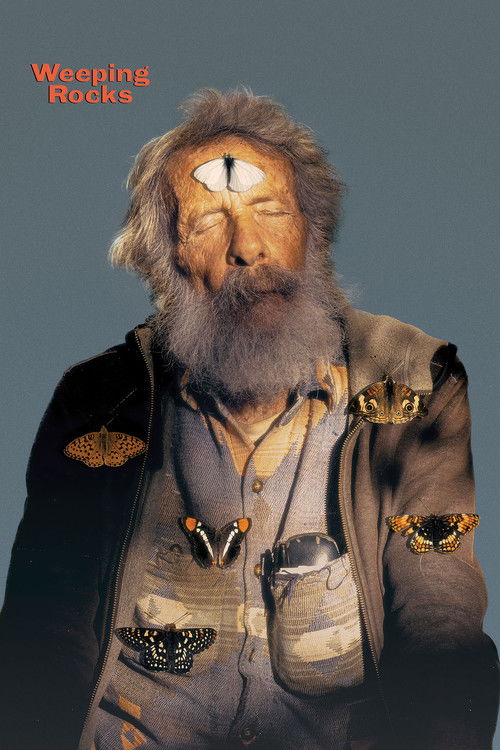
Weeping Rocks follows Art, an entomologist nearing the end of his life, who has spent over five decades walking the same ten trails, meticulously counting every butterfly he sees and witnessing the slow erosion of the world. His eccentric, patient research has uncovered patterns of decline that went unnoticed for years, revealing the deep environmental impact of detrimental human activities. As time reshapes the landscape and species fade, Art’s journey becomes a meditation on mortality, change, and the beauty of what remains.
2023
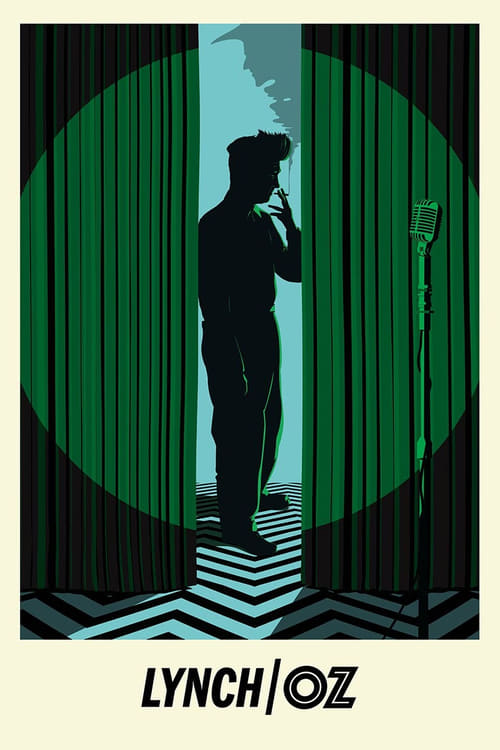
Victor Fleming’s 1939 film The Wizard of Oz is one of David Lynch’s most enduring obsessions. This documentary goes over the rainbow to explore this Technicolor through-line in Lynch’s work.
2002
A personal and subjective video essay series on the Korean cinema, consisting of 9 episodes. Its episodes include fragments of memory about Korean films and their ‘field’, actual moments of what is happening here and now, and images excerpted from Korean films. [Ep 1] My Chungmuro (2002) [Ep 2] For March of Fools (2003) [Ep 3] Smoking Women (2003) [Ep 4] Kino 99 (2003) [Ep 5] Song of Keumsoon (2004) [Ep 6] The Creative Restoration of ‘An Empty Dream’ (2005) [Ep 7] Reflection on Kim Gu (2005) [Ep 8] Garibong, Again (2006) [Ep 9] A Short Film about Pre-1945 Korean Cinema (2006)
2007
While Trevor and Sam are smoking pot, Trevor’s mom comes home. When she finds out, Trevor reveals his father’s adulterous ways and destroys his family.
2000
A labyrinthine portrait of Czech culture on the brink of a new millennium. Egon Bondy prophesies a capitalist inferno, Jim Čert admits to collaborating with the secret police, Jaroslav Foglar can’t find a bottle-opener, and Ivan Diviš makes observations about his own funeral. This is the Czech Republic in the late 90s, as detailed in Karel Vachek’s documentary.
2004
Twenty-five films from twenty-five European countries by twenty-five European directors.
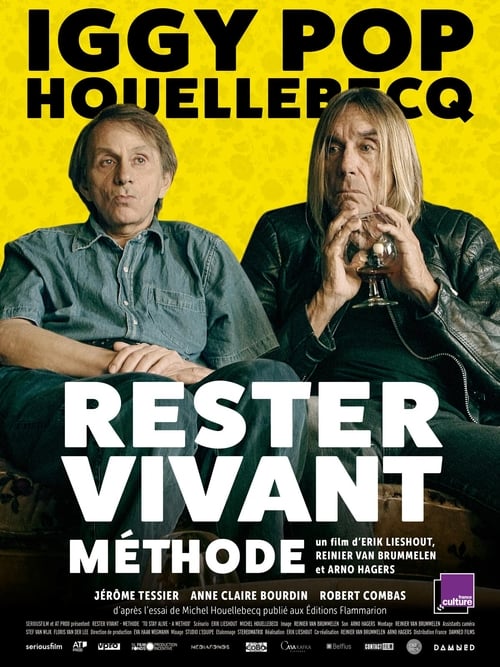
Iggy Pop reads and recites Michel Houellebecq’s manifesto. The documentary features real people from Houellebecq’s life with the text based on their life stories.
A flickering dance of intriguing imagery brings to light the possibilities of ordinary movements from the everyday which appear, evolve and freeze before your eyes. Made entirely from archive photographs and footage from the earliest days of moving image, All This Can Happen (2012) follows the footsteps of the protagonist from the short story 'The Walk' by Robert Walser. Juxtapositions, different speeds and split frame techniques convey the walker's state of mind as he encounters a world of hilarity, despair and ceaseless variety.