2006
Tarachime is a documentary film which observes 'life' through childbirth. Kawase Naomi, a film director working under the theme of family, life and death, presents the bond of life through her own childbirth experience. "First, I was planning to film from the day I conceived a child and to the moment I gave birth. But I realized, while filming, that this is not the story of "one life." In the end, the film sublimed to a higher stage on which we can witness the knot tying one life with another."
2014
The image of a mysterious, solitary filmmaker - a cineaste maudit - who flees from both the media and the public, is unrelentingly bound to the figure of Leos Carax, in France. Elsewhere, the real focus is on his films and he is considered to be an icon of world cinema. Mr.X dives into the poetic and visionary world of an artist who was already a cult figure from his very first film. Punctuated by interviews and unseen footage, this documentary is most of all a fine-tuned exploration of the poetic and visionary world of Leos Carax, alias "Mr.X".
1999
Two bodies and one mind, this is the extraordinary story of one pair of conjoined twins in today's world.
1979
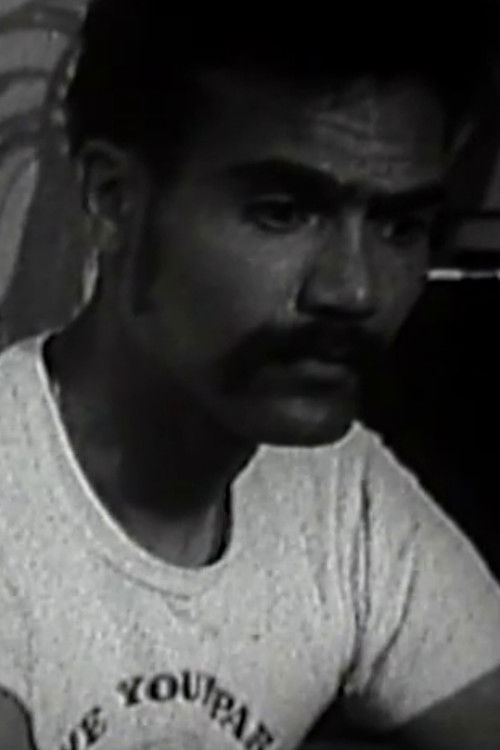
Shows efforts on New York's Lower East Side to revive abandoned buildings through the work and persistence of the local, predominantly Latino residents.
1938
Starting with a long and lyrical overture, evoking the origins of the Olympic Games in ancient Greece, Riefenstahl covers twenty-one athletic events in the first half of this two-part love letter to the human body and spirit, culminating with the marathon, where Jesse Owens became the first track and field athlete to win four gold medals in a single Olympics.
2013
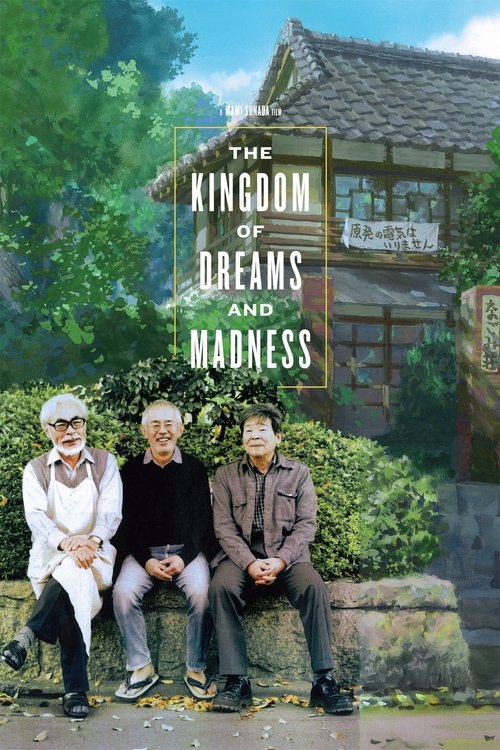
Follows the behind-the-scenes work of Studio Ghibli, focusing on the notable figures Hayao Miyazaki, Isao Takahata, and Toshio Suzuki.
Part two of Leni Riefenstahl's monumental examination of the 1938 Olympic Games, the cameras leave the main stadium and venture into the many halls and fields deployed for such sports as fencing, polo, cycling, and the modern pentathlon, which was won by American Glenn Morris.
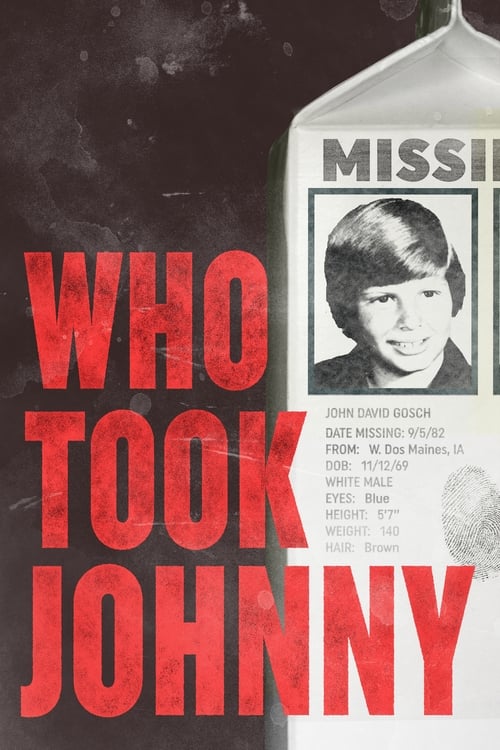
An examination of the infamous thirty-year-old cold case of Iowa paperboy Johnny Gosch, the first missing child to appear on a milk carton. The film focuses on Johnny’s mother, Noreen Gosch, and her relentless quest to find the truth about what happened to her son. Along the way there have been mysterious sightings, bizarre revelations, and a confrontation with a person who claims to have helped abduct Johnny.
In the mountains of Northern Thailand lies a boarding school. The students come from different tribes in the area and live together with their Thai teacher, grow their own crops and cook their own meals while continuing their education. The biggest question on their mind, having spent all their lives in the mountainside, is where the rivers running down the hills end. If they pass the final exams their reward is a trip to the end of the river, to the ocean itself. The children are poor, some orphans, and most of them only speak their tribe's language, but all try their best to pass the exams to be able to take the long-awaited trip. This trip is not only a journey from the children's villages to the ocean but also a journey that symbolizes the change from childhood to adulthood.
During the chaotic final weeks of the Vietnam War, the North Vietnamese Army closes in on Saigon as the panicked South Vietnamese people desperately attempt to escape. On the ground, American soldiers and diplomats confront a moral quandary: whether to obey White House orders to evacuate only U.S. citizens.
Over seven decades, actor and activist George Takei journeyed from a World War II internment camp to the helm of the Starship Enterprise, and then to the daily news feeds of five million Facebook fans. Join George and his husband, Brad, on a wacky and profound trek for life, liberty, and love.
2007
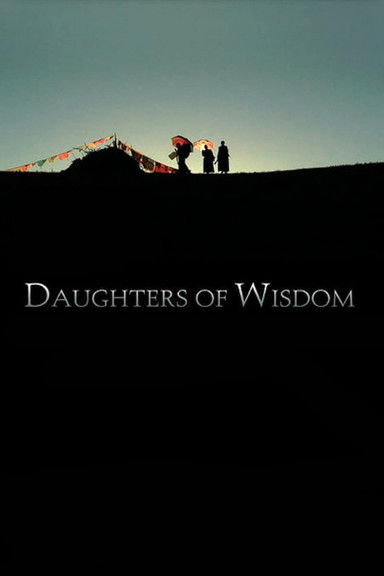
An intimate portrait of the nuns of Kala Rongo, a rare and exceptional Buddhist Monastery exclusively for women situated in Nangchen, in remote and rural northeastern Tibet. These nuns are receiving religious and educational training previously unavailable to women, and playing an unprecedented role in preserving their rich cultural heritage even as they slowly reshape it. They graciously allow the camera a never-before-seen glimpse into their vibrant spiritual community and insight into their extraordinary lives. Some shy, some outspoken, all are committed to the often difficult life they have chosen, away from the yak farms and herding families of their birth. It is the story of their spiritual community, one that couldn't have existed 20 years ago but is thriving today.