1953
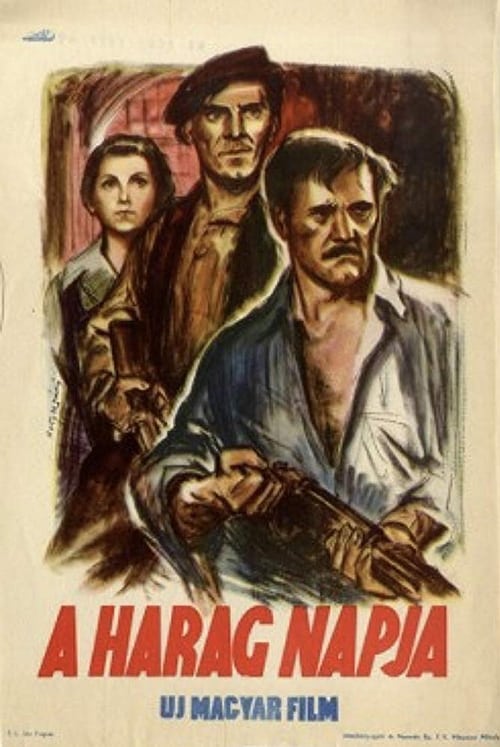
In May 1919 in a small rural town beside Salgótarján the local high society wants to get the power back with the leadership of dr. Máriáss, exploiting the outside attack launched against the Republic of Councils.
1954
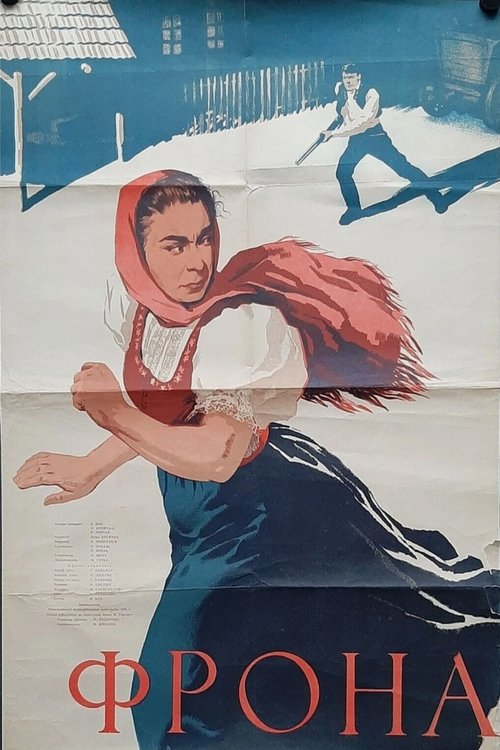
Frona Filípková, out of a desire for a better life, married Floriš Zobač on the land. However, the ownership of the land has affected both her husband and her father-in-law, who, out of hatred, intrigue against the emerging agricultural cooperative and against each other, so Frona looks for a way to free herself.
1955
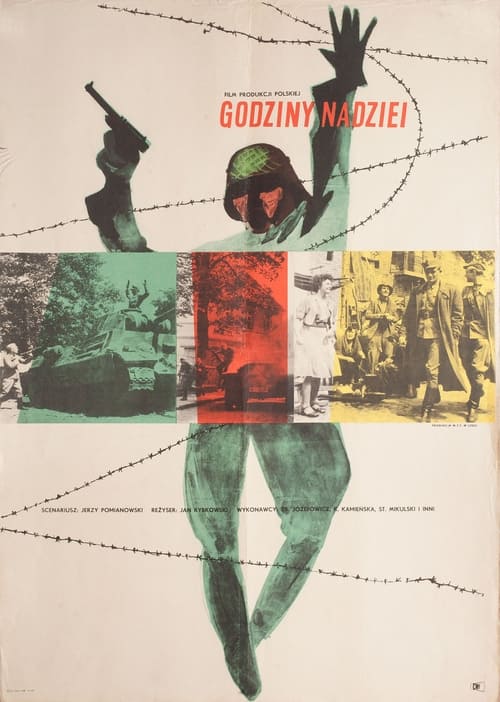
In the last days of World War 2, people of various ethnic background meet in a Polish military hospital in a small German town, whereas a Nazi SS division hides in the local forests and tries to move westwards.
1949
The Czech revival movement is divided at the end of the first half of the 19th century. While the older generation, such as František Palacký, urges restraint, students lean towards radical positions. A report on the revolutionary events in Paris prompts Czech Prague residents to write down the demands of the Czech nation for self-determination and the proclamation of a constitution. Tensions peak during the All-Slavic Congress in Prague's Žofín. Vienna rejects the Czech demands and the congress is brutally dispersed by the Austrian police. Prague begins to build barricades...
1950
A socialist drama from the time of the February coup. The owner of the brickyard will use several workers before February in order to subvert worker solidarity and continue to do his black business. However, the vigilance of a young, aware worker prevents him from doing so.
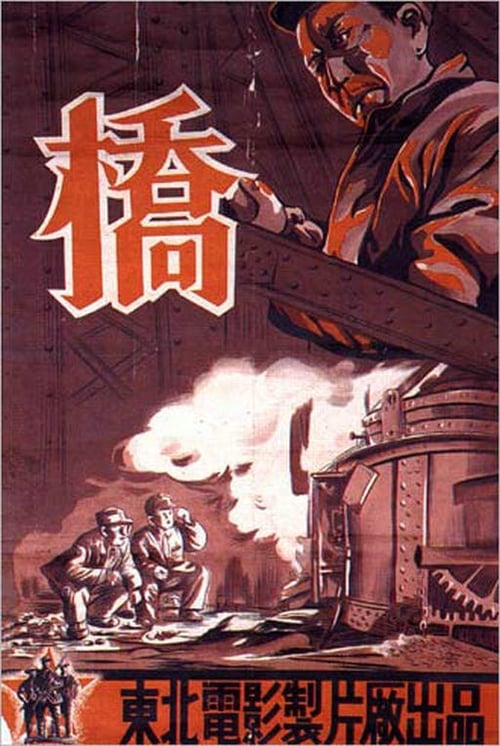
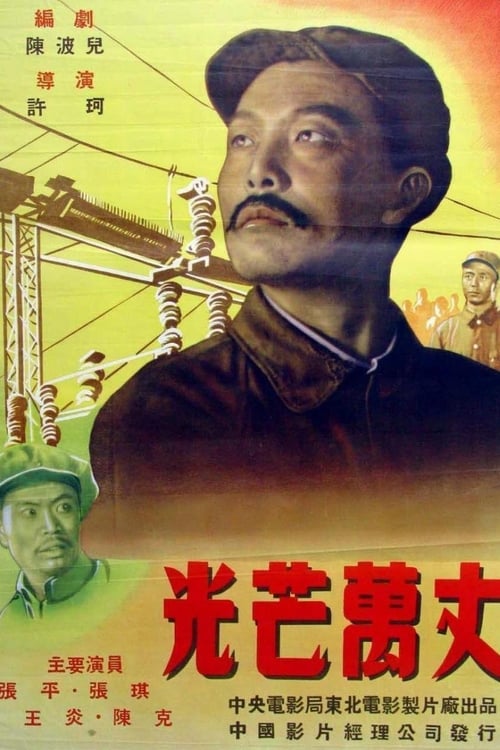
Zhou Mingying, a worker at a power plant in Northeast China, united her fellow workers under the leadership of the Party, overcame all difficulties, demonstrated a high degree of creativity, exposed the enemy's plots and sabotage, and quickly repaired the generators that had been damaged by the Kuomintang, ensuring the supply of electricity.
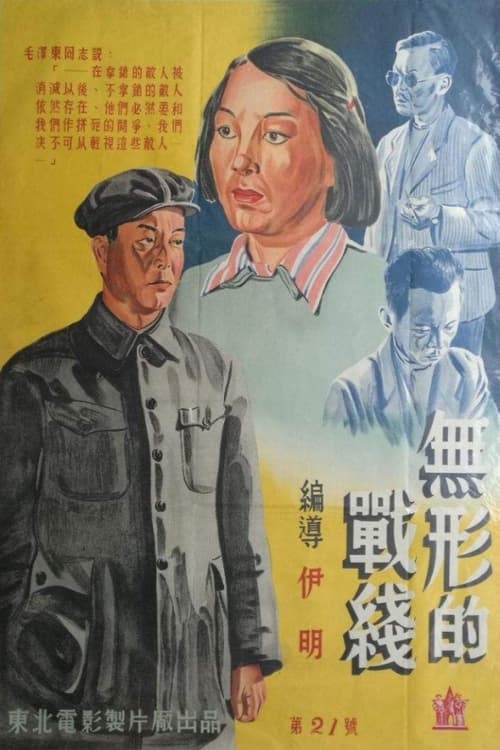
In 1948, after the Northeast was liberated, enemy sabotage began. The Public Security Bureau learned that spy Li Tianmin had infiltrated the city. Bureau chief and Captain Zhang quickly deployed personnel to capture him. Li Tianmin evaded key questions during interrogation. Clues were found on a milk bottle cap delivered by a boy, who passed it to another spy, Zhou Shaomei. Under surveillance, Zhou Shaomei, fearing Li Tianmin’s capture, killed the boy to erase evidence. Intelligence personnel mobilised the masses, pressuring the hidden enemies. Many deceived individuals provided clues, ensnaring the enemies in the people’s war.
1948
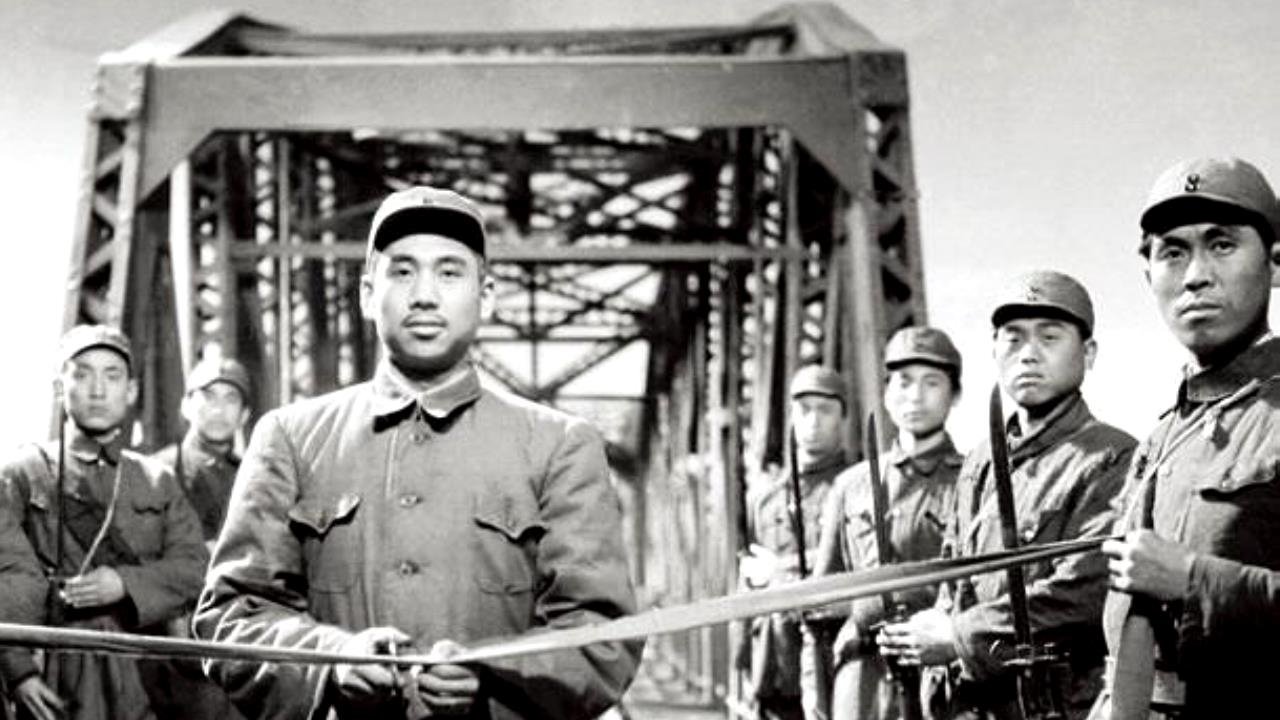
Building a bridge is no simple matter. The city council has to decide between two competing proposals, one of which is submitted by villainous scoundrels and scoundrels who would like to enrich themselves everywhere. Although the film was made before the communist coup, it already anticipates the political diction of the stories that the approaching Stalinist period will produce.
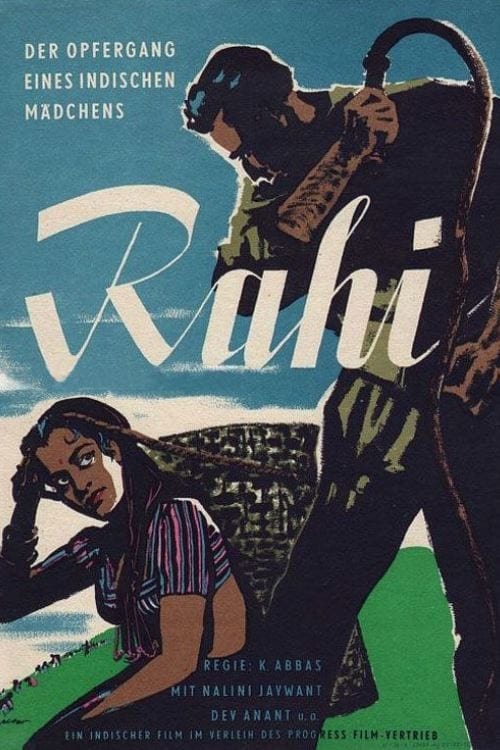
After leaving British Army Ramesh joins a tea plantation as a supervisor, where he is required to harass Indians. Gradually his heart changes and falls in love with local girl and revolts against his British employer.
Karwowski, son of a pre-war colonel, is transferred from the West to Poland with the task of assembling a spy and diversion network. The task seems to be easy. However, after landing in Poland, it turns out that nobody wants to cooperate with him. Karwowski's "100% reliable" contacts with potential collaborators turn out to be completely outdated.
1941
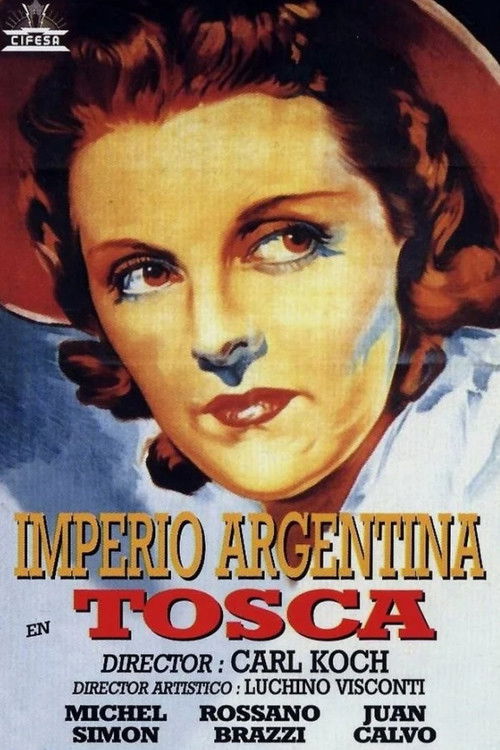
Non-musical account of Puccini's opera: Tosca and Cavaradossi are in love, but the tyrant Scarpia desires Tosca and oppresses Cavaradossi who is fighting for freedom.
In a settlement in the northern mining country. The Marles, Bréhard and Gohelle families wake up and prepare for a new day at work. The young engineer Larzac, newly appointed to the mine, will soon oppose the authoritarian and conservative methods of his superior Dubard. Georges Gohelle would like to marry Marie Bréhard, but housing difficulties thwart their plans. Brezza, a Polish immigrant, who must return to his country, would like to hate his marriage to Louise Gohelle. Roger, Marie's little brother, has just turned 14. He does not want to go down to the mine as his elders have always done. He will however have to resign himself to it. Marles evokes for him the social struggles of 1906. Roger is injured during a landslide. In front of his family and his friend Marles, who had come to the hospital, he announced his decision to continue his profession. Larzac, invited to the Marles, reveals that he refused a quiet position at the Charbonnages de Paris. He too stays.