1971
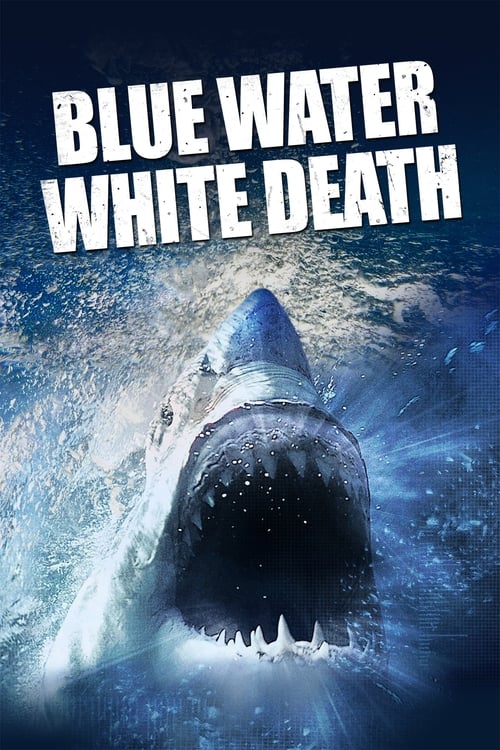
Peter Gimbel and a team of photographers set out on an expedition to find and film, for the very first time, Carcharodon carcharias—the Great White Shark. The expedition lasted over nine months and took the team from Durban, South Africa, across the Indian Ocean, and finally to southern Australia.
2023
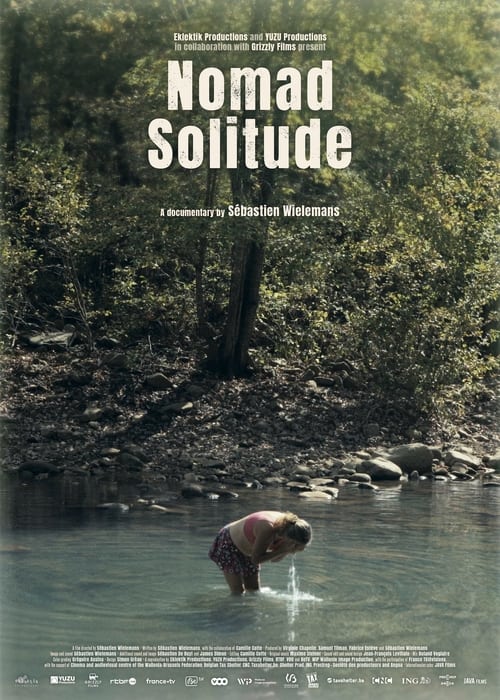
In their vehicle, Laurie, Kristy and Linda live alone on the American roads. Like thousands of modern American nomads who can no longer afford to pay for their housing. With no money to spare, these three sixty-year old women are fleeing, in their own way, a part of their history that has left a deep mark on them. Driving away, they try to regain some form of peace. But as the miles and seasons pass, despite their impressive temerity and resilience, their quest for a better future is challenged by unexpected events that hit a country in crisis. Will they nevertheless manage, at the end of the road, to find the serenity they are looking for, in order to become someone again?
2006
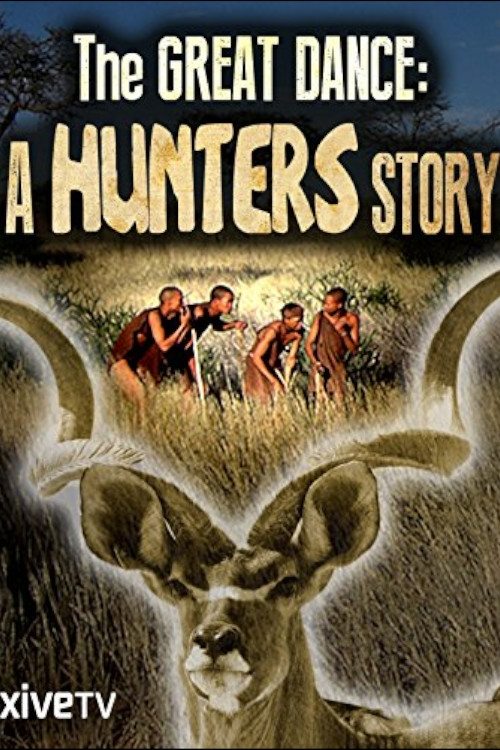
British actor Michael York narrates filmmaker Paula Ely's thought-provoking examination of the San people of southern Africa, a culture rooted in the Kalahari Desert that's survived for some 80,000 years but now faces all-out extinction. Also known as Bushmen, these inherently peaceful people are now grappling with the encroachment of modern society. In the process, their ancestral ways are vanishing.
1940
Documentary profiling an Appalachian farming family struggling to scrape out a living. Linking education and economic development, The Children Must Learn suggests that better schooling, especially in agricultural techniques, would bring improvement.
2007
For millenniums, Aborigines used tracking to survive. Their ancient skills now help police capture murderers and save people's lives. Will modern technology replace an art based on the intimate bond between man and nature?
Nisa Ward’s film seeks to expose the hidden realities of hunting – via footage of hunters’ aggressive interactions with hunt monitors and their effect on other inhabitants of the countryside – and show what a repeal of the ban would mean.
2019
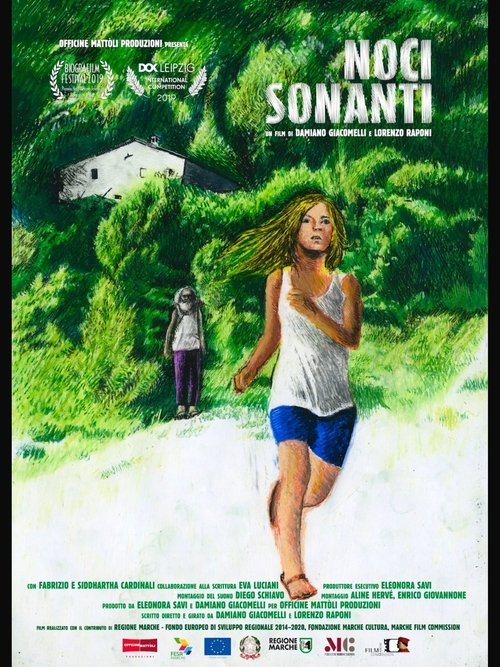
Siddharta and Fabrizio, one of them nine years old, the other one 65, are the core of a community that renounces every civilising comfort. We are their guests – for one summer.
2020
Follow filmmakers as they capture the epic journey of African elephants across the Kalahari desert. The team faces extreme weather, inaccessible terrain, crocodile-infested waters and close encounters with lions in order to shine a light on these remarkable creatures and their ancient migrations.
1949
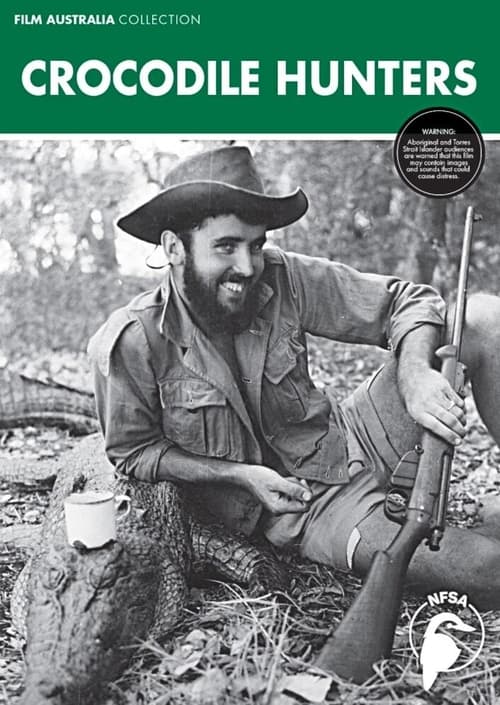
In the estuaries and lagoons of the Northern Territory, freshwater and saltwater crocodile are hunted for their hides by both Indigenous and non-Indigenous hunters. This film shows Aboriginal people using age-old hunting techniques to land crocs either for food or for skins. The methods employed by the professional hunters, who earn as much as 3000 pounds during the season, are also depicted, followed by a brief look at how the hides are skinned and prepared before being transported to the leather factories of Sydney and Melbourne.
Sixteen-year-old Jewel Wilson is the next generation in a long line of prolific Inupiat subsistence hunters in Unalakleet, Alaska. Her ability to hunt moose is hindered by two pressing issues – scarce wildlife and the pressures of high school life. Finding sufficient food competes with track practice and homework in Jewel’s multilayered world. Along with her father, Jewel turns to the land to feed their family and finds that their village’s way of life is endangered by the same environmental shifts that could affect us all. In hunting moose, we see that Jewel is also hunting for answers. How will her village survive if subsistence hunting is threatened? Can she honor the traditions of her Elders while navigating the pressures and anxieties of a modern, connected teenager? "Jewel’s Hunt" proves to be both physical and philosophical in this insightful exploration of what it means to come of age in complicated times in Unalakleet, Alaska.
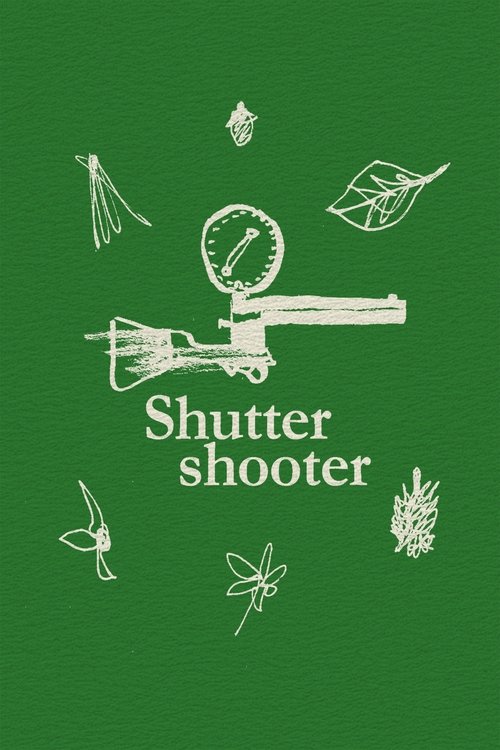
Etienne-Jules Marey, a French inventor who turned a gun into a camera. A hand-drawn hunter whose weapon, instead of firing ammunition, shoots photographs. Carlos, a Mexican wildlife photographer who used to be a real life hunter until he chose to get rid of all his guns. All come together in this poetic yet approachable animated documentary short film.
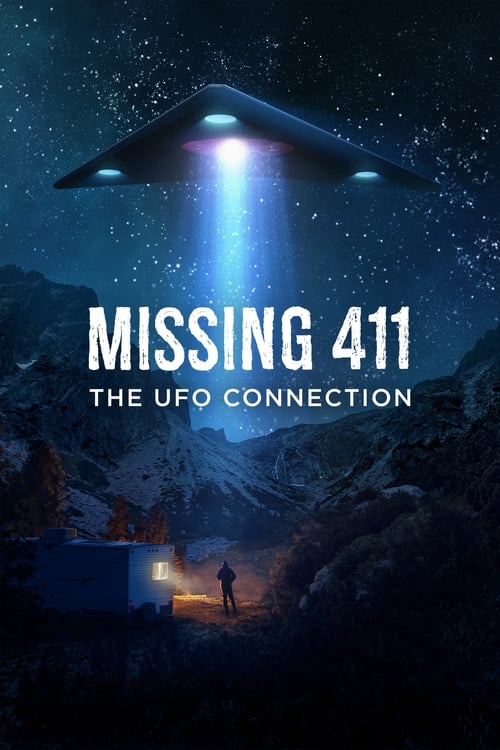
In Missing 411: The UFO Connection, David Paulides continues the story of people who vanish in the wild without a trace. In his third documentary, David reveals the first evidence documenting a link between UFOs and missing people.