1969
A silent succession of black-and-white photographs of the city of Montreal.
1927
A day in the city of Berlin, which experienced an industrial boom in the 1920s, and still provides an insight into the living and working conditions at that time. Germany had just recovered a little from the worst consequences of the First World War, the great economic crisis was still a few years away and Hitler was not yet an issue at the time.
2025
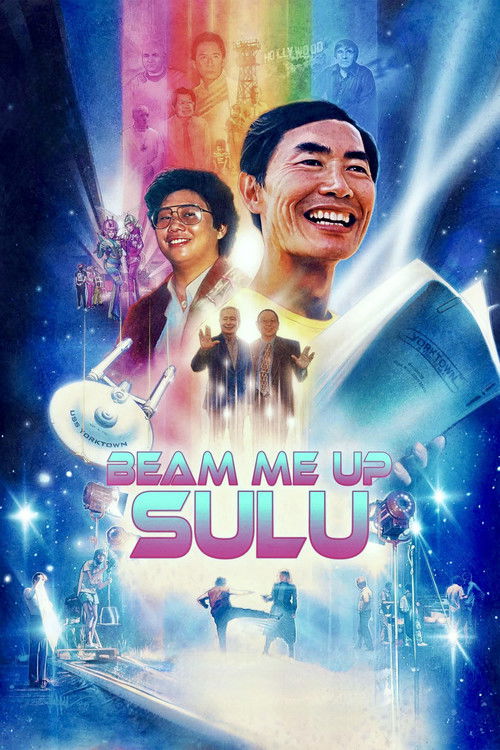
In 1985, Star Trek's George Takei joined a group of dedicated fans to make a student film deep in the California forest—only for the footage to mysteriously vanish. Nearly 40 years later, Beam Me Up, Sulu unearths this lost film, revealing not just a piece of fan history but a broader story of representation, resilience, and the ongoing fight for inclusion in media and society.
1925
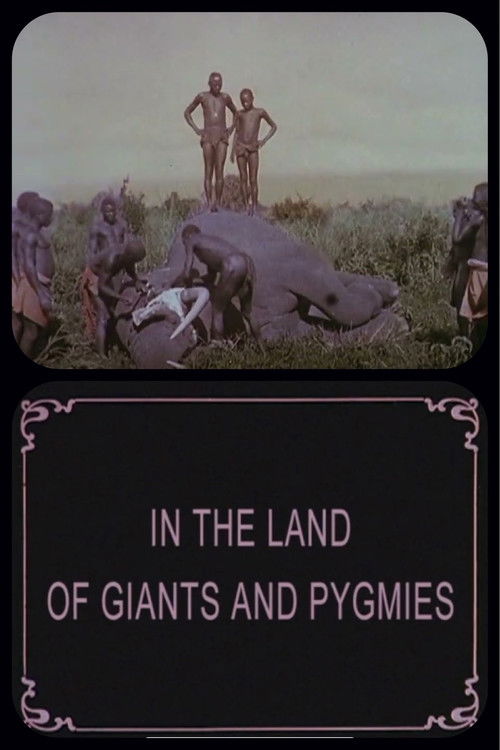
IN THE LAND OF GIANT PYGMIES, a diary of Aurelio Rossi's 1925 trek into the immense Belgian Congo, preserves a long-gone-Colonial-era wonder at natural resources, "primitive" tribes, customs and costumes in Europe's cast African possessions, and implies that the "dark continent" could benefit from the "civilizing" influences of home.
1904
Buster Brown creater R.F. Outcault sketches his creation. Part of the Buster Brown series for Edison film studio.
1922
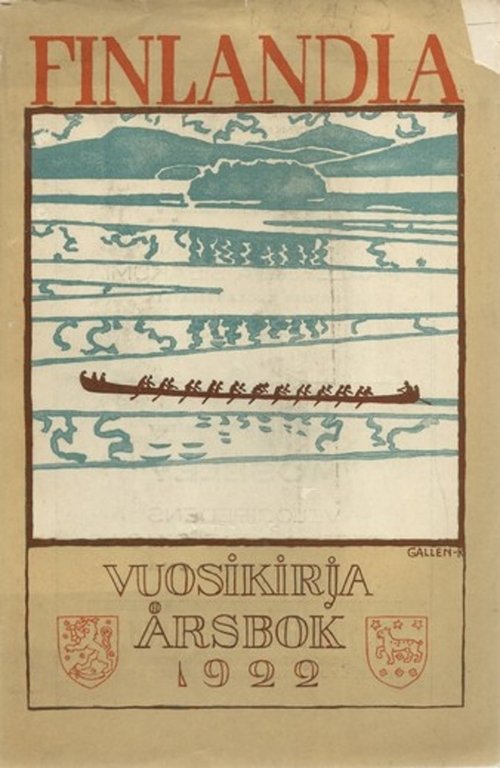
A documentary from Erkki Karu, one of the earliest pioneers of Finnish cinema: This government-produced propaganda film introduces the nature, sports, military, agriculture and capital of Finland.
An account of the journey that King Alfonso XIII of Spain made to the impoverished shire of Las Hurdes, in the province of Cáceres, in the region of Extremadura, in 1922.
1891
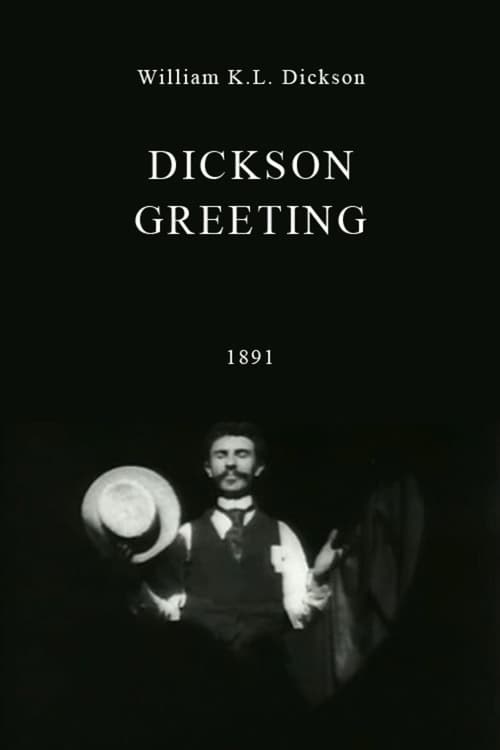
William K.L. Dickson brings his hat from his one hand to the other and moves his head slightly, as a small nod toward the audience. This was the first film produced by the Edison Manufacturing Company to be shown to public audiences and the press.
1965
A brief portrait of famous and brave bullfighter Manuel Benítez el Corbobés; an account on still photos of his triumphs and failures.
Experimental film fragment made with the Edison-Dickson-Heise experimental horizontal-feed kinetograph camera and viewer, using 3/4-inch wide film.
1912
Footage shot during Japanese Army Lieutenant Nobu Shirase’s second Antarctica expedition.
1940
Second attempt to create a feature film out of the 200,000-plus feet of film which Soviet film-maker Sergei Eisenstein shot during 1931-32 in Mexico for American socialist author Upton Sinclair, his wife and a small company of investors. The projected film, to be called "Que Viva Mexico", was never completed due to exhaustion of funds and Stalin's demand that Eisenstein return to the USSR (he had been absent since 1929). The first attempt at editing the footage, in the USA, resulted in "Thunder Over Mexico", released in 1934. In 1940, Marie Seton, from the UK, acquired some of the footage from the Sinclairs in an attempt to make a better cutting according to Eisenstein's skeletal outline for the proposed film. This film has apparently been lost.