2021
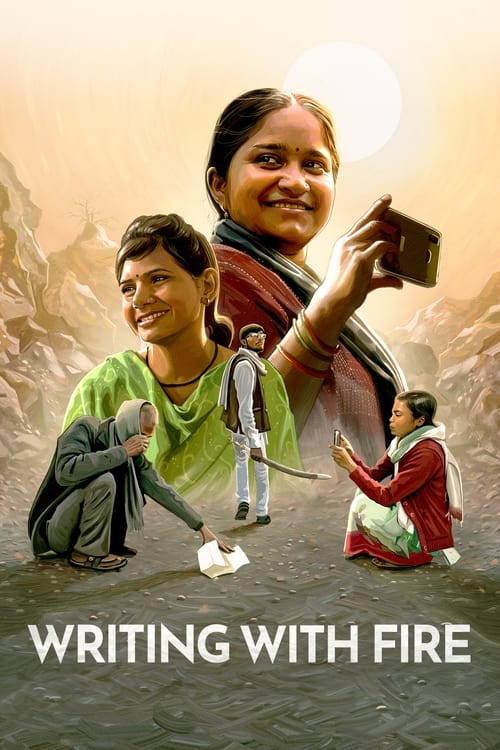
In a cluttered news landscape dominated by men, emerges India’s only newspaper run by Dalit women. Armed with smartphones, Chief Reporter Meera and her journalists break traditions on the frontlines of India’s biggest issues and within the confines of their own homes, redefining what it means to be powerful.
2023
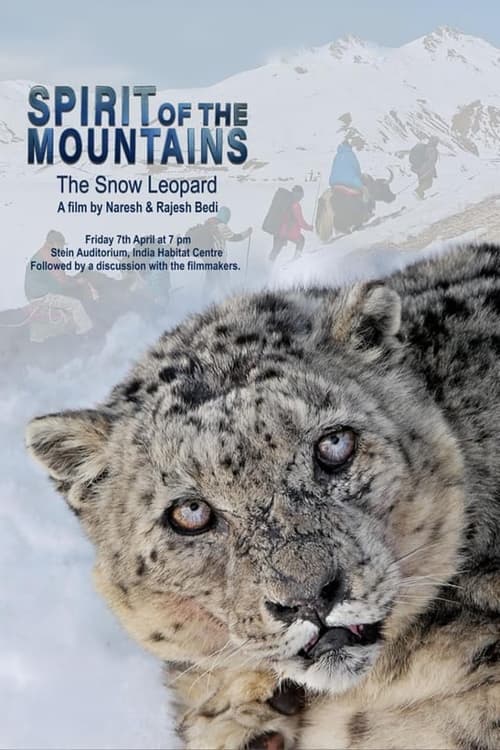
The charismatic Snow Leopard is the least understood of all the big cats and one of the most challenging to film. Over a period of five years, veteran Indian wildlife filmmakers, Naresh and Rajesh Bedi endured extreme cold and the thin air of the Himalayas in their daunting quest to reveal the secret lives of these elusive predators, ultimately with great success.
1985
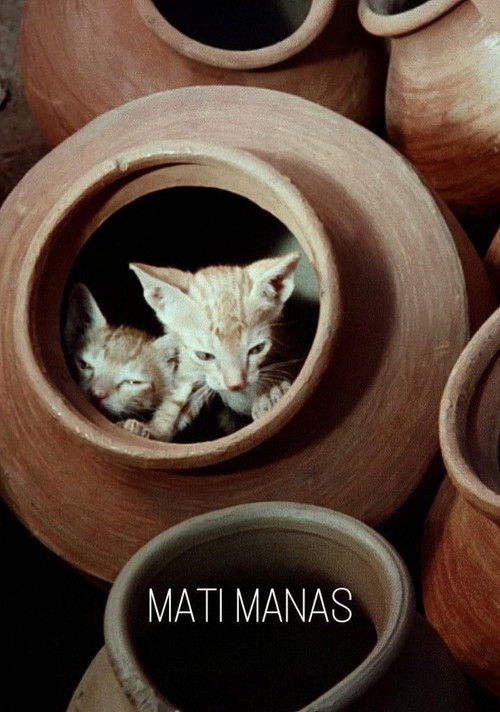
In a poetic hour and a half, director Mani Kaul looks at the ancient art of making pottery from a wide variety of perspectives.
2012
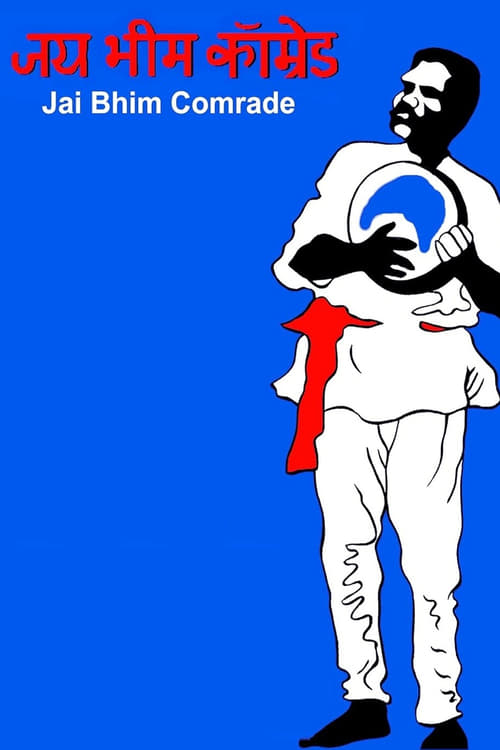
Dalits, in the Indian caste system, belong to the lowest social sphere and are therefore subject to regular discrimination and violation of their basic human rights. Also referred as “untouchables,” this group was vindicated by B. R. Ambedkar, a Dalit who earned doctorate degrees abroad and fought for the emancipation of his people. In 1997 a statue honoring him was desecrated, unleashing the rage of the Dalit community, but instead of getting support by the authorities, ten persons were murdered. This documentary took 14 years to be made and it captures the music and poetry of this people, showing a tradition against superstition and religious bigotry that has strived since the times of Buddha.
2009
Each night the only border crossing between India and Pakistan on a 1000km stretch becomes the sight of an extraordinary event. Thousands of people gather to witness the ritual closing of the border, after which the masses get as close as possible to the gate to greet their former neighbors. This "festival" is therefore on the one hand a celebration of the partition, but on the other hand also the only connecting element. What do the terms separation, home and proximity mean to the people on both sides?
2017
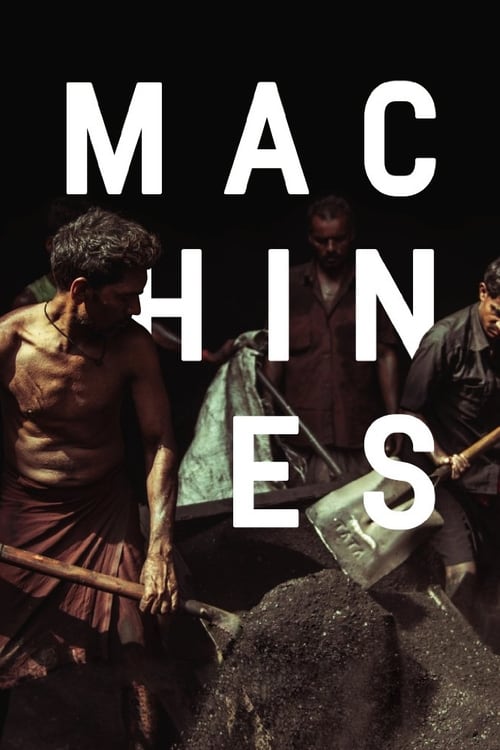
This portrayal of the rhythm of life and work in a gigantic textile factory in Gujarat, India, moves through the corridors and bowels of the enormously disorienting structure—taking the viewer on a journey of dehumanizing physical labor and intense hardship.
1992
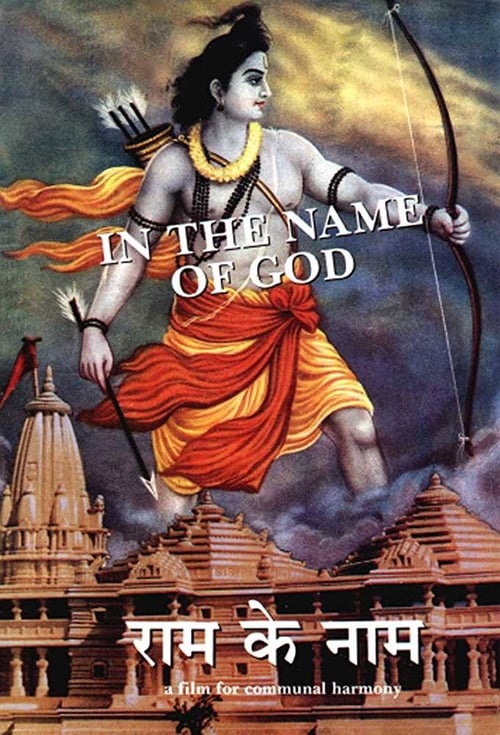
The film explores the campaign waged by the Hindu right-wing organisation Vishva Hindu Parishad to build a Ram temple at the site of the Babri Masjid in Ayodhya, as well as the communal violence that it triggered. A couple of months after Ram ke Naam was released, VHP activists demolished the Babri Masjid in 1992, provoking further violence.
2007
An ascetic walks through the narrow streets of a village every morning while his family is still asleep. In his semi-somnolent state he dreams about the history of the village mixing up myths, folklore and facts.
1994
Filmmaker Anand Patwardhan looks to history and psychology as he delves into the possible reasons behind the demolition of the Babri Mosque.
2024
Follows the final days of Chika Kapadia, given four months to live, who has chosen to end his life through physician-assisted suicide at Dignitas in Switzerland. The filmmakers, tasked with documenting Kapadia’s countdown to death, capture both his journey and their own emotional response.
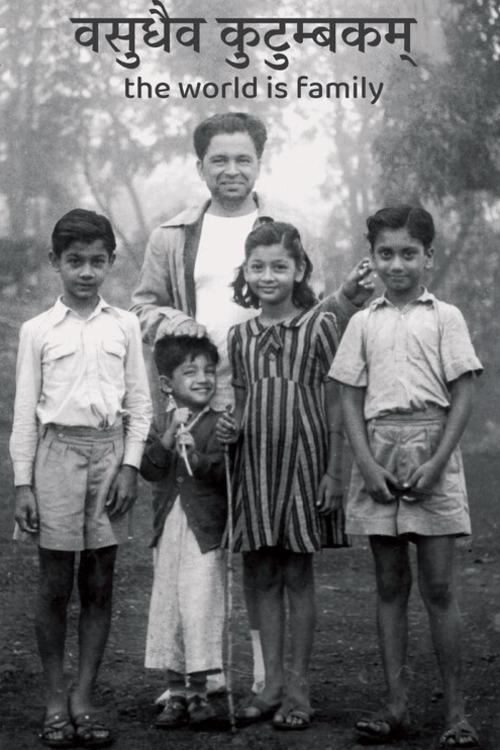
Esteemed documentarian Anand Patwardhan directs a portrait of his parents, whose families were intertwined with Gandhi and India’s independence movement. His view on history extolls unity between Hindus and Muslims, a value that needs reasserting in modern politics.
Offers an exclusive behind-the-scenes look at the making of the critically acclaimed film 12th Fail. Featuring Vikrant Massey and visionary director Vidhu Vinod Chopra, the documentary reveals the untold challenges, meticulous efforts, and sheer determination that shaped the movie's success. From Massey's commitment to authenticity-aging his costumes himself-to Chopra's relentless pursuit of excellence, Zero Se Restart captures the resilience and teamwork essential to creating cinematic magic.