1969
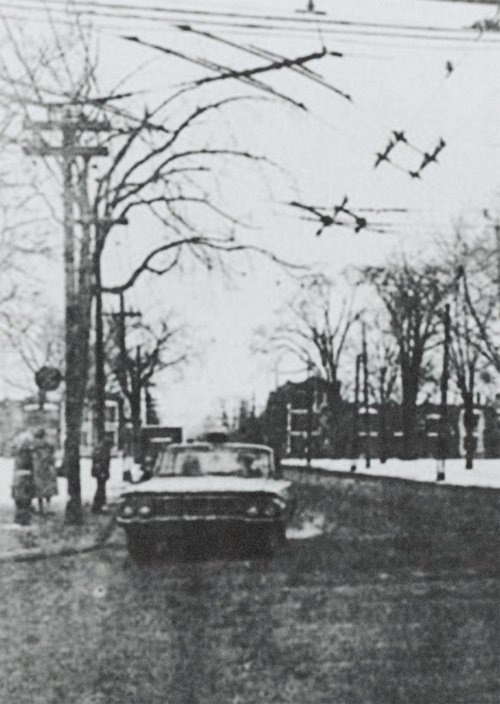
A silent succession of black-and-white photographs of the city of Montreal.
1964
SONG 5: A childbirth song (the Songs are a cycle of silent color 8mm films by the American experimental filmmaker Stan Brakhage produced from 1964 to 1969).
1970
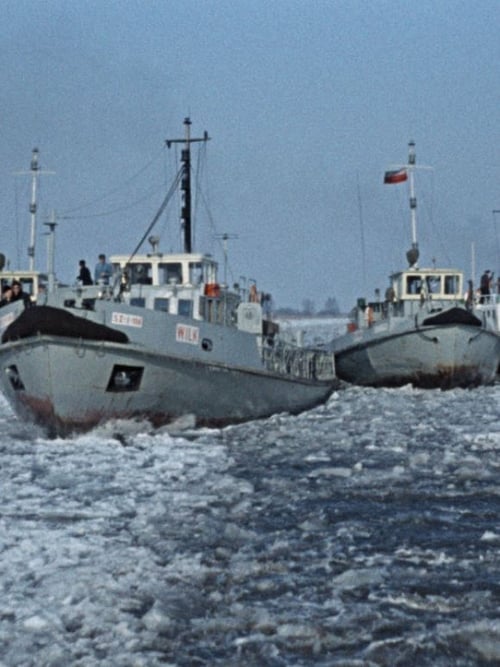
Documentary reports on the annual icing of the Oder in the 160-kilometer border area between the GDR and the People's Republic of Poland. Icebreakers from both countries with experienced skippers join forces to make the international waterway between Frankfurt and Szczecin navigable again. Everyone works hard as a team and even a broken-down ship cannot stop them from achieving their goal. A look back at the winter of 1947 with its flooding shows what the freezing of the river and the subsequent thaw can do if the ice floes are not drained into the Baltic Sea via Lake Dammsch in good time. The skippers from both countries have known each other for years and trust each other; the camaraderie that has developed on the Oder unites the people, they control the river in winter for the common benefit of all.
1972
An experimental sports film made partly during the Scandinavian Open Championships in Halmstad in 1970, partly during the Chinese players' exhibition tour in Denmark immediately after the SOC. First of all, it is a film about their style, about the artistic culmination that is ping-pong at its best, it records China's comeback into the international sports world.
Hotel Armada is a curated portrait of dance and expression showcasing talents in the world of contemporary, vogue, and ballet. It is an integration of time, space, movement and sounds highlighting each performer's rawness in their power and beauty.
2002
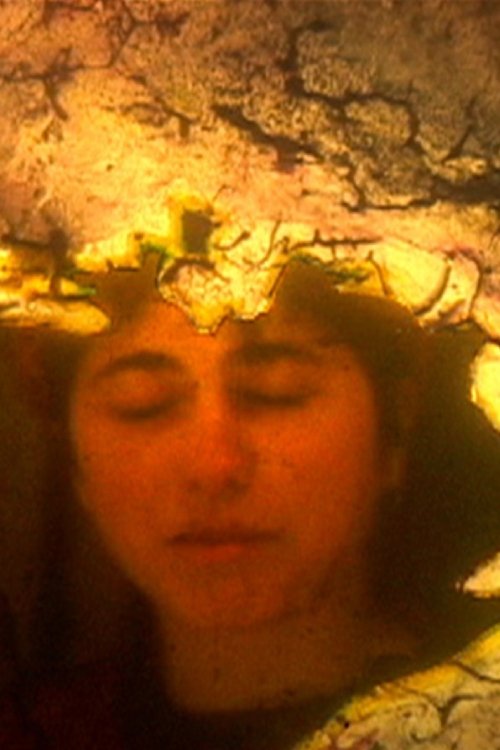
An unearthed time capsule consisting of footage of the maker's youthful self – an “exquisite corpse” with nature as collaborator. Bourque buried random out-takes from her first three films (all staged productions dealing with her family) in the backyard of her ancestral home (adjoining the grounds of a former cemetery) with the ambivalent intentions of both safe-keeping and unloading them (she was relocating). Upon examining the footage five years later she found that the material contained images of herself captured during the making of her first film. That discovery seemed handed over like a gift and prompted the making of this film, a metaphysical pas-de-deux in which decay undermines the image and in the process engenders a transmutation.
1989
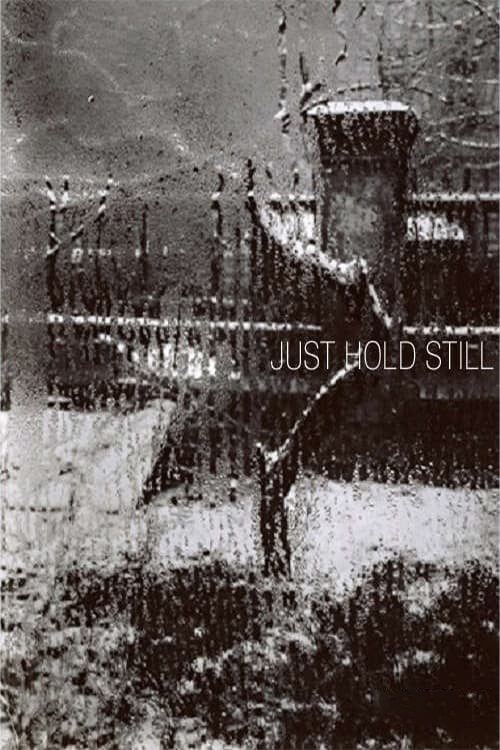
In his New York City landscape, Cohen finds inspiration in disturbance. Looking to life for rhythm and to architecture for state of mind, he locates simple mysteries. Just Hold Still is comprised of an interconnected series of short works and collaborations that explore the gray area between documentary, narrative, and experimental genres.
2017
Works with sound recordings of Dion McGregor, who became famous for talking in his sleep.
H*ART ON dives off the deep end of modern art. A film about the yearning to create, to mould everyday emotions into a meaningful life and, most of all, to live beyond one's death. A struggle that gets to the existential core of each of us. How do you find meaning in everyday fear, love, sex and loneliness?
2003
In 1967, experimental filmmaker Jorgen Leth created a striking short film, The Perfect Human, starring a man and women sitting in a box while a narrator poses questions about their relationship and humanity. Years later, Danish director Lars von Trier made a deal with Leth to remake his film five times, each under a different set of circumstances and with von Trier's strictly prescribed rules. As Leth completes each challenge, von Trier creates increasingly further elaborate stipulations.
1975
The rare short film presents a curious dialogue between filmmaker Julio Bressane and actor Grande Otelo, where, in a mixture of decorated and improvised text, we discover a little manifesto to the Brazilian experimental cinema. Also called "Belair's last film," Chinese Viola reveals the first partnership between photographer Walter Carvalho and Bressane.
1967
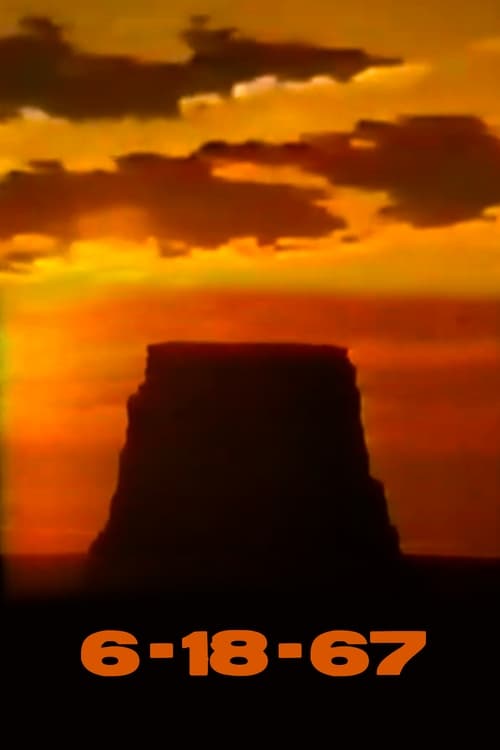
Filmed during the production of the Columbia Pictures western "Mackenna’s Gold," this short work presents a non-narrative visual study of the Arizona desert. Rather than documenting the film set itself, "6-18-67" assembles landscape images, time-lapse photography, and ambient sound into an abstract record of place and duration.