2024
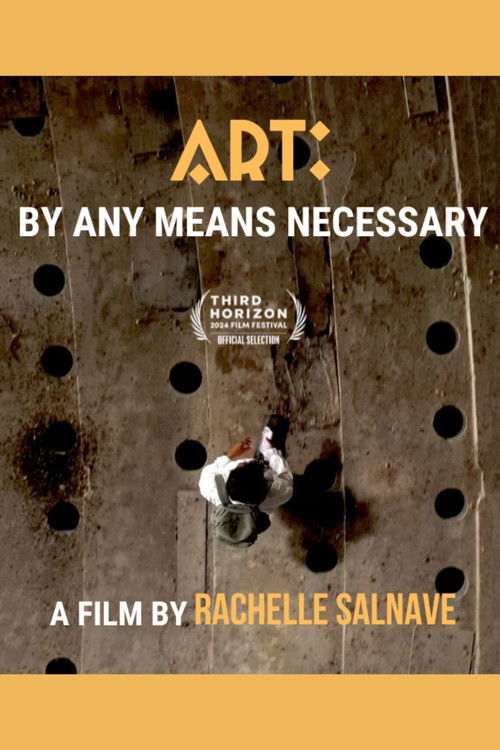
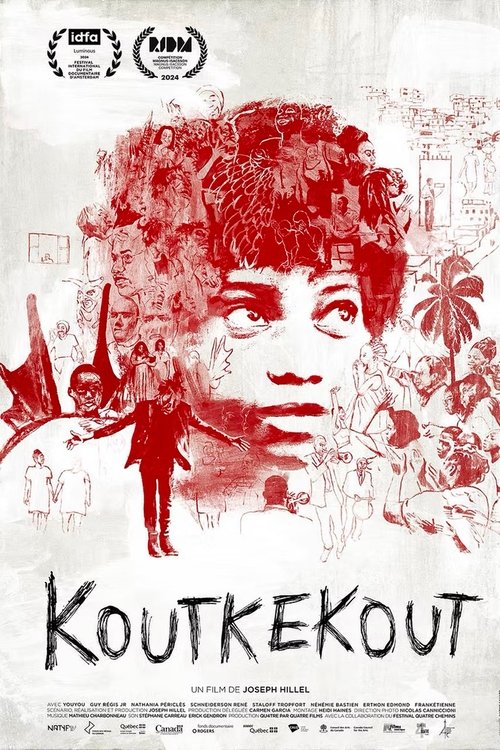
Follows the defiance of two art institutions in the Caribbean: one closed but squatted by artists, the other fighting to stay open. Against the backdrop of political strife, Haitian and Guadeloupean artists grapple with the concept of freedom in their battle to preserve their spaces.
2026
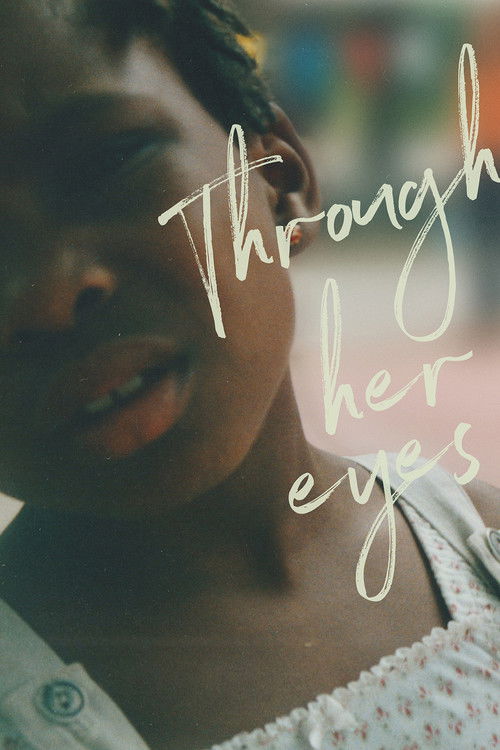
In an effort to understand where she came from, Fabiola asked a question that became the central phrase of the film: what would my life have been like if I'd stayed in Haiti? Taking as her starting point her biological mother's precarious economic situation, she had no choice but to entrust her daughter to her care. Fabiola could have ended up restavek, or in a loving foster family, or on the streets abandoned to her fate, or adopted abroad.
1964
This black-and-white film is a loving portrait of Santiago de Cuba and its people. It provides a view of Cuba as a picturesque country, the product of an earthy mix of black and criollo cultures. The film uses historical images which portray the end of the eighteenth century when Haitian slave owners fled with their slaves to Cuba after the Haitian Revolution.
2018
A short visual poetic film on a Haitian migrant stranded in Tijuana, Mexico.
2025
An acting ensemble rehearses for an upcoming theater festival. They rig up stage scenery and practice dialogue and set pieces in the middle of a residential area. But this is no ordinary theater setting, as evidenced by the armed guards at the entrance. Festival 4 Chemins is taking place in Port-au-Prince, the capital of Haiti. Gangs are active in the city; you can hear machine-gun fire in the distance.
2017
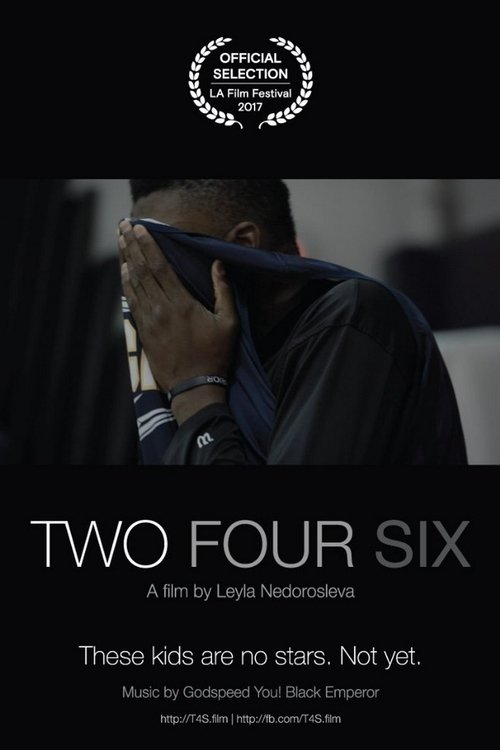
Set mainly in present day Dallas, Texas and Port-au-Prince, Haiti, this film features three main characters at three different stages of the same process. Supported by a nonprofit, these extremely tall teenagers come to the United States from Haiti using basketball as means to get an education and help their own country change.
Living Memories is a documentary film that traces the history of the director’s neighborhood and native country, Haiti, through a personal and engaged perspective. Brick by brick, through encounters and wanderings throughout Port-au-Prince’s neighborhoods, archival photos, graffiti, and animations, the filmmaker introduces us to architect Léon Mathon and the residential architecture of the early 20th century. Over the ruins of her family home, Dominique, the director's mother, an architect like her father and grandfather before her, searches through her memories and significant places for traces of the past and the history of her country. Many of her landmarks are no longer there. From this tragedy arises a quest — a need to reconnect memory and history to understand the present better. The filmmaker follows her mother during her journey, capturing her reflections and conversations and documenting them to bring memories back to life.
2006
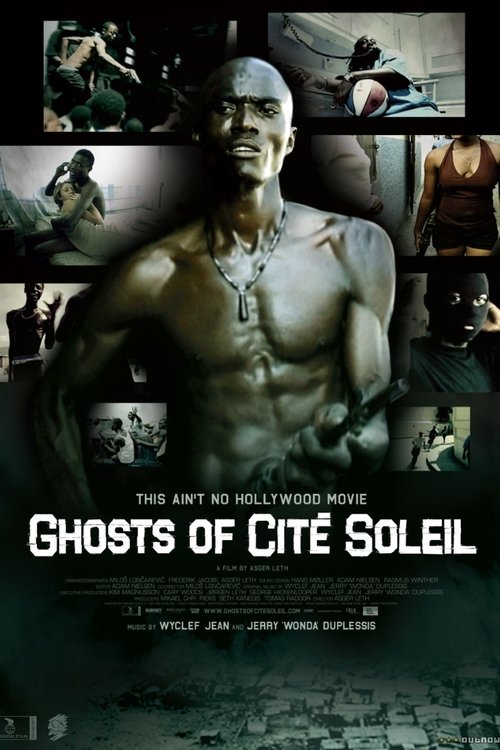
In the slum of Cité Soleil, President Aristide's most loyal supporters were ruling as kings. The five major gang leaders were controlling heavily armed young men; the Chiméres. The Secret army of President Jean-Bertrand Aristide. "Ghosts of Cité Soleil" is a film about Billy and Haitian 2pac. Two brothers. Gang Leaders of the Chiméres.
2019
Reflecting on the legacy of Haitian revolutionary Toussaint L’Ouverture, "Ouvertures" follows a collective’s process of translating Édouard Glissant’s play Monsieur Toussaint from French to Creole.
2008
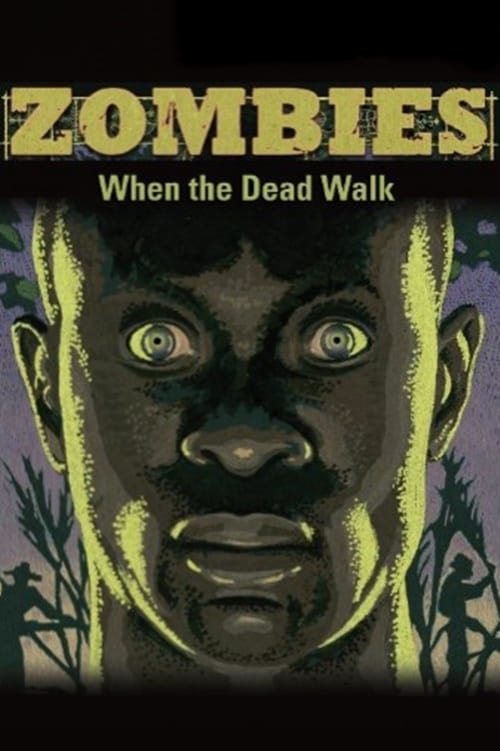
Zombies are part of pop culture, but what are they? Where do they come from? To find real zombies we visit Haiti where Zombies are an integral part of the island's cultural and religious roots.
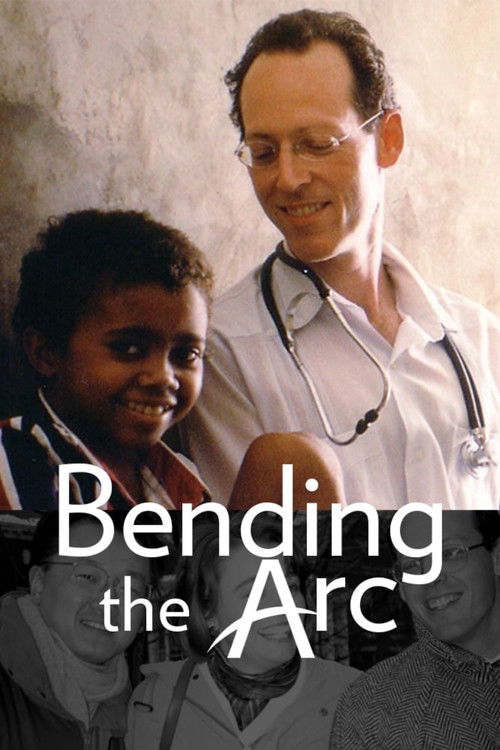
About the extraordinary doctors and activists—including Paul Farmer, Jim Yong Kim, and Ophelia Dahl—whose work 30 years ago to save lives in a rural Haitian village grew into a global battle in the halls of power for the right to health for all.
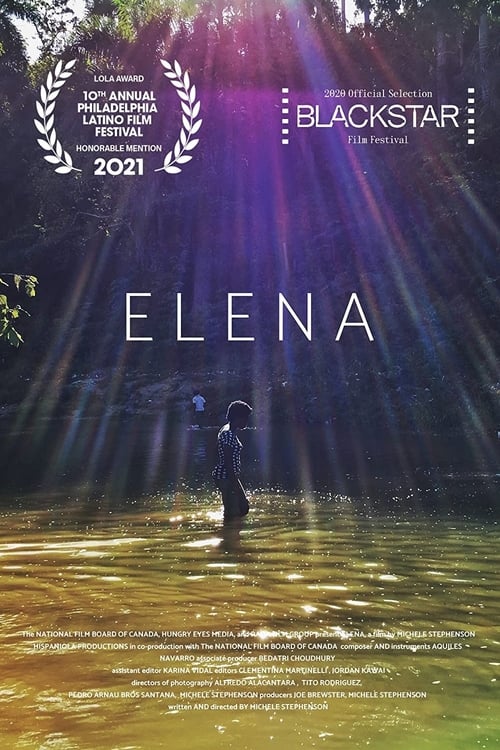
2021
In 1937, tens of thousands of Haitians and Dominicans of Haitian descent were exterminated by the Dominican army, on the basis of anti-black racism. Fast-forward to 2013, the Dominican Republic's Supreme Court stripped the citizenship of anyone with Haitian parents, retroactive to 1929, rendering more than 200,000 people stateless. Elena, the young protagonist of the film, and her family stand to lose their legal residency in the Dominican Republic if they don't manage to get their documents in time. Negotiating a mountain of opaque bureaucratic processes and a racist, hostile society around, Elena becomes the face of the struggle to remain in a country built on the labor of her father and forefathers.