2019
"Hello. I'm Itami Jun. I apologize for my poor Korean." Itami Jun (Yoo Dongryong), a Korean architect who was born in Japan. This film follows his life through heartwarming architectures for people that he had tried for all his life. The architecture of time that exists for the people, space and the story of an architect who walked his own way between Korea and Japan, Shimizu and Jeju.
1977
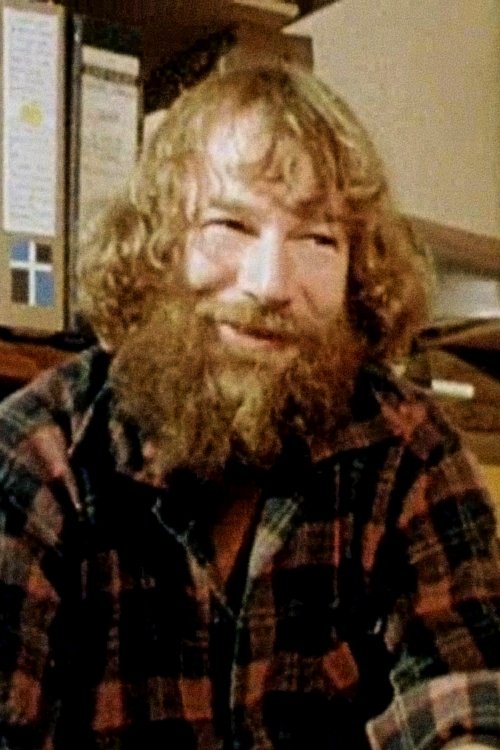
Examines the practical philosophy, the achievements and frustrations of one of New Zealand's most lively and innovative architects, Ian Athfield. The film provides a portrait of the architect and his work both in New Zealand and his project to design housing for 140,000 squatters from the Tondo area of Manila in the Philippines, for which Athfield won an international competition in 1975.
2004
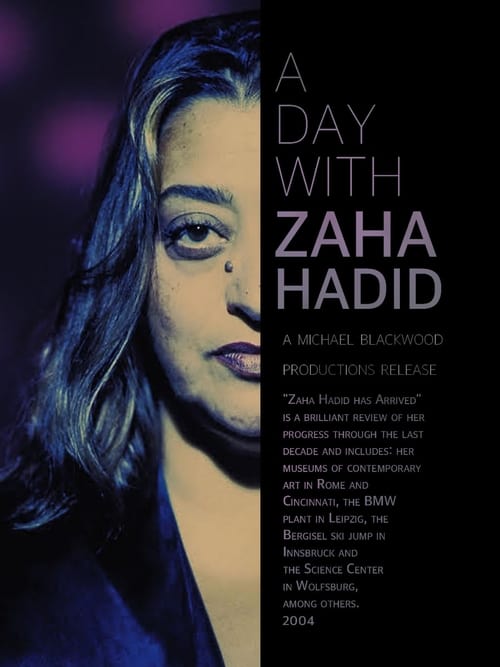
While guiding us through her retrospective exhibition “Zaha Hadid Has Arrived”, the renowned architect recalls her career from its beginning, discussing her education, inspiration and technique. The exhibition, located at The MAK in Vienna, features a new sculpture from Hadid entitled “Ice Storm” that serves as the centerpiece of the show and captures her sleek signature. From her famed Bergisel Ski Jump to Rome’s Museum of Contemporary Art, Hadid’s architectural resume shines in its diversity and exploration. A Day with Zaha Hadid reviews Hadid’s work of the last decade and celebrates her perpetually modern and daring designs.
2001
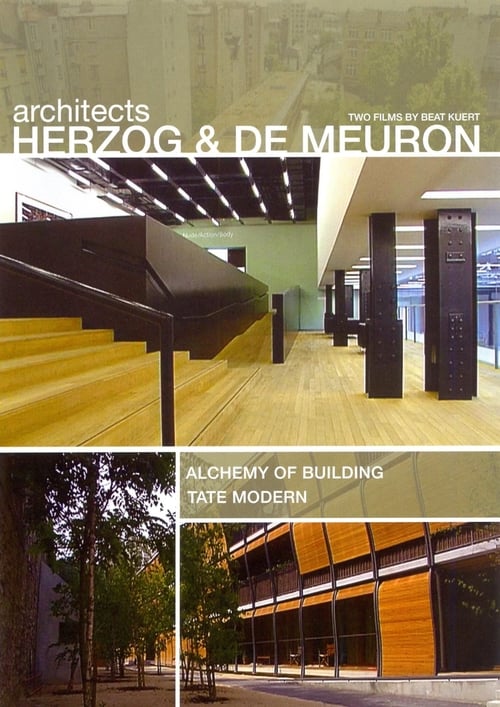
Visiting examples of Herzog and de Meurons ground-breaking style, this film reflects their capacity to astonish and explore the way in which they transform what might otherwise be ordinary through new treatments and techniques.
2008
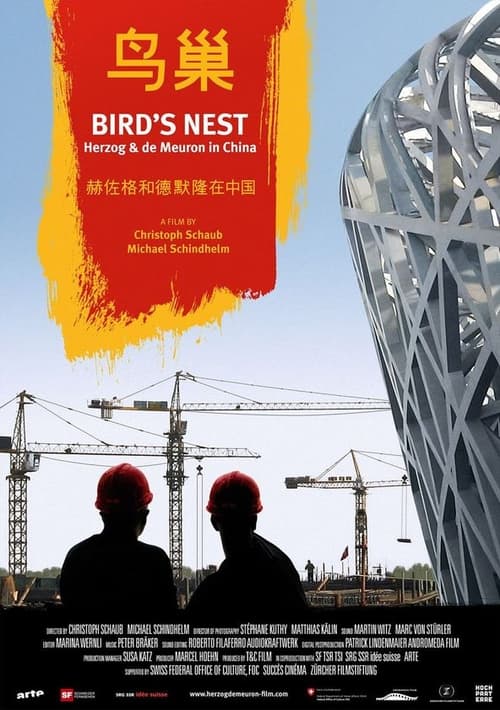
Schaub and Schindelm’s documentary follows two Swiss star architects, Jacques Herzog and Pierre de Meuron, on two very different projects: the national stadium for the Olympic summer games in Peking 2008 and a city area in the provincial town of Jinhua, China.
1966
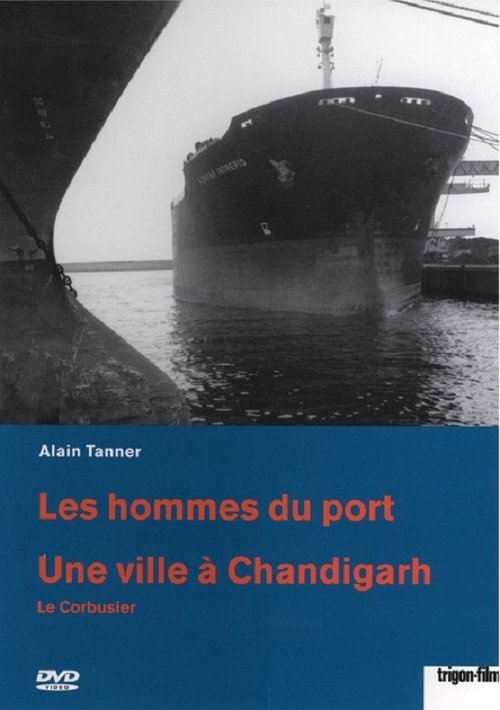
Documentary on the construction of Chandigarh, the new capital of the Indian Punjab region, planned by Albert Mayer and Swiss architect Le Corbusier.
2018
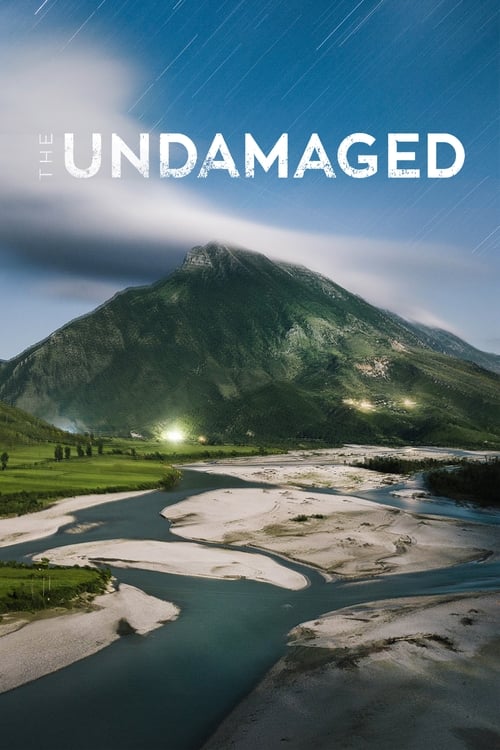
The Balkans cradles Europe's last wild rivers and supports abundant wildlife and healthy, intact ecosystems. These rivers are "The Undamaged" – clean, pristine, and undammed. With over 2,700 small and large hydro power plants planned or under construction in the Balkans, corruption and greed are destroying the last free-flowing rivers of Europe. Follow the Balkan Rivers Tour, a rowdy crew of whitewater kayakers, filmers, photographers and friends who decided to stand up for the rivers, travelling from Slovenia to Albania for 36 days, kayaking 23 rivers in 6 countries to protest the dams and show the world the secret wild rivers of the Balkans. The film honours everyday people and local activists who are fighting to defend rivers and aims to spread the word of the plight of these rivers, showing a new style of nature conservation that is fun, energetic and effective.
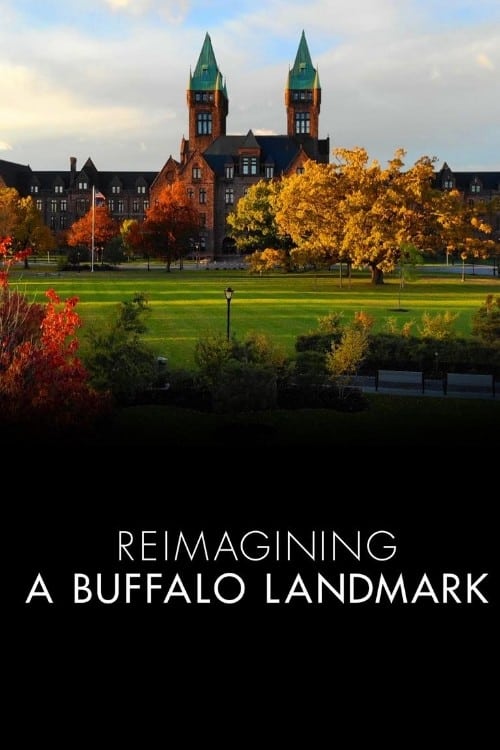
The Richardson Olmsted Campus, a former psychiatric center and National Historic Landmark, is seeing new life as it undergoes restoration and adaptation to a modern use.
1986
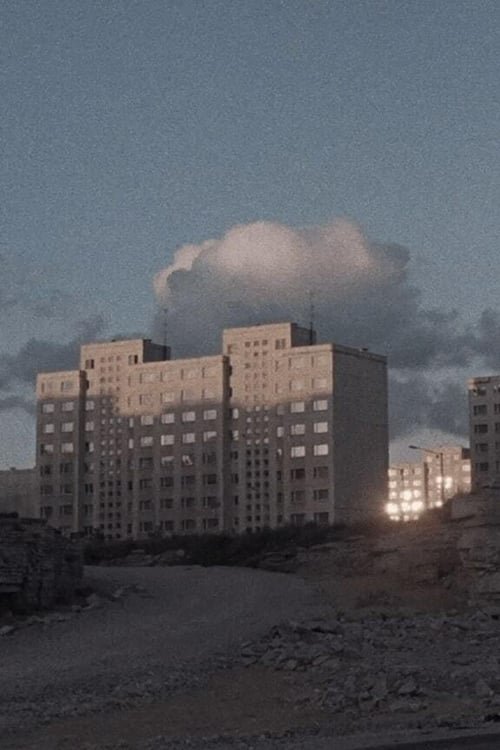
The director asks straightforward questions in a phone call to the lead architect of the district of Lasnamäe, Malle Meelak. The topics include the bureaucracy, planning and living quality in the brutalist district of panel houses. He gets surprisingly straightforward answers because Meelak doesn't know that the call is being recorded. Later, in a public interview conducted in front of the camera, Meelak's answers are quite different.
2016
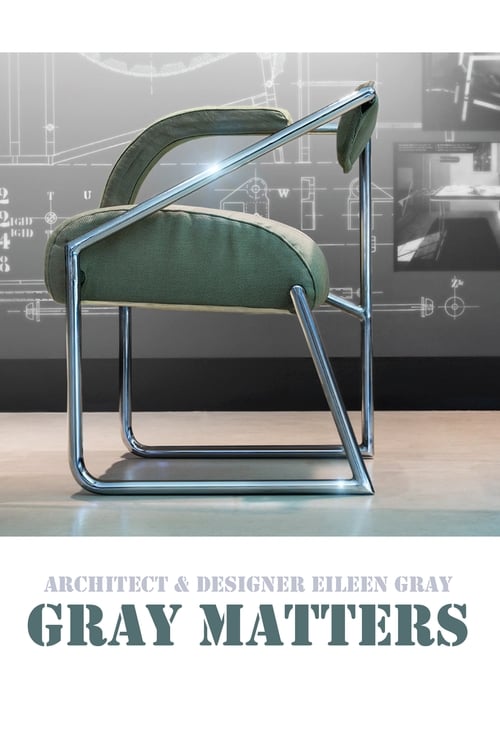
Gray Matters explores the long, fascinating life and complicated career of architect and designer Eileen Gray, whose uncompromising vision defined and defied the practice of modernism in decoration, design and architecture. Making a reputation with her traditional lacquer work in the first decade of the 20th century, she became a critically acclaimed and sought after designer and decorator in the next before reinventing herself as an architect, a field in which she laboured largely in obscurity. Apart from the accolades that greeted her first building –persistently and perversely credited to her mentor–her pioneering work was done quietly, privately and to her own specifications. But she lived long enough (98) to be re-discovered and acclaimed. Today, with her work commanding extraordinary prices and attention, her legacy, like its creator, remains elusive, contested and compelling.
1982
A film featuring architect, sculptor, and musician Nobuo Kubota in a sound-sculpture performance. From within a cage-like structure filled with traditional musical instruments and sound-making devices fashioned from ordinary objects and toys, Kubota creates an aural/visual montage of musical notes and noises. Praised by music educators as a valuable tool for teaching creativity in sound exploration and musical innovation, the film reveals the infinite percussion possibilities of simple objects and presents a portrait of a versatile performer whose imagination has led him far beyond the confines of conventional music. Directed by Jonny Silver - 1982 | 20 min
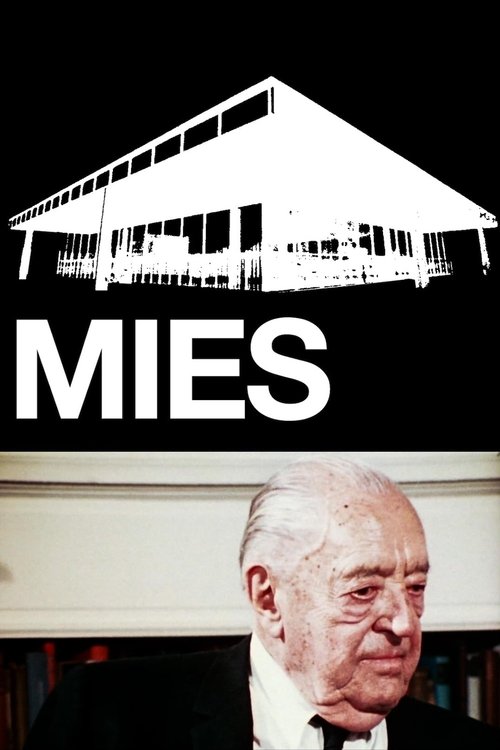
No understanding of the modern movement in architecture is possible without knowledge of its master builder, Mies van der Rohe. Together with documentation of his life, this film shows all his major buildings, as well as rare film footage of Mies explaining his philosophy. Phyllis Lambert relates her choice of Mies as the architect for the Seagram building. Mies's achievements and continuing influence are debated by architects Robert A.M. Stern, Robert Venturi, and Philip Johnson, by former students and by architectural historians. Mies is seen in rare documentary footage.