2020
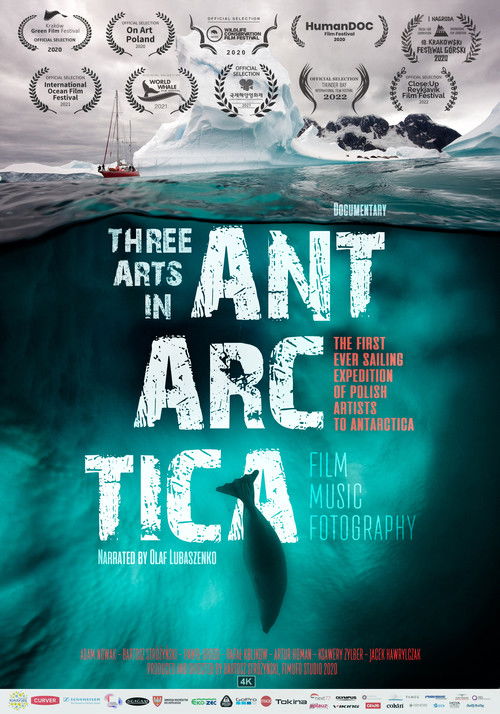
The documentary follows Polish artists on the first sailing expedition to Antarctica, their struggles, the first ever concert by Polish artists there, the first wet plate photography session & rare underwater encounters with leopard seals & other wildlife.
2008
400 years ago, in Japan, a revolutionary art was born and would influence the greatest Western artists of the late nineteenth century, the Ukiyo-E "floating images of the world." A wonderful trip in a world of beauty and discovery. The concept and objectives of this documentary are, on the one hand, to show, teach and discover Japanese art (Japanese stamps and prints) and, on the other hand, to demonstrate the influence of Japanese stamps on Western modern art, showing in comparison some of the Most famous paintings (impressionism or paintings by Van Gogh).
2013
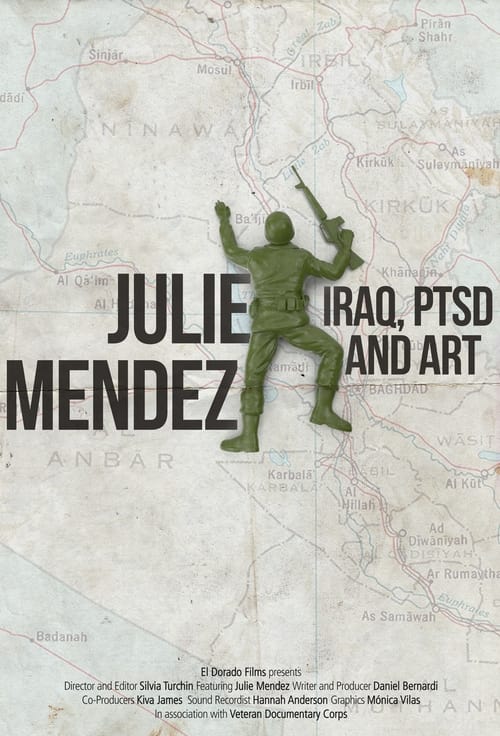
Julie Mendez was a 17 year old teenager when she saw the "be all that you can be" Army recruiting messaging and decided to enlist. Her life would change forever when she was deployed to serve in the Iraq War. Her experiences changed her and she returned home to face feelings of isolation and depression. Always a creative person, Julie turned to art to help her process her experiences and begin to heal her PTSD.
2014
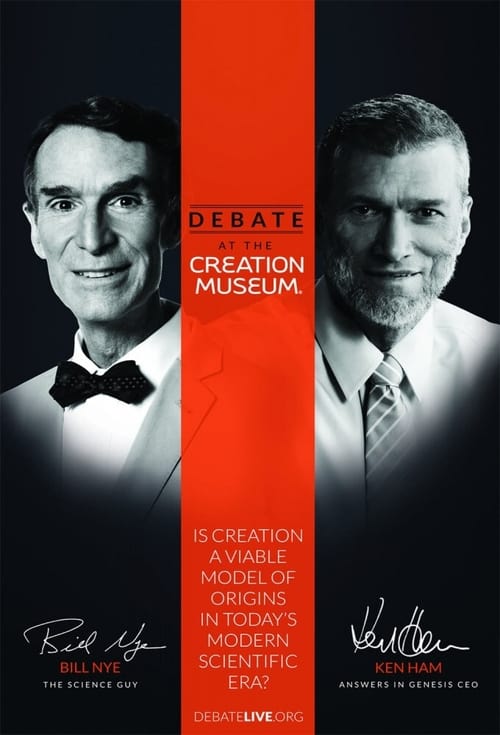
Bill Nye and Ken Ham debate whether creation is a viable model of origins in today's modern scientific era.
2005
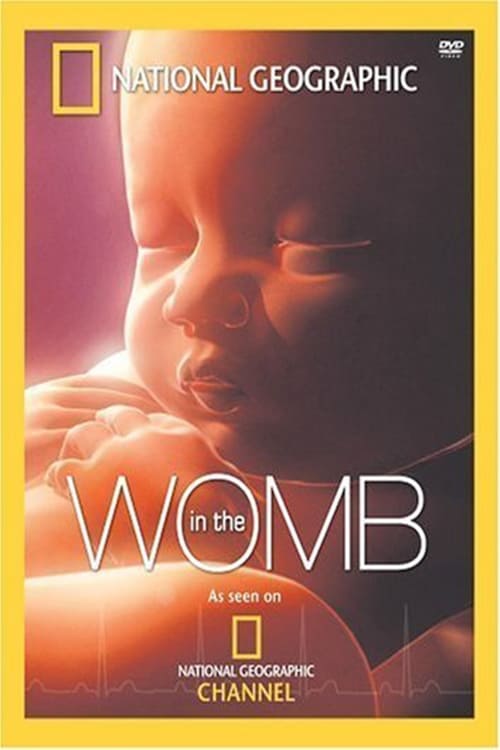
With cinematic storytelling, a moving musical score, computer animation, and 4D ultrasound images, this documentary accompanies a new human life from conception to birth, poetically describing developmental milestones and the human experience of living in a womb.
2000
In Astronomy Part 2, you will learn all about the planets, asteroids, comets, meteoroids, the layers of the sun, fusion, and more. The Standard Deviants make learning astronomy easier with their unique teaching style, which incorporates humor, mnemonics, and sophisticated computer graphics.
Physics is a system of models of nature according to which all phenomena are explained in terms of matter and force. Sound confusing? It doesn't have to be! Whether you need help with high school physics, need to review for a college physics class, or you're studying for the AP Physics Exam, this physics tutorial will help you understand the basics, such as Newton's Laws, the Law of Universal Gravitation, Kepler's Law and more.
1958
Poème Électronique is an 8-minute piece of electronic music by composer Edgard Varèse, written for the Philips Pavilion at the 1958 Brussels World’s Fair. The Philips corporation commissioned Le Corbusier to design the pavilion, which was intended as a showcase of their engineering progress. The pavilion was shaped like a stomach, with a narrow entrance and exit on either side of a large central space. As the audience entered and exited the pavilion, the electronic composition Concret PH by Iannis Xenakis (who also acted as Le Corbusier's architectural assistant for the pavilion's design) was heard. Poème électronique was synchronized to a film of black and white photographs selected by Le Corbusier which touched on vague themes of human existence.
2010
This 90-minute documentary brings to life Gavin Pretor-Pinney’s international bestseller, “The Cloudspotter’s Guide”, which draws on science, meteorology and mythology for a magical journey through the world of clouds. It is no dry treatise on the science of nephology but a playful trip through the varied beauty and distinctive personalities of the ten principal cloud types From the ethereal cirrus to the terrifying cumulonimbus, the film tells the story of the short but eventful life of clouds and their importance to our planet. Find out how immense quantities of water can stay up in the sky for so long and how lightning and thunder are created.
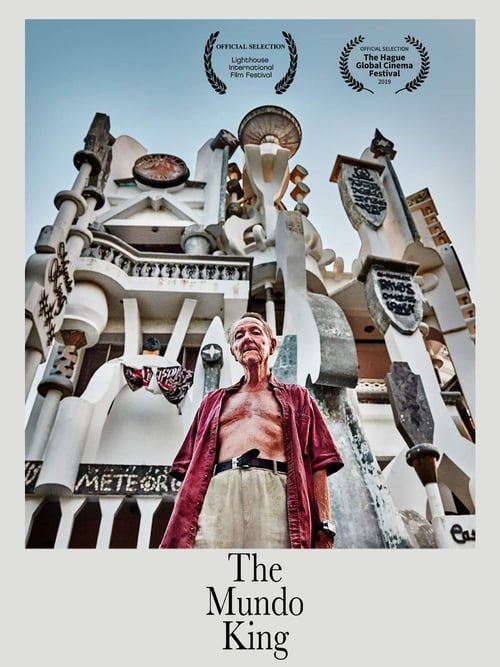
2019
Artist Rolf Schulz's pursuit to make his dreams come true through his endless toil to complete the majestic Mundo King Castle on a hill in the Dominican Republic
1994
A documentary edited from ORLAN's seventh surgery in the The Reincarnation of Sainte-ORLAN series which aired live, vis satellite from New York in 1993.
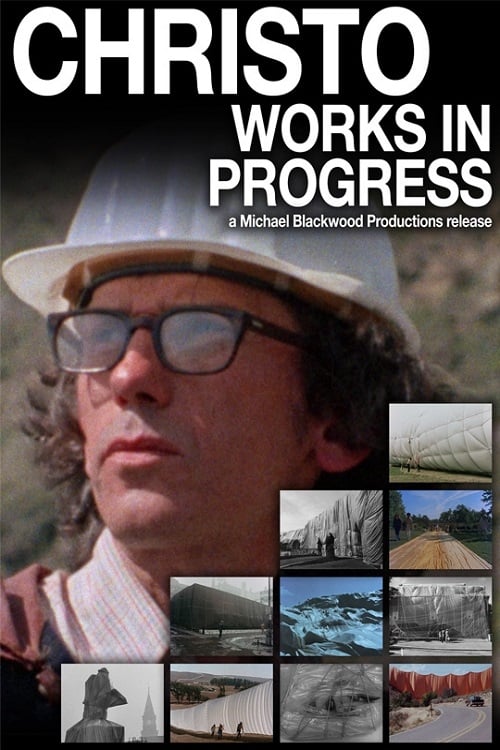
1974
“Christo: Works in Progress” takes us around the world on a showcase of the artist’s grand environmental installations. With both critique and praise from members of the communities that have hosted Christo and his works, the film takes a deep look into the process and outcome of pieces such as Wrapped Coast, Running Fence, and Wrapped Walkways. While discussing his inspirations and motives, Christo states, “The work of art is not the fabric, steel poles and cable, the work of art is the hills and the ocean, the sky, the gates, the rocks, the people, the light- this is the work of art.” (Christo Vladimirov Javacheff) Though his work may appear to be visually distracting from the landscapes he creates in, Christo’s aim is to bring attention to the land itself and encourage people to take note of their surroundings.