1927
A day in the city of Berlin, which experienced an industrial boom in the 1920s, and still provides an insight into the living and working conditions at that time. Germany had just recovered a little from the worst consequences of the First World War, the great economic crisis was still a few years away and Hitler was not yet an issue at the time.
2020
What’s it like to dedicate your life to work that won’t be completed in your lifetime? Fifteen years ago, filmmaker David Licata focused on four projects and the people behind them in an effort to answer this universal question.
1996
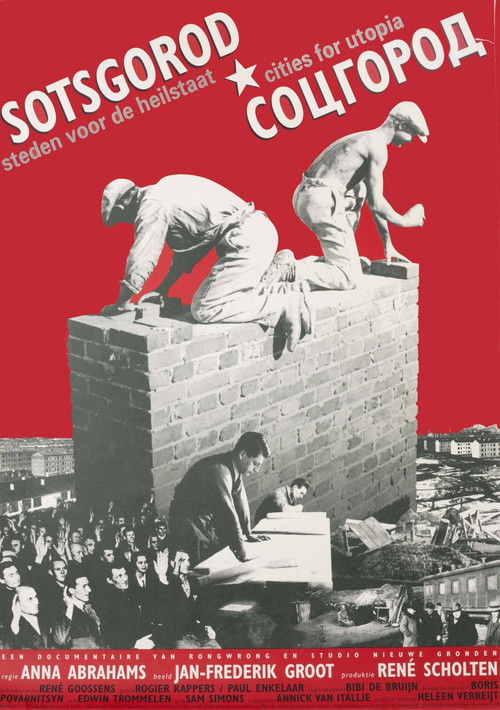
A 1996 Dutch documentary film about the Western European architects who were invited by the Soviet Union to construct “Socialist cities” in Siberia during the late 1920s and early 30s. The film draws on interviews of some of the last survivors of this time, including Jan Rutgers (of the Kuzbass Autonomous Industrial Colony), Margarete Schütte-Lihotzky (of the Ernst May group), and Philipp Tolziner (of the “Bauhaus Brigade”), and on letters, articles, and lectures written by those who have already died, including Hans Schmidt, Mart Stam, Johannes van Loghem, and Ernst May. It also follows the daily lives of contemporary residents of Magnitogorsk, Orsk, Novokuznetsk, and Kemerovo.
2017
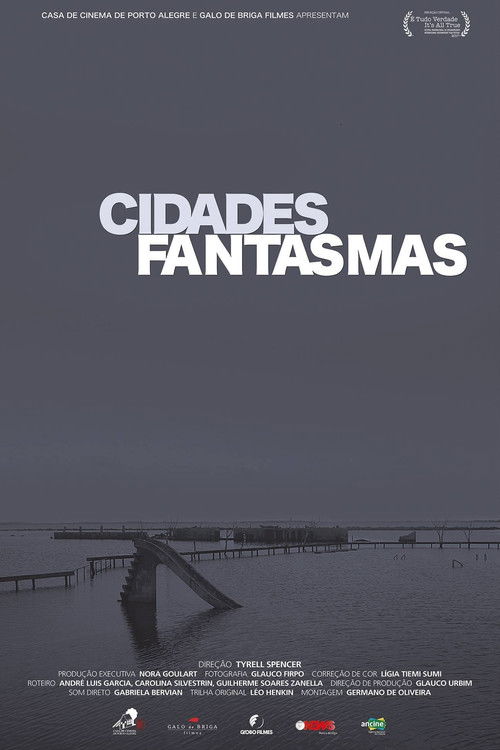
In Humberstone (Chile), little was left of the saltpeter's prosperity. Near the old Fordlandia (PA), squatter houses are the last signs of the city built by Henry Ford. Armero (Colombia), had its population wiped out by the eruption of the Nevado del Ruiz volcano in 1985. Twenty-five years after a flood, ruins of Villa Epecuén (Argentina) expose the remains of the old water station.
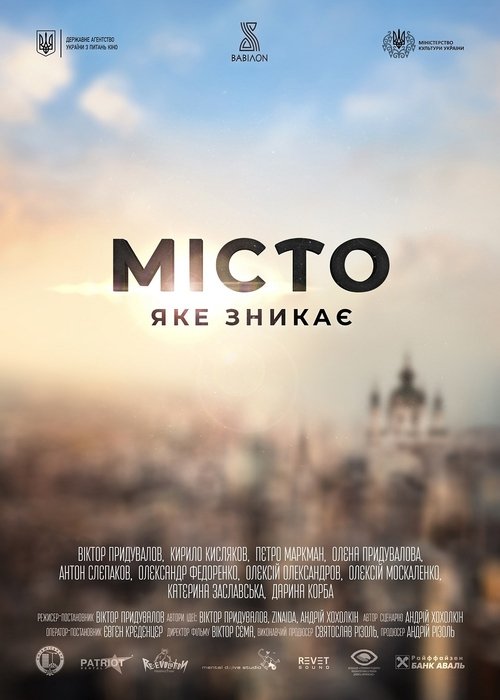
A docu-art film about Kyiv and the contemporary problems of the capital. The film raises the issue of the dilapidated state of Kyiv's old buildings and the search for effective mechanisms to preserve the city's architectural heritage.
2003
Sylvia Kristel – Paris is a portrait of Sylvia Kristel , best known for her role in the 1970’s erotic cult classic Emmanuelle, as well as a film about the impossibility of memory in relation to biography. Between November 2000 and June 2002 Manon de Boer recorded the stories and memories of Kristel. At each recording session she asked her to speak about a city where Kristel has lived: Paris, Los Angeles, Brussels or Amsterdam; over the two years she spoke on several occasions about the same city. At first glance the collection of stories appears to make up a sort of biography, but over time it shows the impossibility of biography: the impossibility of ‘plotting’ somebody’s life as a coherent narrative.
2022
Summer 2021, in Damascus city, some young emerging directors roamed the city's streets to follow their dreams and shoot their first movies with the simplest available tools. so, the city would open her arms and hug them day and night with her streets and neighborhoods.
2014
Documentary film that takes a visual and anthropological journey through man's spirit across the thin line dividing excessive faith in religious believes and the passion with which he devotes himself to worldly pleasures in a city that coexists in harmony with its double standards. Religion, faith, politics, violence and death are intimately bound in this social portrait.
2015
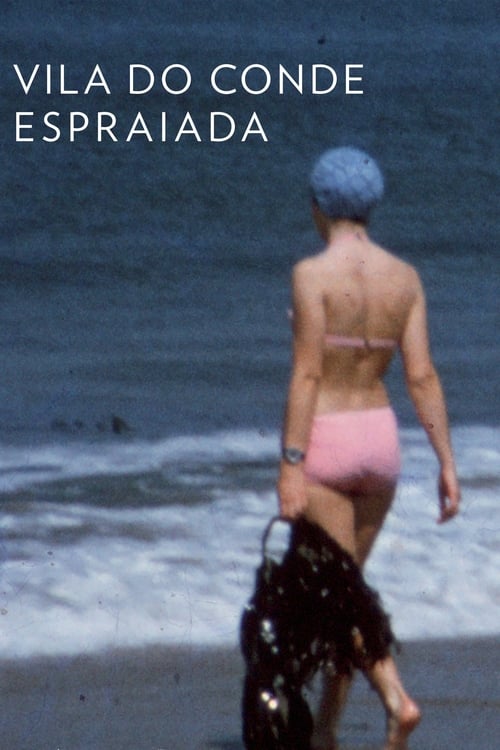
A boy from Vila do Conde records a love letter on a cassette. His voice blends with music, archive images and stories from the past, some lived and others heard.
2021
2007
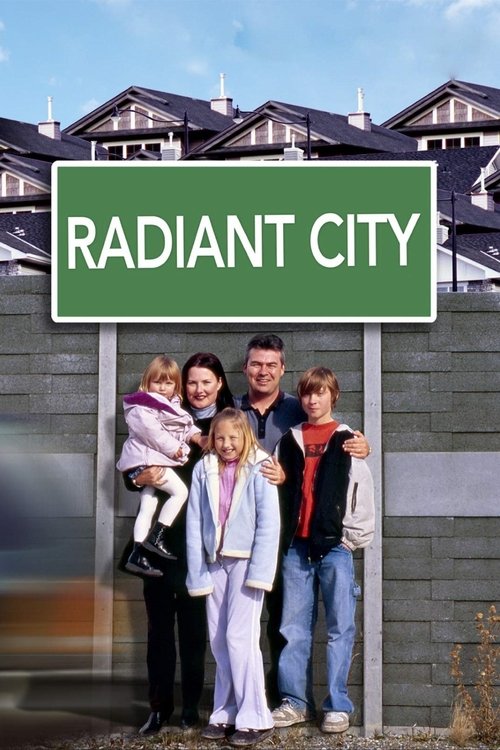
Since the end of World War II, one of kind of urban residential development has dominate how cities in North America have grown, the suburbs. In these artificial neighborhoods, there is a sense of careless sprawl in an car dominated culture that ineffectually tries to create the more organically grown older communities. Interspersed with the comments of various experts about the nature of suburbia
2025
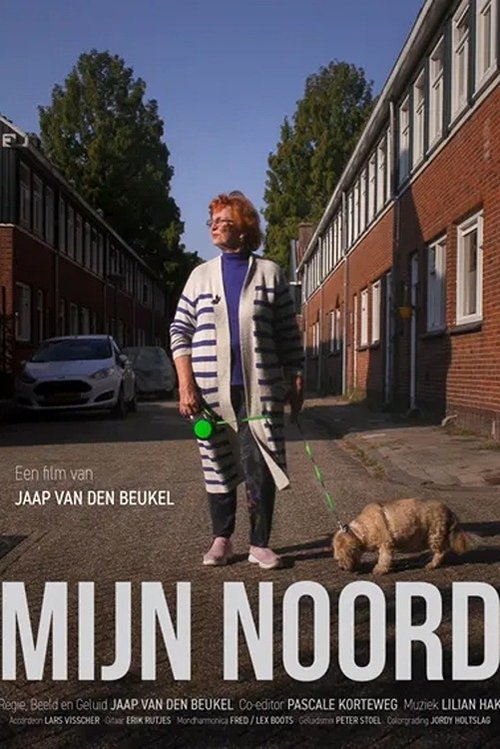
The working-class Tuindorp Nieuwendam neighborhood in Amsterdam-Noord is like a village within the city. Many natives of the Northern Netherlands still live in the characteristically built houses, a unique variation on the Amsterdam School. With humor and Amsterdam directness, they share their stories about what's happening in their lives and in the neighborhood. Recently, a new generation of residents has also discovered the Noord district. How do residents view these changes and the neighborhood's transformation? Was everything better in the past, or are new connections emerging between residents, old and new?