1991
Mothers and doctors speak out about the grim reality of life in the five years following the Chernobyl disaster. In children, doctors witnessed a massive increase of recurrent infections, baldness, as well as leukaemia and other cancers.
2016
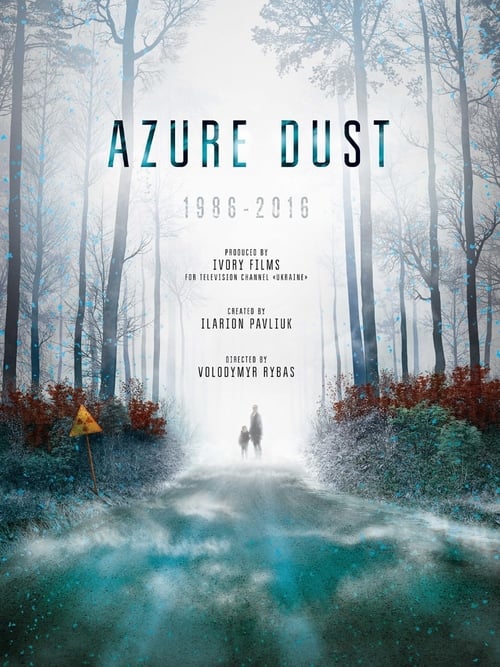
Chernobyl 1986. A nuclear reactor exploded, spewing out massive quantities of radiation into the atmosphere. Within days, the pollution had spread across Europe. Living on land contaminated with radioactivity would be a life-changing ordeal for the people of Belarus, but also for the Sami reindeer herders of central Norway. It even affected the Gaels of the distant Hebrides. Five years ago there was a meltdown at the Fukushima reactor, and thousands of Japanese people found their homes, fields and farms irradiated, just as had happened in Europe. This international documentary, filmed in Belarus, Japan, the lands of Norway's Sami reindeer herders and in the Outer Hebrides, poses the question: what lessons have we learned?
2001
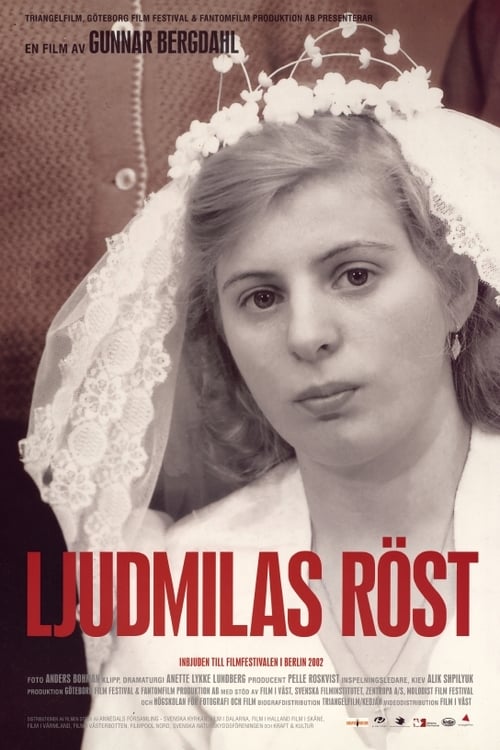
Ljudmila Ignatenko tells the story of her and her husband Vasilij, a firefighter who was one of the victims of the Chernobyl disaster in 1986.
2013
2007
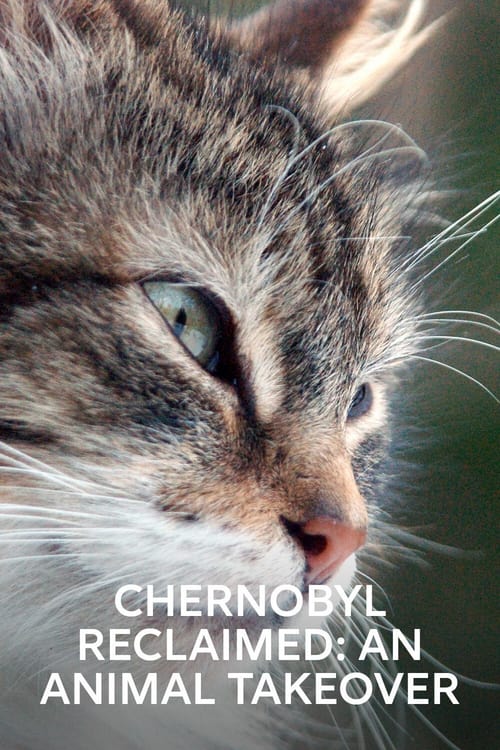
What would happen if the world were suddenly without people - if humans vanished off the face of the earth? How would nature react - and how swiftly? On the edge of Europe, the deserted village of Chernobyl reveals the surprising answer after an unplanned experiment. Chernobyl was abandoned by people after the worst nuclear disaster in history (April 26, 1986). A level 7 meltdown resulted in a severe release of radioactivity following a massive explosion that destroyed the reactor. More than 20 years later, Chernobyl has been taken over by a remarkable collection of wildlife and descendents of pets that were left in the city when its residents fled the nuclear fallout. Unexpectedly in the aftermath of this disaster, Chernobyl has become a sanctuary for plants, birds, and animals, including some species thought to be on the brink of extinction.
2003
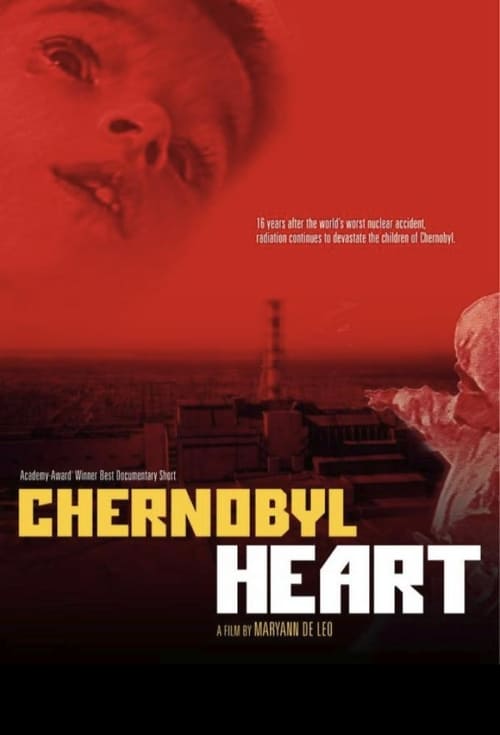
This Academy Award-winning documentary takes a look at children born after the 1986 Chernobyl nuclear plant disaster who have been born with a deteriorated heart condition.
2008
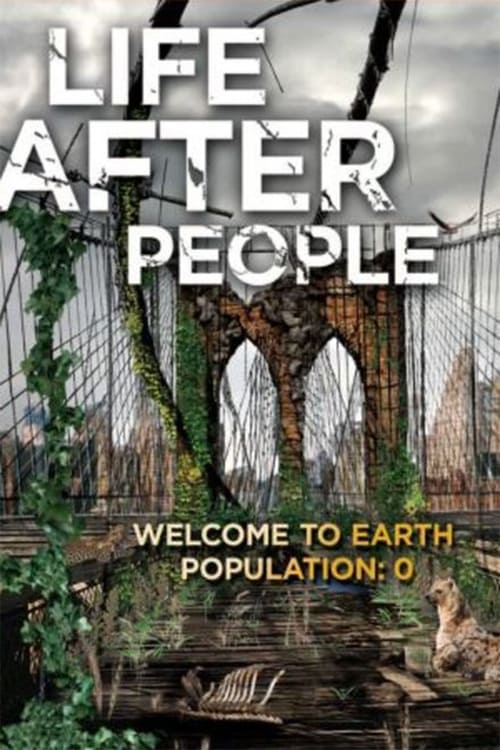
In this special documentary that inspired a two-season television series, scientists and other experts speculate about what the Earth, animal life, and plant life might be like if, suddenly, humanity no longer existed, as well as the effect humanity's disappearance might have on the artificial aspects of civilization.
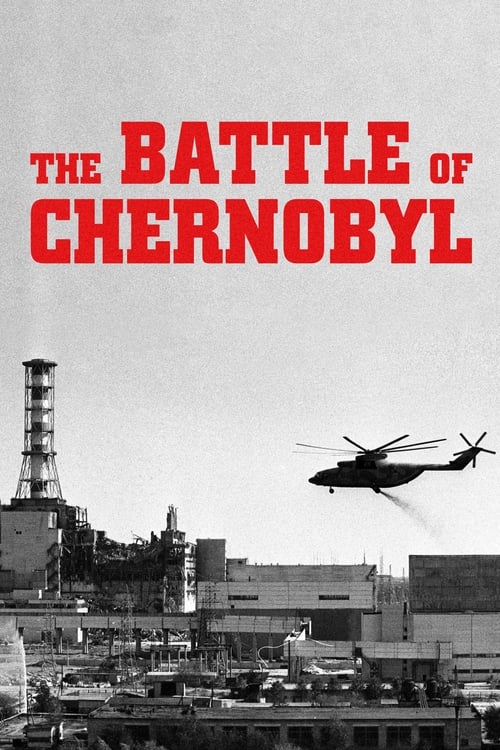
On April 26, 1986, a 1,000 feet high flame rises into the sky of the Ukraine. The fourth reactor of the Chernobyl nuclear power plant just exploded. A battle begins in which 500,000 men are engaged throughout the Soviet Union to "liquidate" the radioactivity, build the "sarcophagus" of the damaged reactor and save the world from a second explosion that would have destroyed half of Europe. Become a reference film, this documentary combines testimonials and unseen footage, tells for the first time the Battle of Chernobyl.
The story about Chornobyl area, all around the world we know of the disaster in 1986. The film may be called a guide to the Exclusion Zone. Thanks to the unique footage from the place of the tragedy, that the crew succeeded to capture, the viewers will have a chance for a full immersion into the atmosphere of the events and, along with the heroes of the film, feel the dreadful and amazing air that reigns where one of the major anthropogenic disasters took place.
30 years after the Chernobyl catastrophe and 5 years after Fukushima it is time to see what has been happening in the “exclusion zones” where the radioactivity rate is far above normal.
2024
With the good of the people in mind, Valery Legasov, a Soviet scientist called to the scene of the Chernobyl nuclear disaster, stands up to censorship behind the iron curtain.
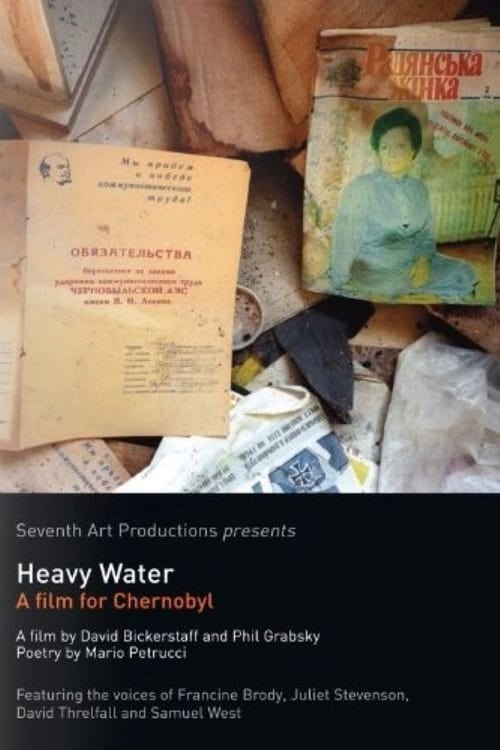
On April 26th, 1986, reactor four at Chernobyl nuclear power station explodes, sending an enormous radioactive cloud over Northern Ukraine and neighbouring Belarus. The danger is kept a secret from the rest of the world and the nearby population who go about their business as usual. May Day celebrations begin, children play and the residents of Pripyat marvel at the spectacular fire raging at the reactor. After three days, an area the size of England becomes contaminated with radioactive dust, creating a 'zone' of poisoned land. Based on Mario Petrucci's award-winning book-length poem (split over two books), 'Heavy Water: a film for Chernobyl', and the shorter version 'Half Life: a Journey to Chernobyl", tells the story of the people who dealt with the disaster at ground-level: the fire-fighters, soldiers, 'liquidators', and their families.