1967
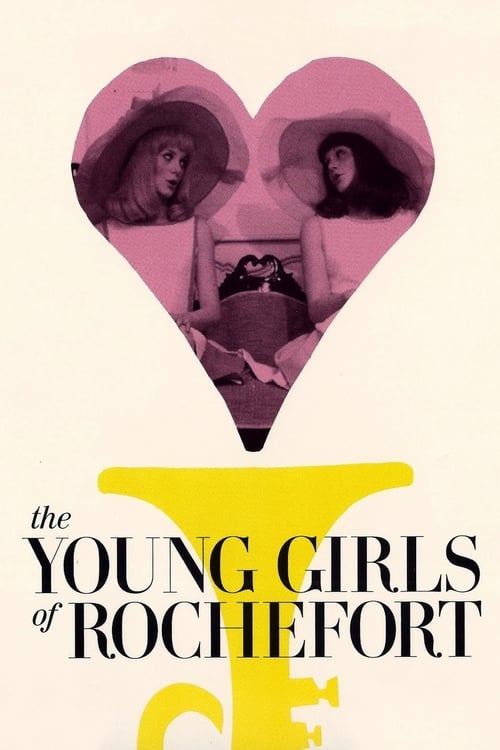
In the seaside town of Rochefort, twin sisters Delphine and Solange dream of love and artistic fulfillment beyond their quiet lives. As sailors, artists, musicians, and chance visitors pass through town during a weekend fair, a web of near-misses and romantic longing brings ideal partners tantalizingly close—without their realizing it.
2015
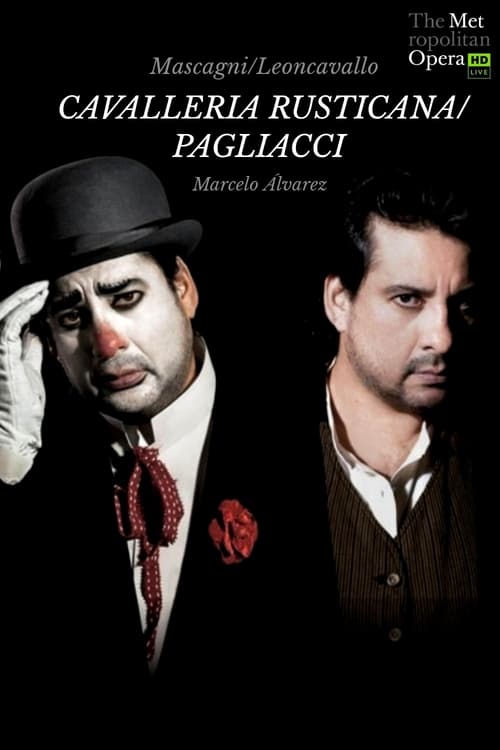
Director David McVicar’s new production brings opera’s favorite double bill to new life, setting the two operas in the same Sicilian setting, separated by two generations. Marcelo Álvarez takes on the rare feat of singing both leading tenor roles. In Cavalleria, he is Turiddu, the young man who abandons Santuzza (Eva-Maria Westbroek) in his pursuit of the married Lola (Ginger Costa-Jackson)—and ends up being killed in a duel with her husband, Alfio (George Gagnidze). In Pagliacci, Álvarez is Canio, the leader of a traveling vaudeville troupe. Patricia Racette sings Nedda, his unfaithful young wife, whose plans to run away with her lover are foiled by her spurned admirer Tonio (George Gagnidze)—with equally tragic consequences. Met Principal Conductor Fabio Luisi is on the podium.
2005
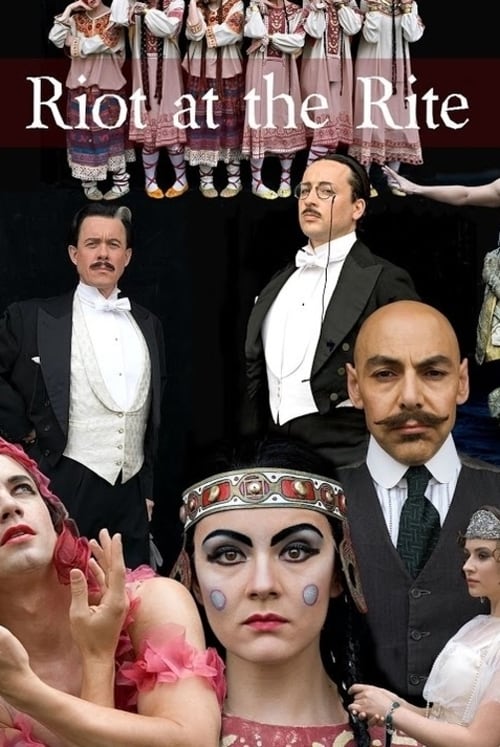
In the spring of 1913, Parisian businessman Gabriel Astruc opens a new theater on the Champs Elysées. The first performance is the premiere of Igor Stravinsky's 'The Rite of Spring', danced by the Ballet Russes. The rehearsal process is extremely fraught: the orchestra dislike Stravinsky's harsh, atonal music; the dancers dislike the 'ugly' choreography of Vaslav Nijinsky. The volatile, bisexual Nijinsky is in a strained relationship with the much older Sergei Diaghilev, the Ballet Russes' charismatic but manipulative impresario. Public expectation is extremely high after Nijinsky's success in 'L'apres-midi d'un faune'. Finally, 'The Rite of Spring' premieres to a gossip-loving, febrile, fashion-conscious Parisian audience sharply divided as to its merits.
2014
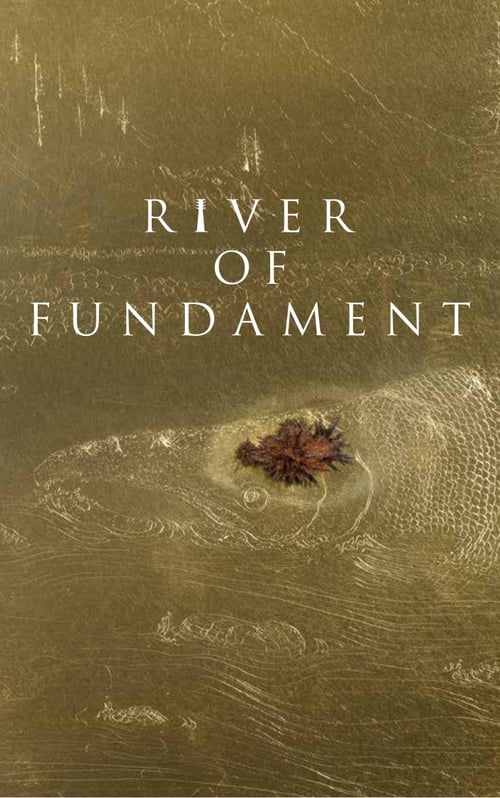
Visionary artist Matthew Barney returns to cinema with this 3-part epic, a radical reinvention of Norman Mailer’s novel Ancient Evenings. In collaboration with composer Jonathan Bepler, Barney combines traditional modes of narrative cinema with filmed elements of performance, sculpture, and opera, reconstructing Mailer’s hypersexual story of Egyptian gods and the seven stages of reincarnation, alongside the rise and fall of the American car industry.
From the Baroque Theater at Český Krumlov Castle: Christoph Willibald Gluck's Orfeo ed Euridice (Orpheus and Eurydice) starring Regula Mühlemann, Bejun Mehta and Eva Liebau, with Collegium Vocale 1704 & Collegium 1704 under the baton of Václav Luks. Directed by Ondřej Havelka A co-production of Clasart / Unitel / ORF in association with Czech Television / SVT / YLE / RSI / Arthaus Music
2001
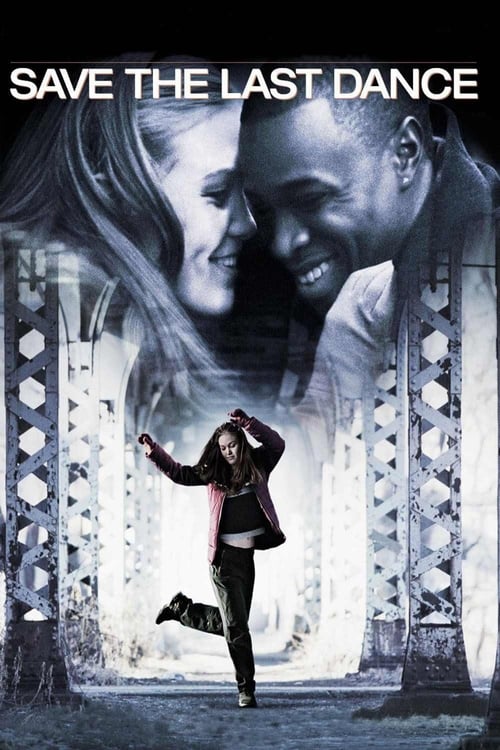
After the death of her mother, Sara moves to the South Side of Chicago to live with her father and gets transferred to a majority-black school. Her life takes a turn for the better when befriends Chenille and her brother Derek, who helps her with her dancing skills.
2006
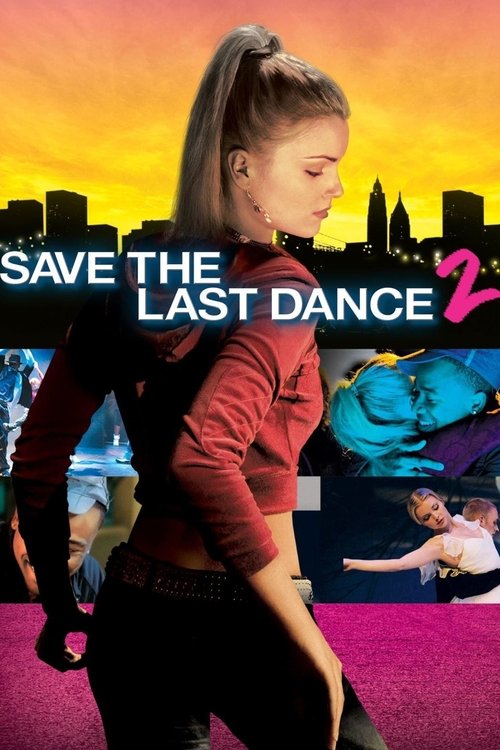
Sara joins Julliard in New York to fulfill her and her mother's dream of becoming the Prima ballerina of the school. She befriends her roommates, Zoe and Miles, who teach hip-hop classes. She has ballet classes with the rigid and famous Monique Delacroix that she idolizes - Monique requires full commitment, discipline and hard work from her students. When Miles, who is a composer, invites Sara to help him compose the music for the dance choreography Sara's passion for hip-hop is sparked and she also falls in love with Miles. When she is assigned to perform Giselle in an important event, she feels divided between the technique of the ballet and the creative work offered by Miles.
1999
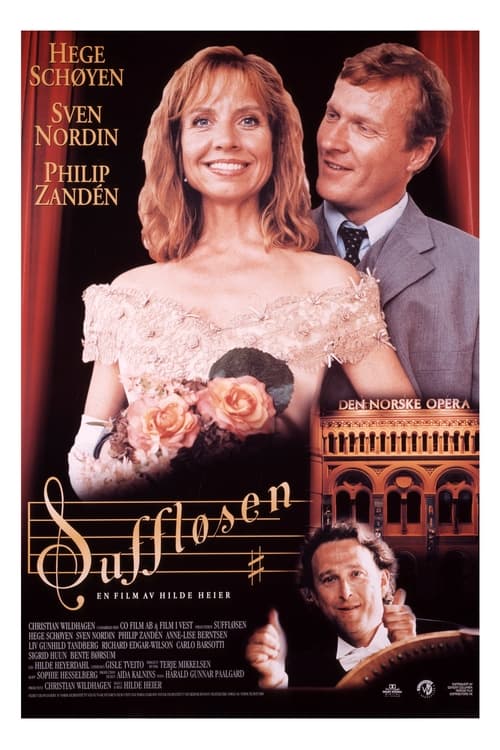
Siv works as a prompter for the Norwegian opera. As the rehearsals for Aida starts, she marries a demanding man, Fred, who still has a strong connection to his ex-wife. Starting at her wedding, Siv must repeatedly take a back seat, both to Freds children and their mother. But when she meets a man who shares her passion for music, she starts to question the path her life has taken.
2008
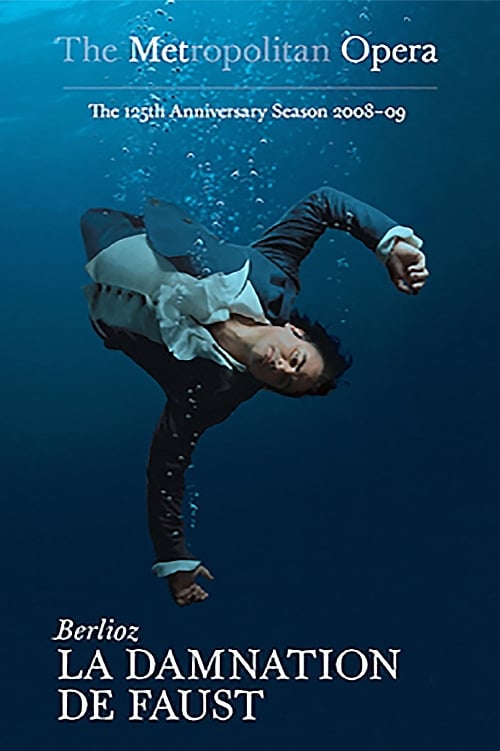
Radiant mezzo-soprano Susan Graham and dashing Italian tenor Marcello Giordani are unlucky lovers in La Damnation de Faust, Hector Berlioz’s classic take on dancing with the devil.
2017
This adaptation of three tales by E.T.A. Hoffmann, with a sprinkling of Goethe’s Faust, portrays the German poet as both narrator and hero recounting his love affairs with Olympia, Antonia and Giuletta. Robert Carsen’s spectacular production highlights the melancholy genius of a man marked by life, with a coherence and dramatic sense remarkable for a work that leaves numerous questions unanswered. Under the baton of Philippe Jordan, Stéphanie d’Oustrac, Ermonela Jaho, Kate Aldrich, Yann Beuron and Ramón Vargas and Stefano Secco in the main role, interpret the legendary airs of this work whose brilliant mystery will continue to dazzle opera houses for countless years to come.
2009
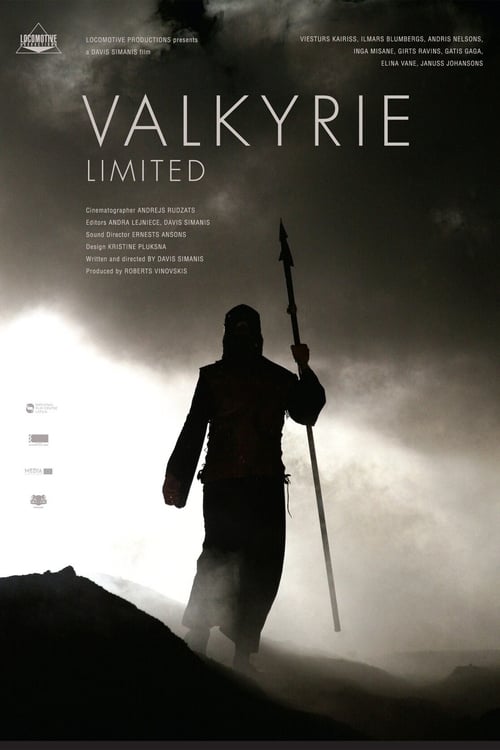
The documentary draws a portrait of an opera director who is staging Richard Wagner’s Die Walküre. He is torn between the tragicomic routine of an opera house and his own perception of Wagner and the Ring cycle. The film witnesses the director’s drama in maintaining the fragile link between a well-constructed performance and his own vision that lies within the music and the narrative, and is seen as German expressionism-like nightmares.
2018
The acclaimed Italian director, Emma Dante, presents a powerful, barbaric and at time frenzied Macbeth with great attention to detail. Staged and filmed in Italy's largest theatre, the Teatro Massimo in Palermo, Sicily, this production captures remarkable performances by the Italian soprano Anna Pirozzi as Lady Macbeth, the renowned Verdi specialist, baritone Roberto Frontali, in one of his signature roles, and the rising star, Croatian bass-baritone Marko Mimica as Banco (Banquo). The conductor, Gabriele Ferro, has opted to use the 1865 Paris version of the score, sung in Italian and without the ballets, for a production that received generous praise in Palermo and on tour.