2000
King of the Jews is a film about anti-Semitism and transcendence. Utilizing Hollywood movies, 1950's educational films, personal home movies and religious films, the filmmaker depicts his childhood fear of Jesus Christ. These childhood recollections are a point of departure for larger issues such as the roots of Christian anti-Semitism.
2019
Documentary film about sexual abuse in the Catholic Church in Poland.
2007
Documentary about three men from Kentucky who claim to have discovered an Old Testament relic for 69-cents at a Madison, Tennessee Goodwill superstore. The men believe that they have found the mysterious Urim and Thummim in the form of a stone cup that allows its users to communicate with God and see visions.
2014
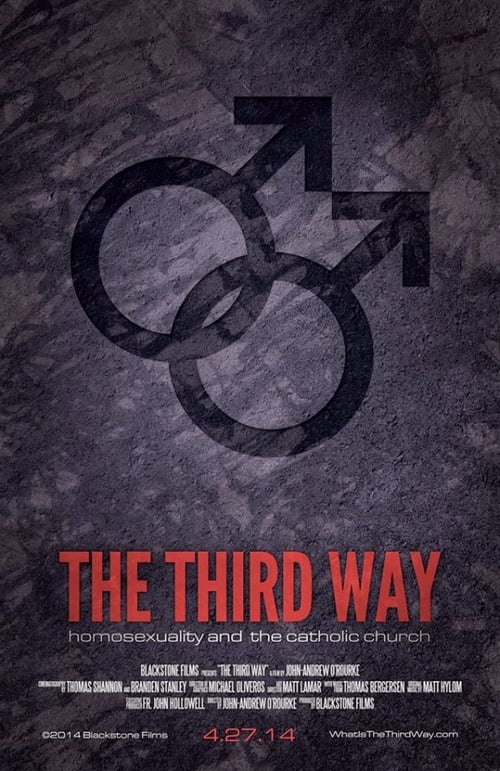
Documentary film about Catholic Church teachings about homosexuality. Describes the "third way", the lifestyle lead by orthodox gay Catholics practicing celibacy out of personal choice, an often overlooked demographic in the debates about homosexuality in the Church.
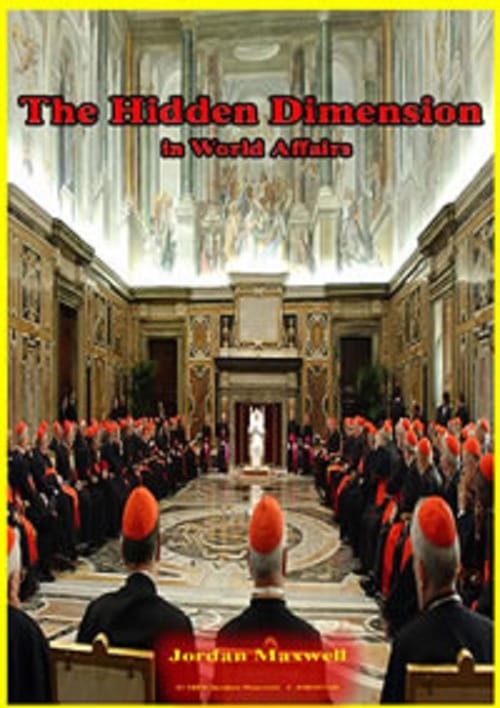
The Hidden Dimension in World Affairs is one of Jordan Maxwell’s most controversial subjects. It emphatically displays Vatican ties to some of the highest crimes in humanity past and present. A must see for anyone in search of this knowledge.
2018
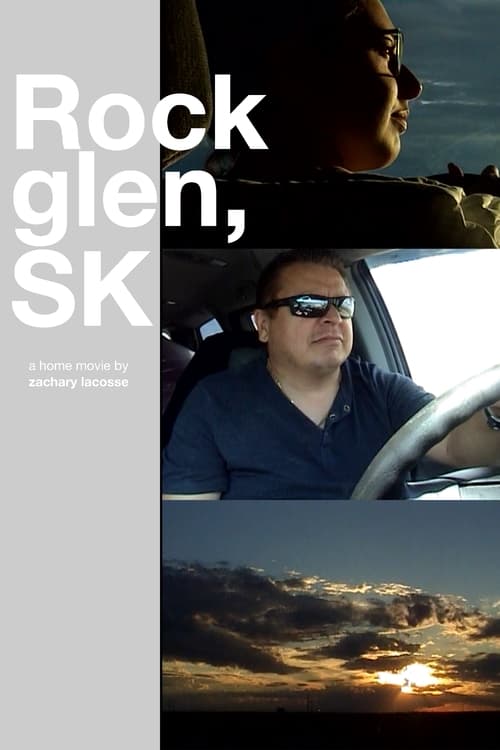
The Lacosse family goes on a roadtrip to Rockglen, SK.
1977
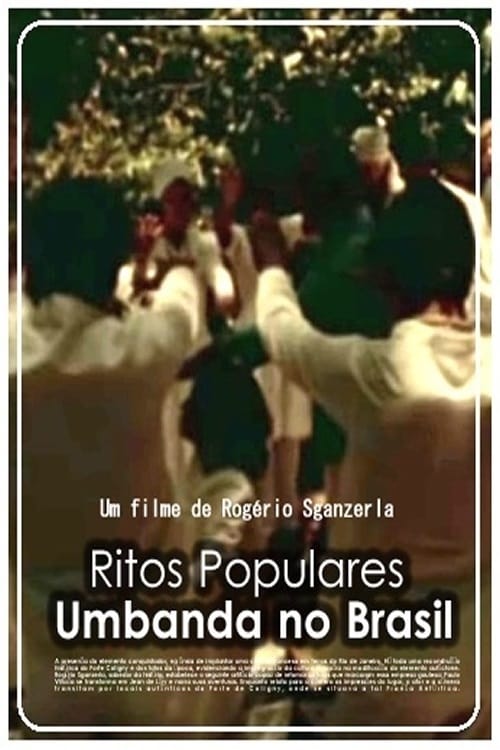
A documentary based on the book Umbanda no Brasil by the scholar Mata e Silva, who is interviewed by the director. The book studies the Brazilian religion known as spiritism, a syncretism of African beliefs and magical rites, Indian beliefs and images, and Catholic symbols.
2011
Scott Mills travels to Uganda where the death penalty could soon be introduced for being gay. The gay Radio 1 DJ finds out what it's like to live in a society which persecutes people like him and meets those who are leading the hate campaign.
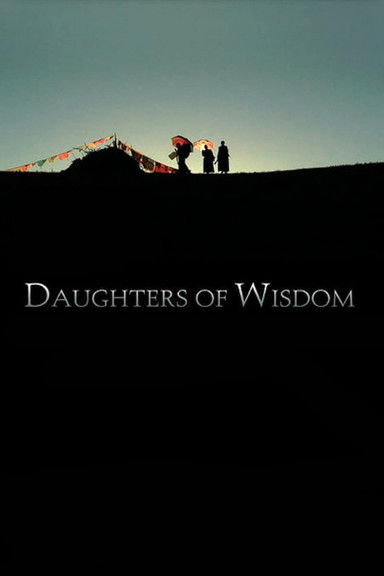
An intimate portrait of the nuns of Kala Rongo, a rare and exceptional Buddhist Monastery exclusively for women situated in Nangchen, in remote and rural northeastern Tibet. These nuns are receiving religious and educational training previously unavailable to women, and playing an unprecedented role in preserving their rich cultural heritage even as they slowly reshape it. They graciously allow the camera a never-before-seen glimpse into their vibrant spiritual community and insight into their extraordinary lives. Some shy, some outspoken, all are committed to the often difficult life they have chosen, away from the yak farms and herding families of their birth. It is the story of their spiritual community, one that couldn't have existed 20 years ago but is thriving today.
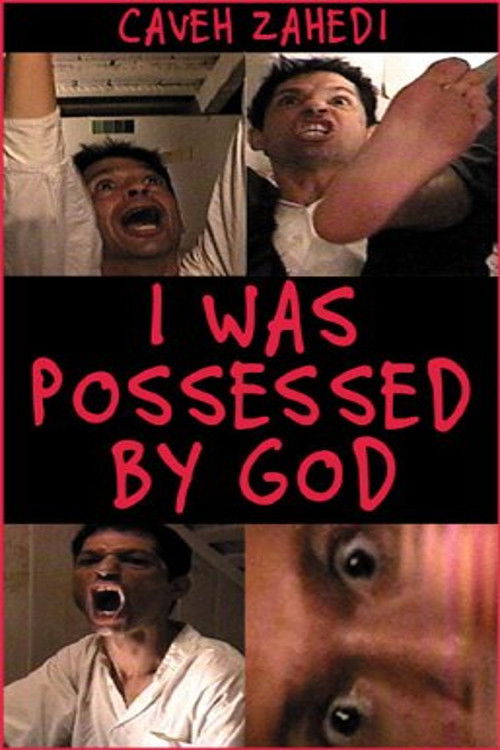
On Valentine's Day, 1993, Caveh Zahedi decided to ingest 5 grams (a very large dose) of hallucinogenic mushrooms. For the first time in his mushroom-taking history, he had an experience of "divine possession," in which he felt that a divine being took possession of his body and spoke through him, in a voice that was not his, and with knowledge that he himself did not possess. He later tried several times to repeat the experience. I WAS POSSESSED BY GOD is the documentary record of one such attempt.
2013
In the week when Hindus celebrate the holy festival of Diwali, this documentary tells the story of one of their faith's most sacred symbols - the swastika. For many, the swastika has become a symbol synonymous with the Nazis and fascism. But this film reveals the fascinating and complex history of an emblem that is, in fact, a religious symbol, with a sacred past. For the almost one billion Hindus around the world, the swastika lies at the heart of religious practices and beliefs, as an emblem of benevolence, luck and good fortune.
1979
Soji-ji (1979) is a video work documenting a chant recitation at a Zen temple. The chant recited by many monks does not proceed in unison like group singing. Each monk recites in sync with his breath, so that the intake of breath occurs at different moments. That is to say, each monk articulates the chant differently. Since there is no unified division, when the multiple chants overlap, an endless wave of chant (sutra) appears as a collective density or modality (at the same time, each monk’s steps form a totally different rhythm from the individual chants).