1975
In Montauban in 1944, Julien Dandieu is a surgeon in the local hospital. Frightened by the German army entering Montauban, he asks his friend Francois to drive his wife and his daughter in the back country village where Julien has an old castle. One week later, Julien decides to meet them for the week end, but the Germans are already occupying the village.
2006
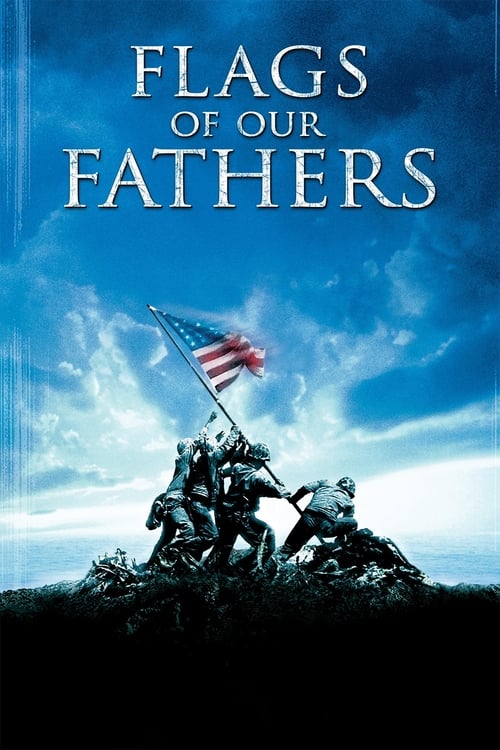
There were five Marines and one Navy Corpsman photographed raising the U.S. flag on Mt. Suribachi by Joe Rosenthal on February 23, 1945. This is the story of three of the six surviving servicemen - John 'Doc' Bradley, Pvt. Rene Gagnon and Pvt. Ira Hayes - who fought in the battle to take Iwo Jima from the Japanese.
2008
In March 1943, twenty-year-old Ovadia Baruch was deported together with his family from Greece to Auschwitz-Birkenau. Upon arrival, his extended family was sent to the gas chambers. Ovadia struggled to survive until his liberation from the Mauthausen concentration camp in May 1945. While in Auschwitz, Ovadia met Aliza Tzarfati, a young Jewish woman from his hometown, and the two developed a loving relationship despite inhuman conditions. This film depicts their remarkable, touching story of love and survival in Auschwitz, a miraculous meeting after the Holocaust and the home they built together in Israel. This film is part of the "Witnesses and Education" project, a joint production of the International School for Holocaust Studies and the Multimedia Center of the Hebrew University of Jerusalem. In this series, survivors recount their life stores - before, during and after the Holocaust. Each title is filmed on location, where the events originally transpired.
1984
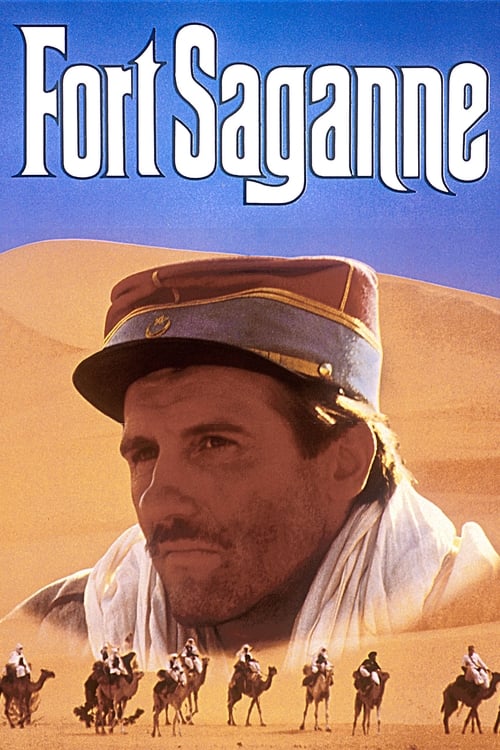
In 1911, a willful and determined man from peasant stock named Charles Saganne enlists in the military and is assigned to the Sahara Desert under the aristocratic Colonel Dubreuilh.
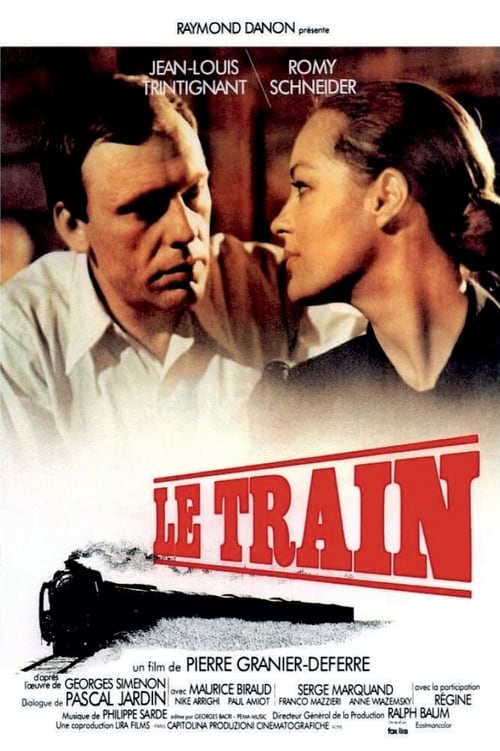
1973
Two people, a Frenchman and a Jewish German woman, meet on a train while escaping the German army entering France.
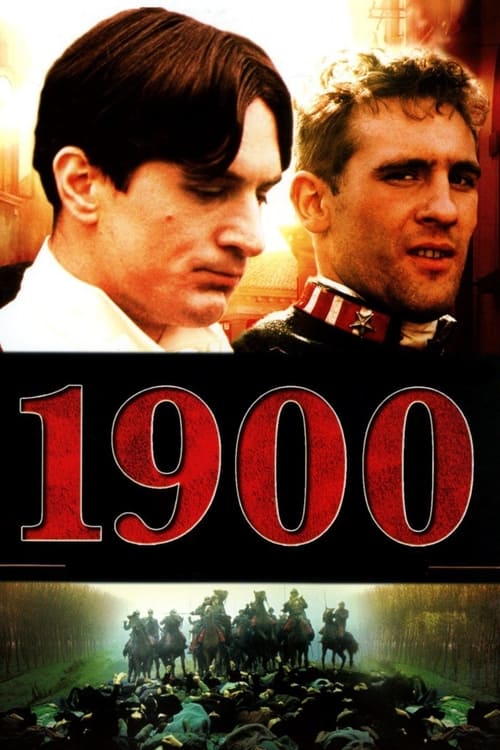
1976
The epic tale of a class struggle in twentieth century Italy, as seen through the eyes of two childhood friends on opposing sides.
2019
An account of the last two centuries of the Anthropocene, the Age of Man. How human beings have progressed so much in such a short time through war and the selfish interests of a few, belligerent politicians and captains of industry, damaging the welfare of the majority of mankind, impoverishing the weakest, greedily devouring the limited resources of the Earth.
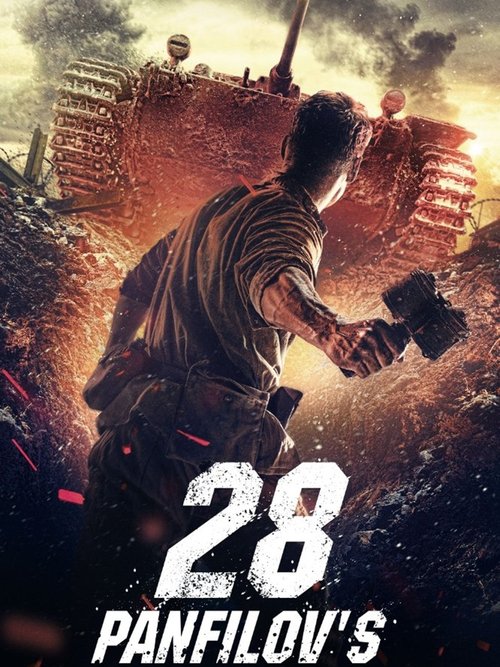
2016
USSR, November, 1941. Based on the account by Vasiliy Koroteev this is the story of Panifilov's Twenty-Eight, a group of twenty-eight Red Army soldiers commanded by General Ivan Panfilov, that stopped the advance on Moscow of a column of fifty-four Nazi tanks of the 11th Panzer Division for several days. Though lightly armed they fight tirelessly and defiantly, with uncommon bravery and unwavering dedication, to protect Moscow and their Motherland.
2020
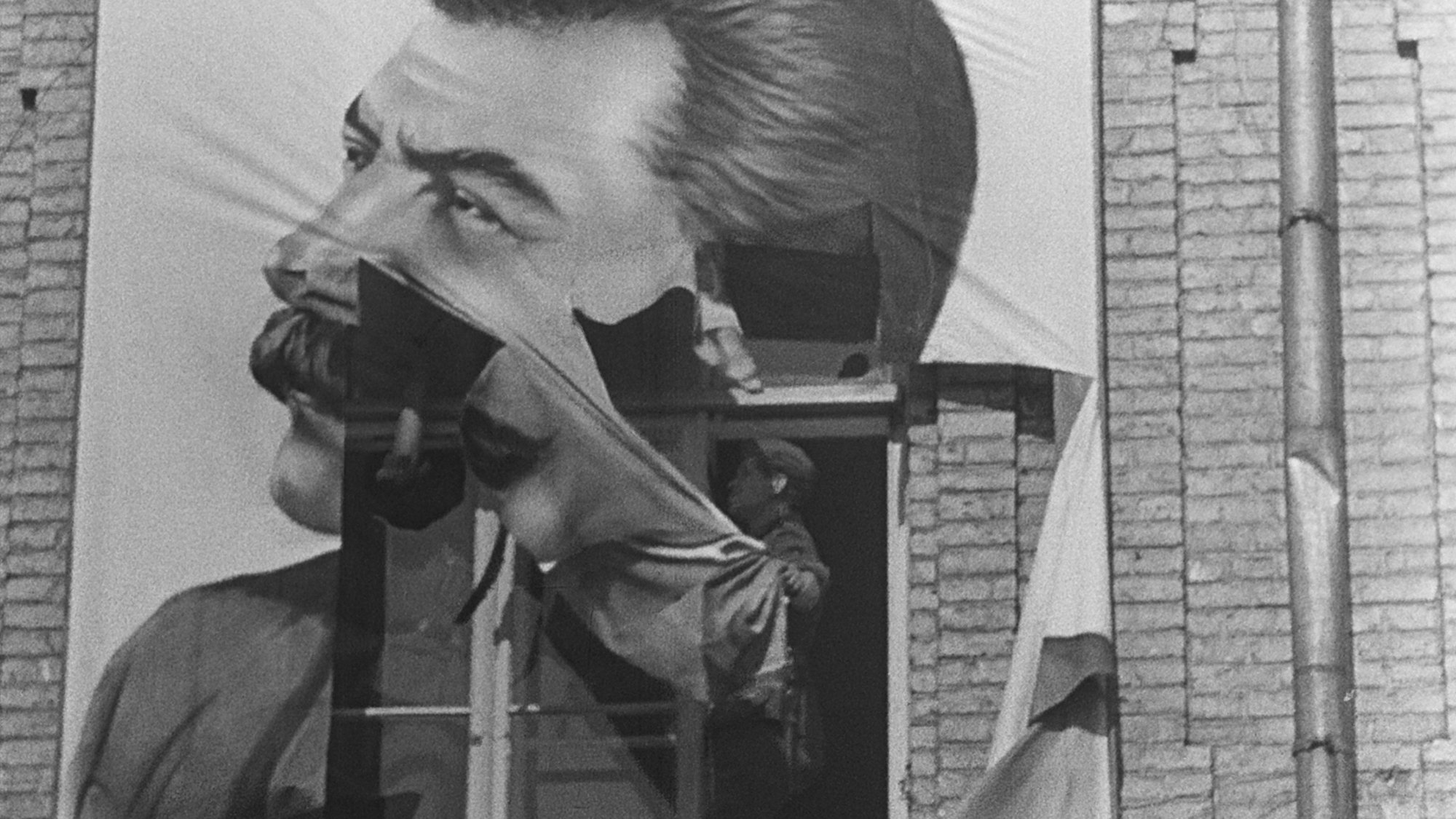
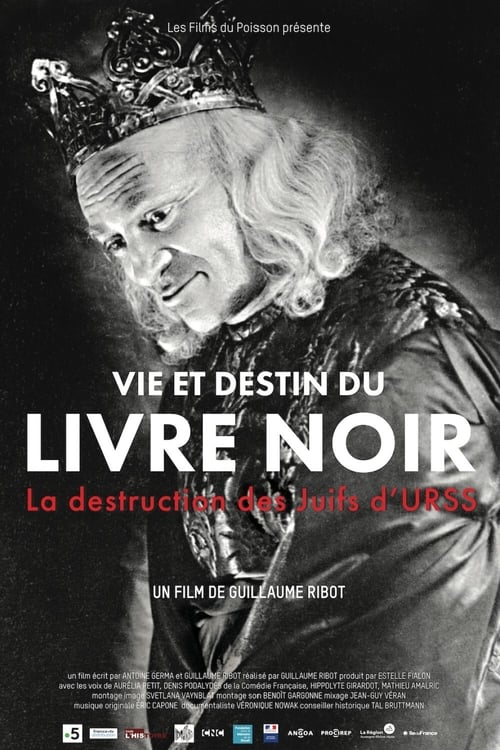
The Black Book, drafted during World War II, gathers numerous unique historical testimonies, in an effort to document Nazi abuses against Jews in the USSR . Initially supported by the regime and aimed at providing evidence during the executioners’ trials in the post-war era, the Black Book was eventually banned and most of its authors executed on Stalin’s order. Told through the voices of its most famous instigators, soviet intellectuals Vassilli Grossman, Ilya Ehrenburg and Solomon Mikhoels, the documentary, provides a detailed account of the tragic destiny of this cursed book and puts the Holocaust and Stalinism in a new light.
2000
A remarkable film that takes a special look at the first war to be truly reported and recorded by one of the more unsung heroes of World War II: the combat photographer. Through the unflinching eye of their camera's lenses, these courageous soldiers continually risked their lives in their brave attempts to capture history.
Made famous by the 1957 Hollywood movie, the bridges of the River Kwai emblematize one of the most misunderstood events in history. Contrary to the romanticized film version, the structures represent a period of terror, desperation, and death for over 16,000 POWs and 100,00 local slaves. The Thailand - Burma Railway was the vision of the Japanese Imperial Army: a 250-mile track cut through dense jungle that would connect Bangkok and Rangoon. To accomplish this nearly impossible feat, the fanatical and ruthless Japanese engineers used POWs and local slaves as manpower. Candid interviews with men who lived through the atrocity - including Dutch, Australian, British, and American POWs - illuminate the violence and horror of their three-and-a-half-year internment. From Britain's surrender of Singapore the enduring force of friendship, The True Story Of The Bridge On The River Kwai narrates a moving and unforgettable account of a period in history that must be remembered.
Nagyvárad, Hungary, 1944. From February to June, Eva Heyman, a 13-year-old Jewish girl, wrote a diary describing the harsh conditions of her life under Nazi occupation. How would she have told her story if she had used Instagram?