2008
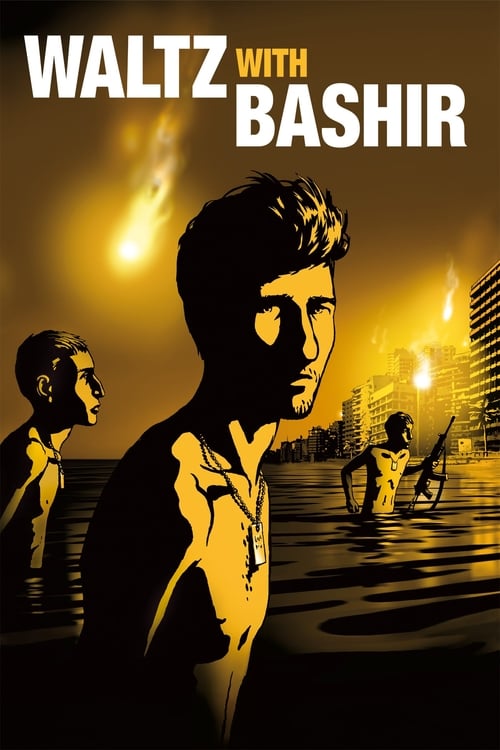
An Israeli film director interviews fellow veterans of the 1982 invasion of Lebanon to reconstruct his own memories of his term of service in that conflict.
2012
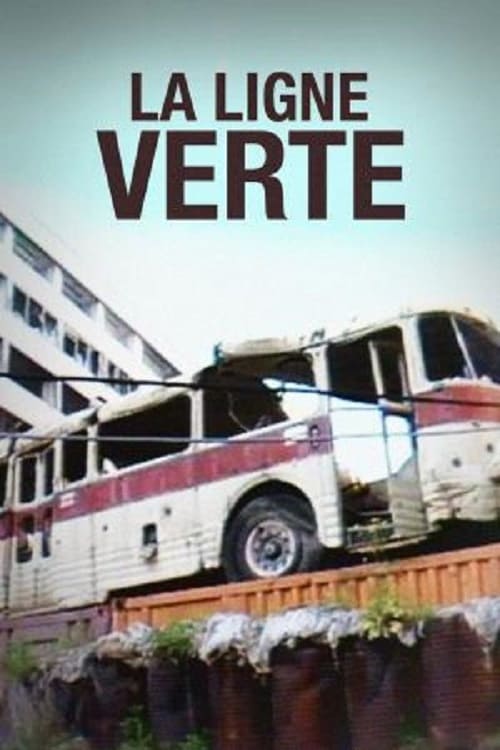
Wissam Charaf traces the recent history and identity of Lebanon through its political campaigns, PR imagery and pop videos.
2020
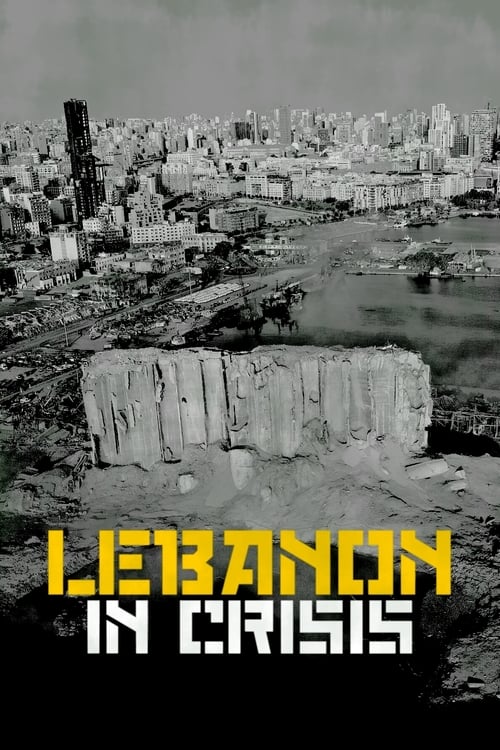
The apocalyptic blast in the Port of Beirut, Lebanon, on August 4, 2020, exacerbates anger at those in power: protests cross religious boundaries as the Lebanese people curse corruption, nepotism, gross economic mismanagement and squandering of resources. How did the Land of Cedars, a country with so much to offer, allow itself to get into such a dire situation? And will it be able to bounce back?
2007
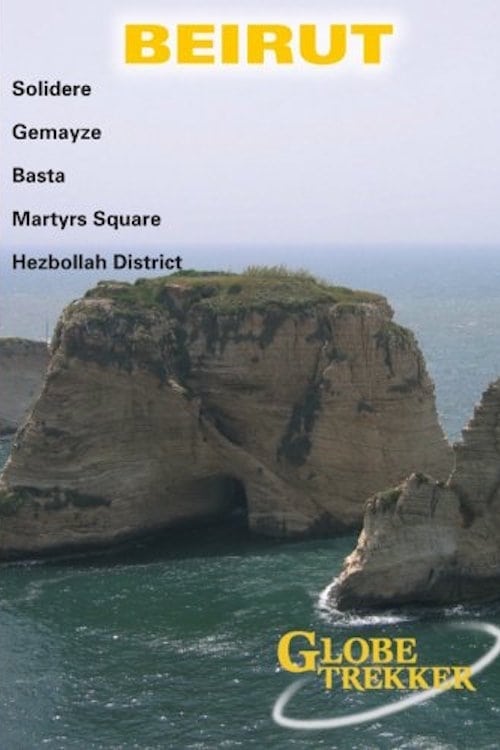
Beirut, Lebanon's capital has a long history of political and social unrest that still makes headlines today. Globe Trekker's Beirut City Guide captures the city in more optimistic days, two weeks before the latest outbreak of hostilities in Lebanon between Israeli and Hezbollah forces in July 2006. Globe Trekker Megan McCormick explores the neighborhoods of Basta, Solidere, Gemayze and the Hezbollah District and finds a city in the midst of regeneration. She gets a glimpse at Beirut's future when meeting up with a group of young Arabic hip hop artists, who are eager to live in peace and put the country's political troubles in the past.
2017
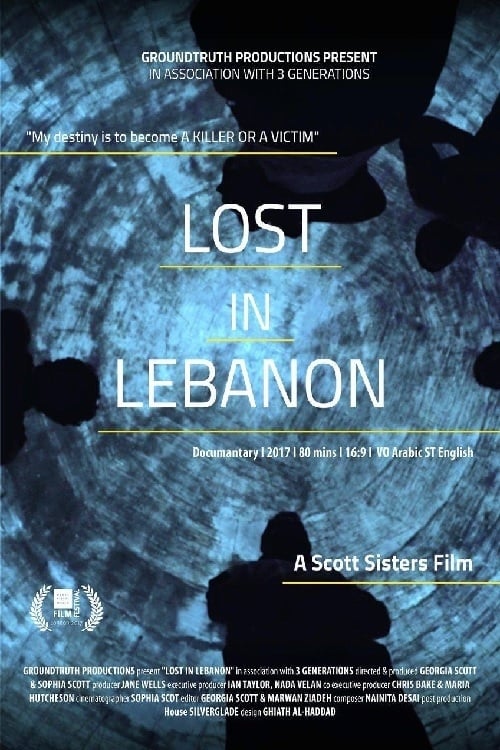
As the Syrian war continues to leave entire generations without education, health care, or a state, Lost in Lebanon closely follows four Syrians during their relocation process. The resilience of this Syrian community, which currently makes up one fifth of the population in Lebanon, is astoundingly clear as its members work hard to collaborate, share resources, and advocate for themselves in a new land. With the Syrian conflict continuing to push across borders, lives are becoming increasingly desperate due to the devastating consequences of new visa laws that the Lebanese government has implemented, leaving families at risk of arrest, detention, and deportation. Despite these obstacles, the film encourages us to look beyond the staggering statistics of displaced refugees and focus on the individuals themselves.
2003
Inhabitants of Beirut talk about their love for the singer Fairuz.
2021
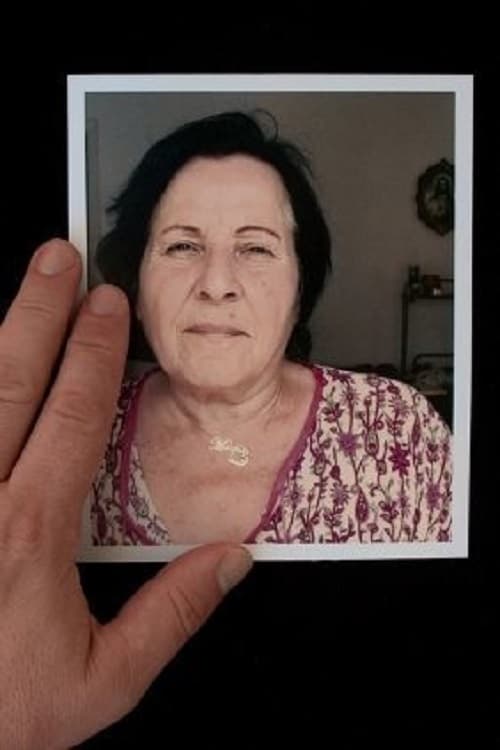
Severely battered from the Beirut Port Explosion on August 4th, Minerva passed away eight days later. Her son Joseph, while still grieving for his loss, sunk into a long and absurd bureaucratic path through the inept system that disowned his mother as a victim of the blast. Minerva is gone. The explosion has snatched her soul, and the city walls have not yet recognized her as a martyr. There is no poster of her smiling face among those of the victims. Their faces are memories that will haunt us for the rest of our lives. Perhaps her son, devastated by her passing, seeks to etch her image into the city's memory. Perhaps he is seeking some confession to the crime. This is a place that casts out its children, whether dead or alive.
2018
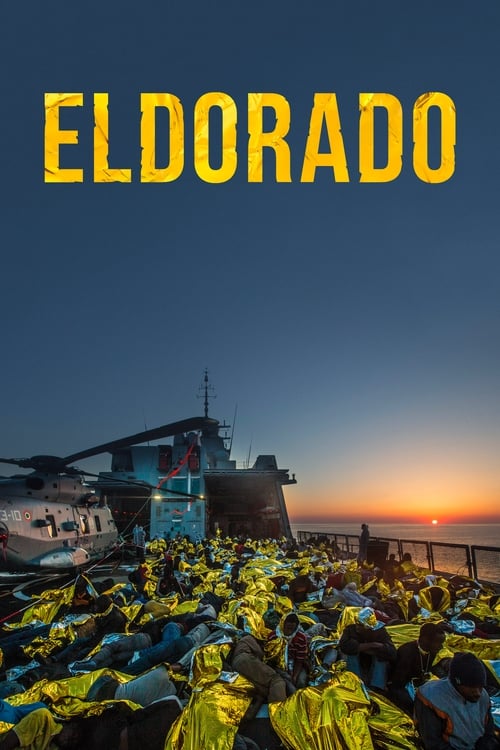
Drawing inspiration from his personal encounter with the Italian refugee child Giovanna during World War II, Markus Imhoof tells how refugees and migrants are treated today: on the Mediterranean Sea, in Lebanon, in Italy, in Germany and in Switzerland.
1982
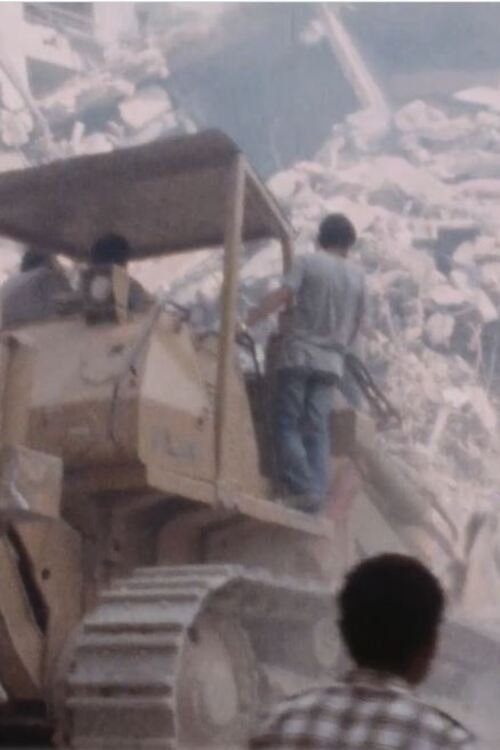
Jocelyne Saab toured the city of Beirut devastated by Israeli bombings. She assesses the number of victims and the extent of the destruction.
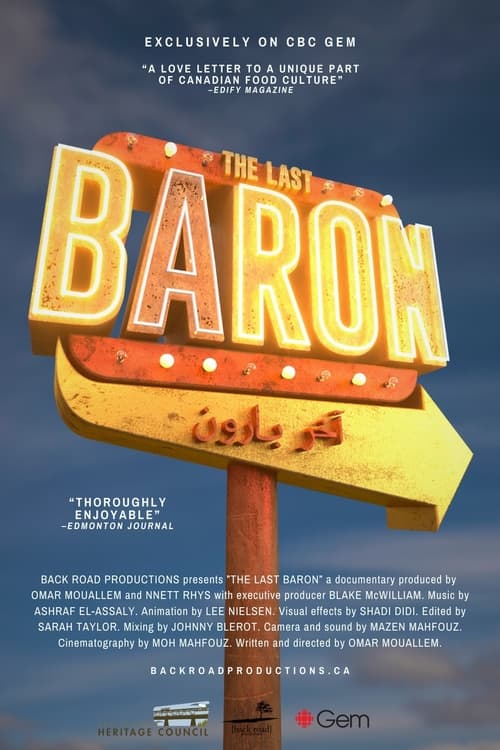
The meaty saga of Burger Baron, a rogue fast-food chain with mysterious origins and a cult following, run by a loose network of fiercely independent Arab Canadian immigrants.
2019
Lebanon today. The traces of the civil war are all too tangible as government corruption becomes unbearable. In a country where conflict and peace are caught in an endless cycle, musicians from different backgrounds pool their talents to create an underground music scene. Each evokes his or her representation of Lebanon: its shifting geographical, political, historical and social borders, its painful passage through conflict and instability. A touching portrait of a young generation trying to build an oasis in a hostile environment where the forces of destruction continue to wreak havoc.
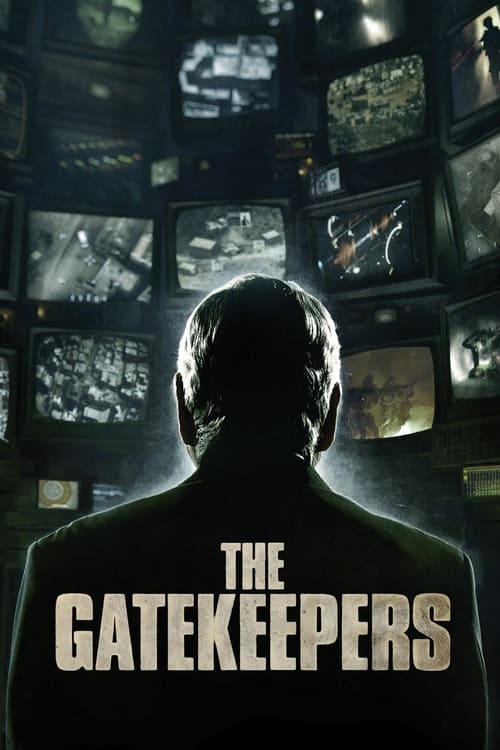
In an unprecedented and candid series of interviews, six former heads of the Shin Bet — Israel's intelligence and security agency — speak about their role in Israel's decades-long counterterrorism campaign, discussing their controversial methods and whether the ends ultimately justify the means.