2025
An enlightening investigative report on Rosatom, Russia's powerful atomic energy agency and Vladimir Putin's formidable geopolitical tool for increasing his influence around the world.
1994
Filmmakers Laura Mulvey and Mark Lewis use rare archival footage and interviews with artists, art historians, and museum directors to examine the fate of Soviet-era monuments during successive political regimes, from the Russian Revolution through the collapse of communism. Mulvey and Lewis highlight both the social relevance of these relics and the cyclical nature of history. Broadcast on Channel Four as part of the 'Global Image' series (1992-1994).
2012
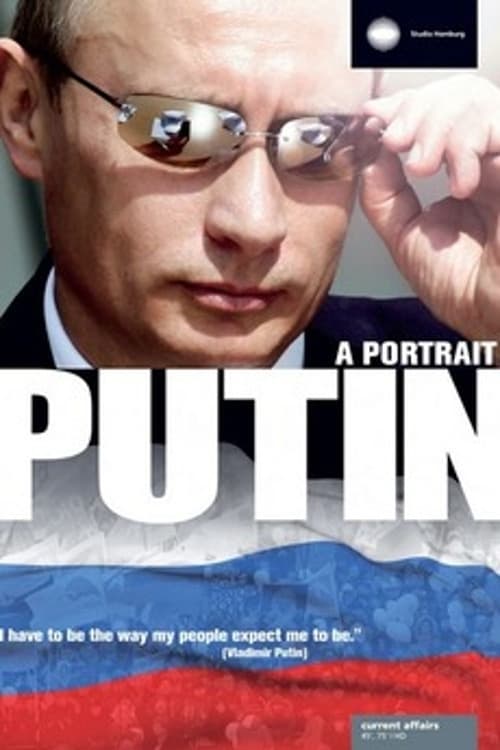
The multiple, award-winning television author Hubert Seipel, accompanied Vladimir Putin in Russia, over a period of many weeks. He not only conducted several interviews with him, but was also present when Putin shouldered judo opponents, or challenged his bodyguards during a game of ice hockey.
2016
Since Russia was brought to its knees in the 1990s by crippling debt and the grip of the oligarchs following the collapse of the Soviet Union, Vladimir Putin has made it his mission to return superpower status to Russia. While not partisan to Putin's wrongs, this insightful doc examines the logic and motivations of Putin's vilified regime, and why he is so loved in his homeland.
The band OK Go gives viewers a look at the behind-the-scenes work -- and 21 flights -- that went into filming their famous zero-gravity music video.
2021
As Russia faces growing international isolation, loyalists within the 30 million-strong Russian diaspora are dedicated to defending, supporting and promoting Putin overseas. Vladimir Putin has made it clear that he wants Russia to reclaim its former glory: across the globe, Russians echo his sentiment, shutting down critics of the Kremlin. From jeering newspaper articles, to counter-protestors staring down protestors who condemn the jailing of Russian opposition leader Alexei Navalny, Putin's international supporters are a force to be reckoned with.
2013
With unprecedented access, this documentary looks into the hidden world of one of Russia's most impenetrable and remote institutions - a maximum security prison exclusively for murderers. Deep inside the land of the gulags, this is the end of the line for some of Russia's most dangerous criminals - 260 men who have collectively killed nearly 800 people. The film delves deep into the mind and soul of some of these prisoners. In brutally frank and uncensored interviews the inmates speak of their crimes, life and death, redemption and remorselessness, insanity and hope. The film tracks them though their unrelenting days over several months, lifting the veil on one of Russia's most secretive subcultures to reveal what happens when a man is locked up in a tiny cell for 23 hours every day, for life. A startling insight into inscrutable minds and the forbidding world they have been condemned to. (Storyville)
In 2012 two members of anarchistic female band Pussy Riot were sentenced to two years in a Mordovian labor camp for "hooliganism motivated by religious hatred". Russian film collective Gogol’s Wives follow each step of the feminist punk band’s battle against Putin including their first disruptive performances on a trolley bus, shooting a video about transparent elections, a controversial performance in a Red Square cathedral, and footage shot in a jail cell. Support comes from many corners including Madonna who painted the words "Pussy Riot" on her back and wore a balaclava during her Moscow show. The documentary portrays the grim state of present-day Russia, a country starkly divided between conservatism and anarchy. Pussy Riot believes that art has to be free and they're willing to take it to extremes. "Pussycat made a mess in the house," they say, and the house is Russia. The filmmakers do not seek to moralize, they simply edit events and leave viewers to draw their own conclusions.
2017
While investigating the furtive world of illegal doping in sports, director Bryan Fogel connects with renegade Russian scientist Dr. Grigory Rodchenkov—a pillar of his country’s “anti-doping” program. Over dozens of Skype calls, urine samples, and badly administered hormone injections, Fogel and Rodchenkov grow closer despite shocking allegations that place Rodchenkov at the center of Russia’s state-sponsored Olympic doping program.
2018
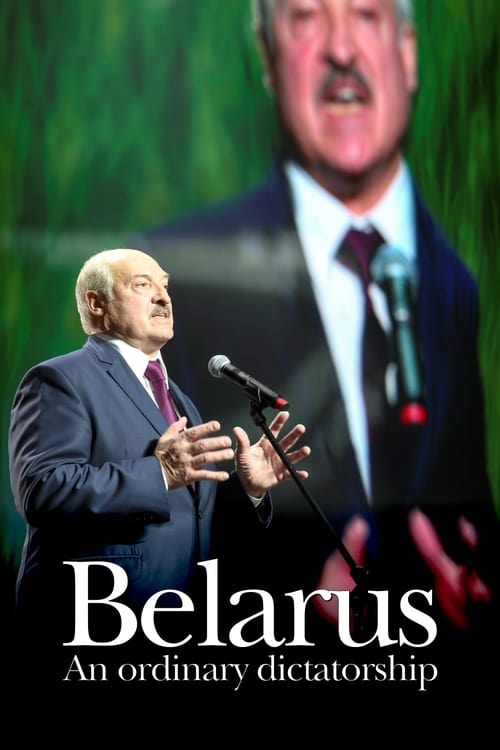
It’s the last dictatorship of Europe, caught in a Soviet time-warp, where the secret police is still called the KGB and the president rules by fear. Disappearances, political assassinations, waves of repression and mass arrests are all regular occurances. But while half of Belarus moves closer to Russia, the other half is trying to resist…
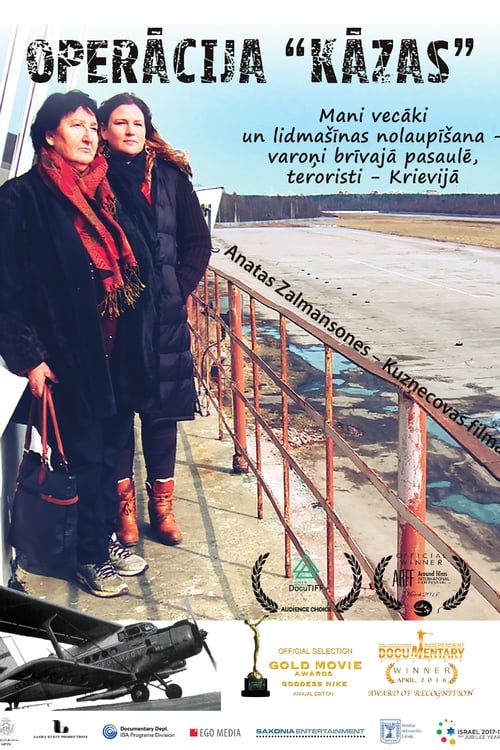
Leningrad, 1970. A group of young Jewish dissidents plot to hijack an empty plane and escape the USSR. Caught by the KGB a few steps from boarding, they were sentenced to years in the gulag and two were sentenced to death; they never got on a plane. 45 years later, filmmaker Anat Zalmanson-Kuznetsov reveals the compelling story of her parents, leaders of the group, "heroes" in the West but "terrorists" in Russia, even today.
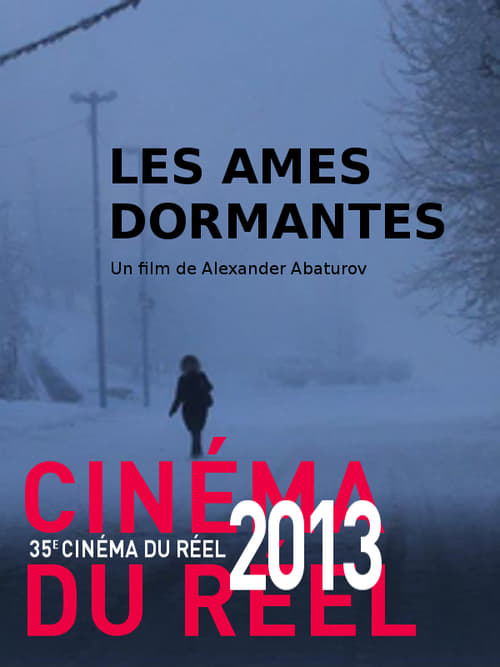
Atchinsk, 4000 km from Moscow. In a building in this Siberia town, the residents cross paths in the stairs, not prone to discuss the current campaign to elect the next president.. Outside, the city lives by the rhythm of the cold, only the sound of the radio echos the anti-governemant protests of the capital. Those images of a sleeping town blend with some of the salaried-militants of Poutine's party. Iouri, political mercenary for united Russia coldly explains to me the mechanic of the system. The mise en scène of democratic life becomes a theater…