1929
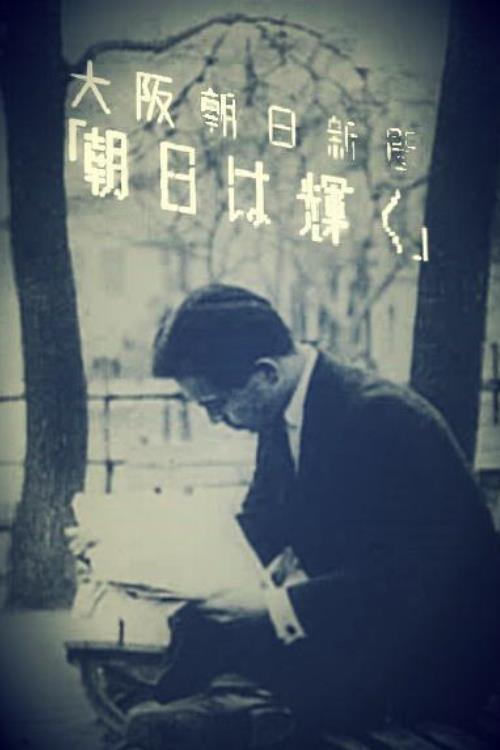
The Morning Sun Shines is a fiction-documentary film by Kenji Mizoguchi and Seiichi Ina. The film is a combination of a drama about a reporter, and documentary footage about newspaper production. Only 25 minutes of footage has survived.
1919
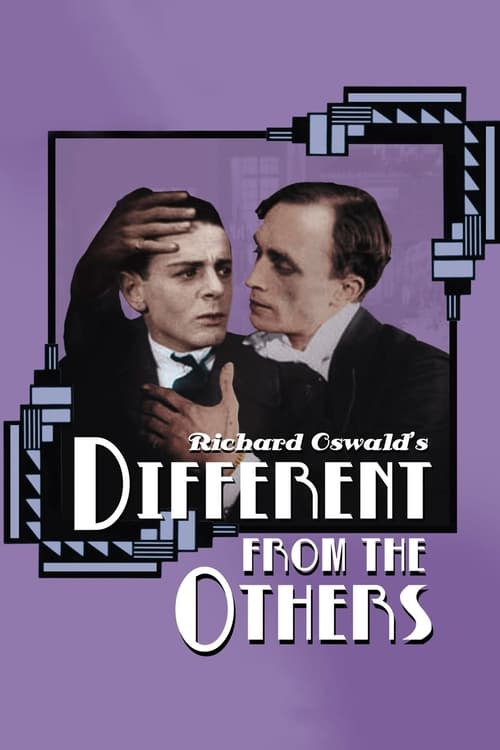
Conrad Veidt plays a famous musician who is blackmailed for being gay. Eventually he stands trial and is convicted. At the end the film pleads for the abolition of §175 (the law that punishes homosexuality).
1914
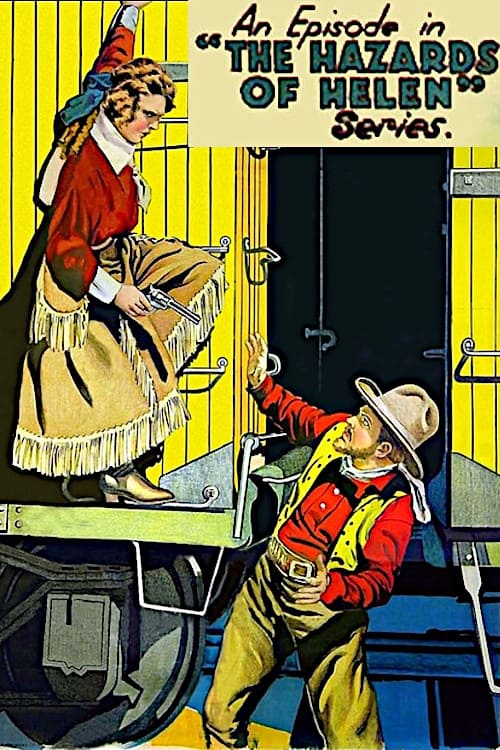
A piece of lumber projecting from the side of a freight car picks up the mail sack hanging from the crane at Bell Station. Two hobos find the sack and rifle the contents. Morrison, postmaster at Bell, has been systematically robbing the mails and benefits by the mail sack's disappearance. Mary Gates, daughter of an engineer, supplies the Post Office inspectors with the first clue. The detectives blunder, however, and arrest Billy, Mary's sweetheart. Chance leads them on the trail of the tramps. The hobos are arrested after a desperate battle. Later, as the result of Mary's clever work, Morrison is brought to bay, while Billy wins his freedom.
1928
Nancy Carroll stars in Manhattan Cocktail as Babs, a college coed who dreams of becoming a famous actress. Joining up with her campus chums Fred (Richard Arlen) and Bob (Danny O'Shea), likewise aspiring thespians, Babes heads to Broadway with stars in her eyes. The winsome threesome are quickly disillusioned by the heartless machinations of nasty producer Renov (Paul Lukas) and his harridan wife (Lilyan Tashman). Before the plot proper gets under way, the audience is regaled with a cute "mythological" prologue, featuring the same three leading actors. Manhattan Cocktail was a silent picture, except for two brief musical numbers showcasing Nancy Carroll.
1923
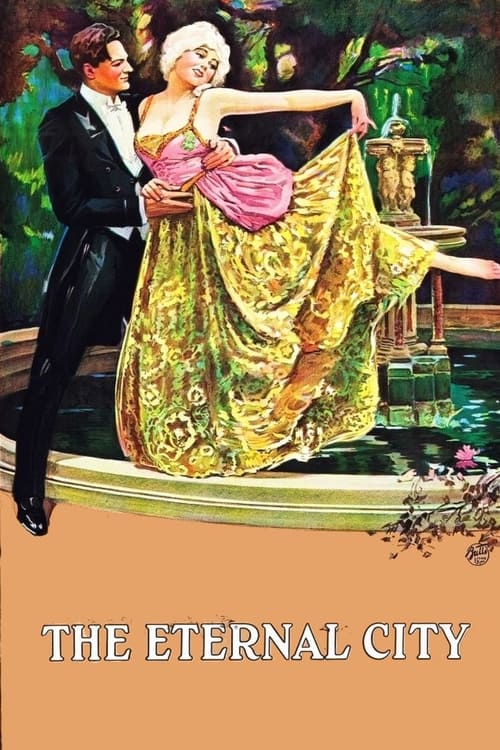
War drama - Fitzmaurice was able to film King Victor Emmanuel III and Benito Mussolini reviewing Italian troops.
1924
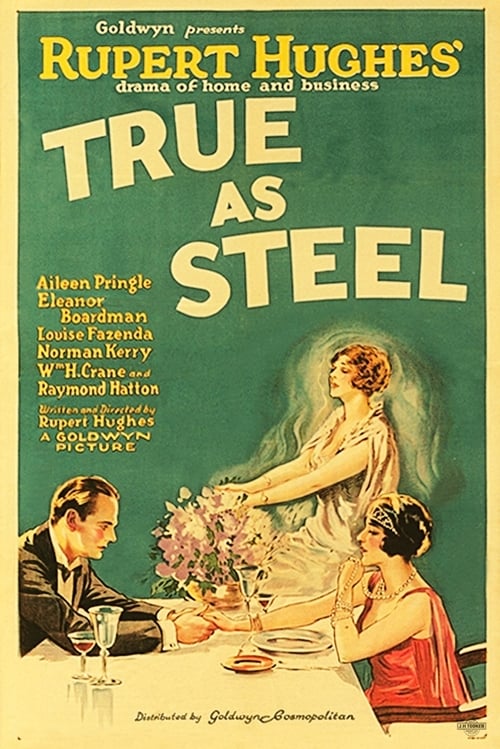
Successful middle-aged manufacturer Frank Parry takes a business trip to New York, where he becomes infatuated with Eva Boutelle, manager of the Swansea Cotton Mills. For a time, their affair develops, but Eva remains true to her husband ...
1916
A married man suddenly inherits a fortune and finally has enough money to live his dream of becoming an artist. He moves his wife and daughter to a big expensive house and starts living the life of a "bohemian" artist. When he begins an affair with another woman, his wife leaves him and his daughter Alicia breaks off her engagement to a wealthy doctor and becomes involved in the "free love" movement espoused by one Herbert Rawlins. Rawlins, however, has his own plans for Alicia, and they don't involve "sharing" her with anyone else. Complications ensue.
1925
When Dorothy wants to marry Bob (Robert Agnew), her mother, Mildred, forbids the match. Dorothy angrily asserts that Mildred might reconsider if her own mother had forbid her marriage. The rest of the film is a flashback, as Mildred recalls her own youth, when her dictatorial mother did forbid her to marry Lyman. Lyman enlisted with Teddy Roosevelt's Rough Riders to fight in the Spanish-American War, but was killed in battle.
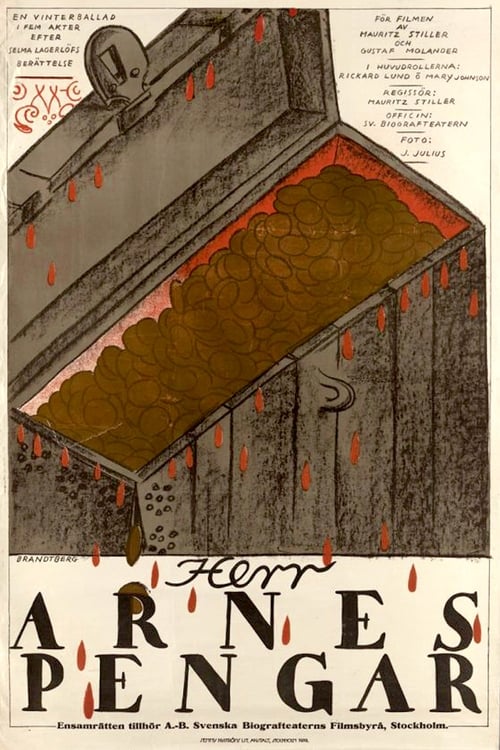
Three Scottish officers, including Sir Archi, murder Sir Arne and his household for a coffin filled with gold. The only survivor is Elsalill, who moves to relatives in Marstrand. There she meets a charming young officer- Sir Archi- and she soon understands that he was one of the murderers.
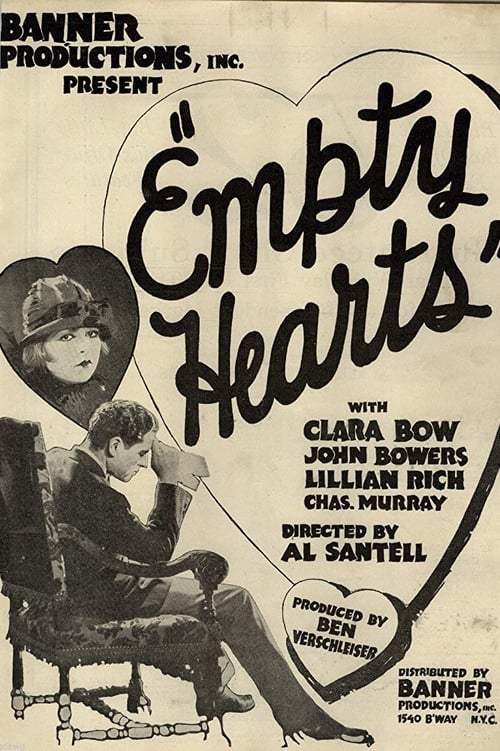
Milt Kimberlin is a down-on-his luck horse owner, but Rosalie, a cabaret performer (the lively and engaging Clara Bow), doesn't care -- she turns down the fancy jewelry offered by oily Frank Gorman for a wedding ring from Kimberlin. Even though his finances never improve, Rosalie sticks by her husband only to sicken and die in a garret. Kimberlin's luck changes almost overnight and he becomes incredibly wealthy.
A determined copy boy achieves his aspiration of becoming a journalist after unearthing the hideout of a criminal gang.