2010
Arguing that advertising not only sells things, but also ideas about the world, media scholar Sut Jhally offers a blistering analysis of commercial culture's inability to let go of reactionary gender representations. Jhally's starting point is the breakthrough work of the late sociologist Erving Goffman, whose 1959 book The Presentation of the Self in Everyday Life prefigured the growing field of performance studies. Jhally applies Goffman's analysis of the body in print advertising to hundreds of print ads today, uncovering an astonishing pattern of regressive and destructive gender codes. By looking beyond advertising as a medium that simply sells products, and beyond analyses of gender that tend to focus on either biology or objectification, The Codes of Gender offers important insights into the social construction of masculinity and femininity, the relationship between gender and power, and the everyday performance of cultural norms.
2011
Host Neil deGrasse Tyson tackles one of science's major challenges in each segment of Where Did We Come From? He will guide us as he explores dramatic discoveries and the frontiers of research that connect each central, provocative mystery. Program includes: Revealing the Origins of Life; Origins of the Solar System; Lice and Human Evolution; and Profile: Andre Fenton
2007
2014
A feature documentary about the journey of mankind to discover our true force and who we truly are. It is a quest through science and consciousness, individual and planetary, exploring our relationships with ourselves, the world around us and the universe as a whole.
2024
From the filmmakers of the critically-acclaimed blockbuster #UNFIT: THE PSYCHOLOGY OF DONALD TRUMP, which grossed over $2.5 million, has been viewed by millions, and was nominated for the IDA Documentary Awards Video Source Award Director, producer, and writer Dan Partland and producer Art Horan are back with #UNTRUTH: THE PSYCHOLOGY OF TRUMPISM examines the psychology of “Trumpism” and the authoritarian strain that it seeded in the American political landscape.
2020
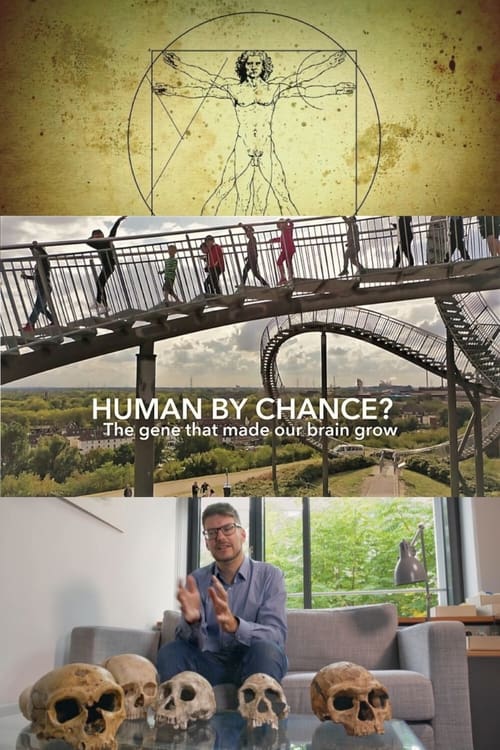
If we compare ourselves with our genetically closest living relatives, the chimpanzees, we have few physical advantages. We are far weaker, cannot move nearly as fast, and do not have the same climbing capabilities. Instead, humans excel in areas such as architecture, religion, science, language, writing, art, culture, and ideas. These achievements are due to our larger brain that contain billions of neurons. It was the rapid growth of our brain, originating about 2 million years ago, that allowed us to be the predominant species of the world. What caused this rapid growth of our cerebral cortex? Researchers worldwide have asked this question for many years, but now there finally seems to be an answer.
2022
In today's climate debate, there is only one factor that cannot be calculated in climate models - humans. How can we nevertheless understand our role in the climate system and manage the crisis? Climate change is a complex global problem. Increasingly extreme weather events, rising sea levels, and more difficult living conditions - including for us humans - are already the order of the day. Global society has never faced such a complex challenge. For young people in particular, the frightening climate scenarios will be a reality in the future. For the global south, it is already today. To overcome this crisis, different perspectives are needed. "THE UNPREDICTABLE FACTOR" goes back to the origins of the German environmental movement, accompanies today's activists in the Rhineland in their fight against the coal industry and gives a voice to scientists from climate research, ethnology and psychology.
2006
A feature length documentary which invites the viewer to rediscover an enchanted cosmos in the modern world by awakening to the divine within. The film examines the re-emergence of archaic techniques of ecstasy in the modern world by weaving a synthesis of ecological and evolutionary awareness,electronic dance culture, and the current pharmacological re-evaluation of entheogenic compounds.
2013
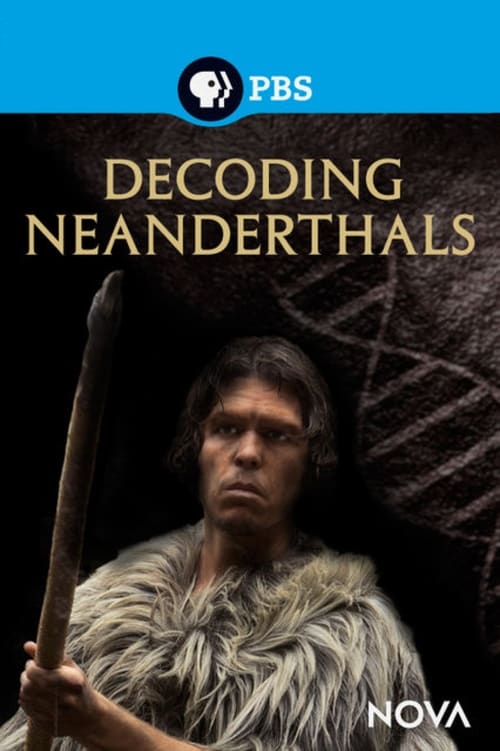
Over 60,000 years ago, the first modern humans left their African homeland and entered Europe, then a bleak and inhospitable continent in the grip of the Ice Age. But when they arrived, they were not alone: the stocky, powerfully built Neanderthals had already been living there for hundreds of thousands of years. So what happened when the first modern humans encountered the Neanderthals? Did they make love or war?
2023
Through this documentary, Emmanuelle Béart aims to uncover the truth about incest. The actress, accompanied by director Anastasia Mikova, breaks her silence and confronts her reality with that of others, shedding light on a taboo subject.
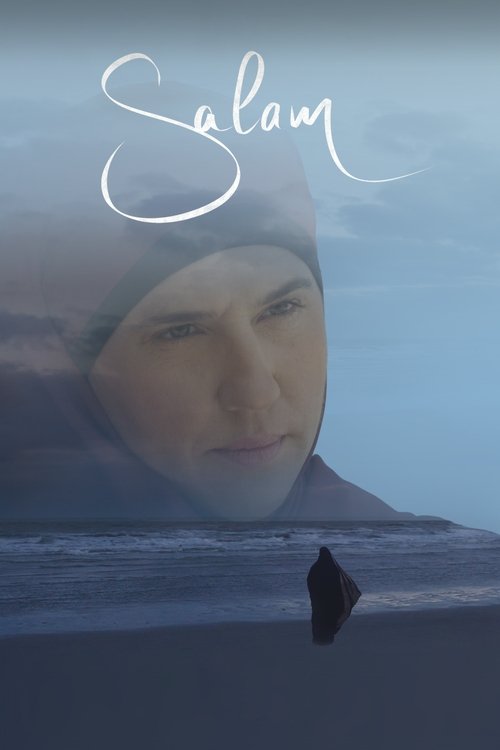
In the French music world, the beginning of the 2000s was marked by the arrival of a young rapper, Diam's. Over the course of three albums, she has become a phenomenon in France, as well as in many countries around the world. Diam's has won some of the most prestigious awards in French music, graced the covers of countless magazines, and sold millions of records. However, in 2010, at the height of her fame, Diam's made a life choice that shocked the French: she converted to Islam. How did a tortured and suicidal artist find her way to peace? For the first time Diam's, known to her family as Mélanie, tells us the real story.
2019
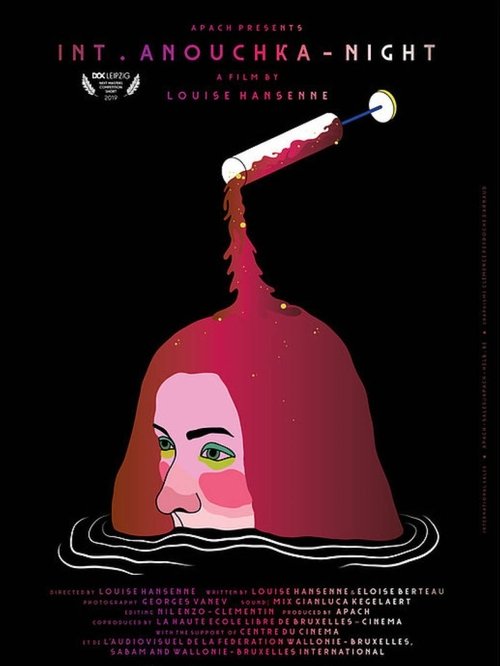
Anouchka is a 30 year old screenwriter who works in a wine bar for a living. She traces her last 15 years of alcoholism thanks to a screenplay she wrote.