2019
An account of the last two centuries of the Anthropocene, the Age of Man. How human beings have progressed so much in such a short time through war and the selfish interests of a few, belligerent politicians and captains of industry, damaging the welfare of the majority of mankind, impoverishing the weakest, greedily devouring the limited resources of the Earth.
2025
Streamed exclusively on her Instagram stories, film maker Janne Elens takes us on a short and intimate journey to her family's abandoned house to reflect on her past and communicate with her deceased grandmother's spirit.
2022
After World War II, many young French women became housewives, convinced that devoting themselves entirely to caring for their families was a noble mission and a means of personal fulfillment.
2024
How the 1948 Olympic Games came into being, as the world struggled to cope in the aftermath of the Second World War, and the Games were held for the first time in 12 years. With Britain in the midst of widespread poverty and rationing, hosting the event seemed unlikely, but existing venues were renovated despite a low budget and little time to play with, and the British people pulled together to make the Games a success.
2006
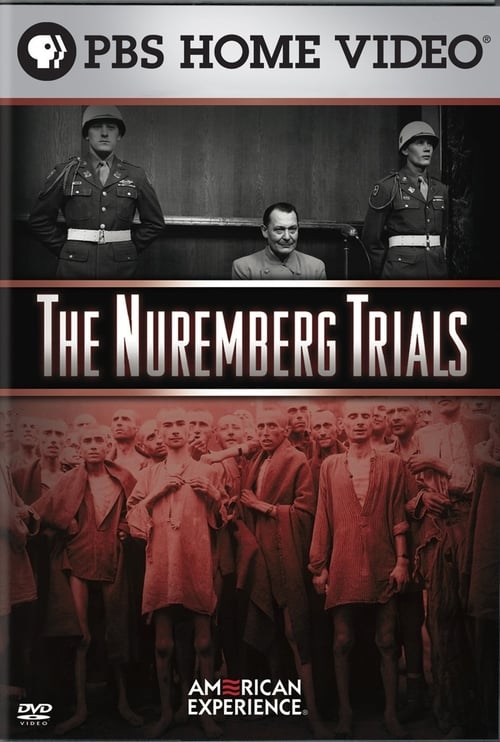
One journalist described it as a chance "to see justice catch up with evil." On November 20, 1945, the twenty-two surviving representatives of the Nazi elite stood before an international military tribunal at the Palace of Justice in Nuremberg, Germany; they were charged with the systematic murder of millions of people. The ensuing trial pitted U.S. chief prosecutor and Supreme Court judge Robert Jackson against Hermann Göring, the former head of the Nazi air force, whom Adolf Hitler had once named to be his successor. Jackson hoped that the trial would make a statement that crimes against humanity would never again go unpunished. Proving the guilt of the defendants, however, was more difficult than Jackson anticipated. This American Experience production draws upon rare archival material and eyewitness accounts to recreate the dramatic tribunal that defines trial procedure for state criminals to this day.
1946
A film about Dresden - before, during, and after the war.
2007
Reveals an alternate history of the post-war world. This is a version of history where, in contrast to what we are all told, fascist ideology prevailed. The story of Klaus Barbie, Nazi torturer, American spy, tool of repressive right-wing regimes, is symbolic of the real relationship that the "Western" governments had with fascism and makes us see the world as it is today - and the politicians that inhabit it - in a different way.
The documentary of the Nuremberg War Trials of 21 Nazi dignitaries held after World War II.
2017
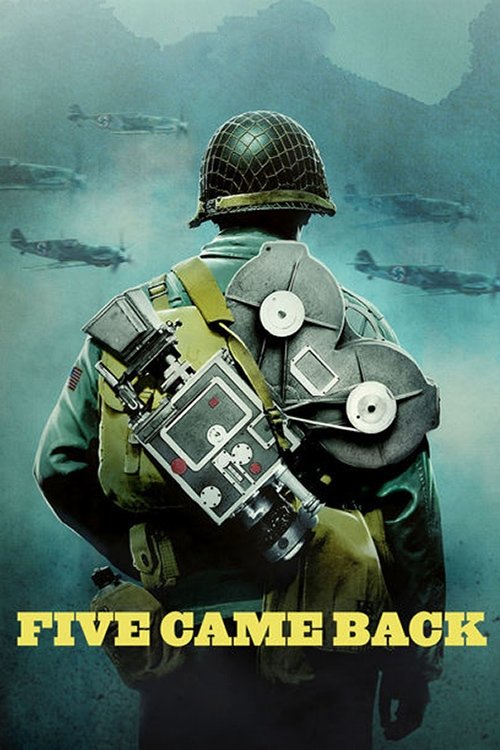
The extraordinary story of how Hollywood changed World War II – and how World War II changed Hollywood, through the interwoven experiences of five legendary filmmakers who went to war to serve their country and bring the truth to the American people: John Ford, William Wyler, John Huston, Frank Capra, and George Stevens. Based on Mark Harris’ best-selling book, “Five Came Back: A Story of Hollywood and the Second World War.”
1995
During World War II there were nearly 2,500 Allied prisoners held in Sandakan POW camp in British North Borneo. Along with the ravages of war and the struggle to survive abject conditions, only six of these POW's were found alive when the war finally ended. In the years that followed, the horror stories of human depravity and the atrocities committed by the Japanese at Sandakan POW camp would come to light, considered by many as one of the most devastating chapters of the Pacific War.
2010
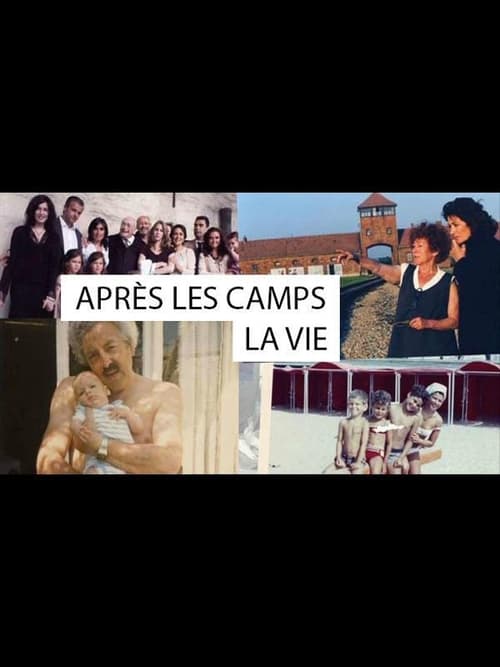
For the first time, survivors talk about life after the camps. How does one return to a life that was interrupted with such violence? How does one reconstruct oneself when all or most of one’s family were butchered? How does one resume studies and earn a living in a society that had cast you out a few years earlier?
1950
The economic and cultural improvements of the Soviet Occupied Sector are documented with scenes from the years 1945 to 1950. The film deals with the land reform, the founding of the Socialist Unity Party, the expropriation of war criminals, the founding of the GDR and the first Five Year Plan in July 1950. Special attention is dedicated to the setup of the steel industry. All this is shown in contrast to the new Federal Republic of Germany, where unemployment, slums and the West Berlin airlift prevail. The Cold War of those years is reflected in the film as well as a part of the development of post-war Germany.