2021
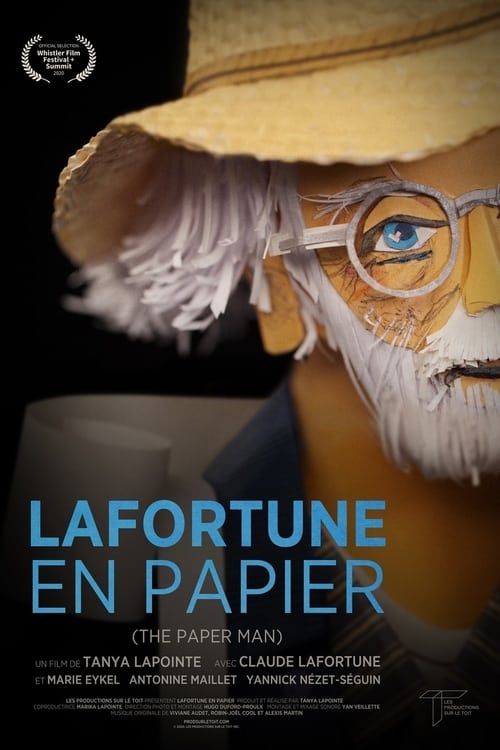
Much like Fred Rogers and Bob Ross in the United States, Claude Lafortune was a staple of French-Canadian television. The beloved children's television host inspired generations of children through his celebration of creativity, inclusivity and diversity. For over five decades, he dedicated his life to transforming mere paper into whimsical sculptures, creatures and film sets. "The Paper Man" reveals the depths of Claude Lafortune's work, as well as his continuing legacy.
2011
An inspiring 75min DIY documentary film on new art and the young artists behind it. It was all filmed on the heat of live action of the first NOVA Contemporary Culture Festival, July and August 2010 in São Paulo, Brazil.
1972
Art in glorious motion. Bright, colourful and often intensely dynamic, the 1970 'Kinetics' show at London's Hayward Gallery was a major international showcase of the new active sculptural art. Works by Jean Tinguely, Nam June Paik, Peter Logan, Takis, Jesus Raphael Soto and many others dazzled a wide-eyed public. This priceless film record of the show captures a kaleidoscope of neon lights, rotating metal, squirting water and stroboscopic projections. Director Lutz Becker, of the Slade School of Art Film Unit - who would go on to direct Double-Headed Eagle (1973), a documentary account of Hitler's rise to power - uses a variety of textural, electronic sounds (courtesy of Peter Sahla) to evoke the unusual experience. The show was enormously popular, with visitors filling out the gallery day after day.
1989
In the same vein as Meri's other documentations, this one takes advantage of the glasnost policy to discuss the social and ecologic impact of the Russian oil industry on the natives and the lands they inhabit.
2013
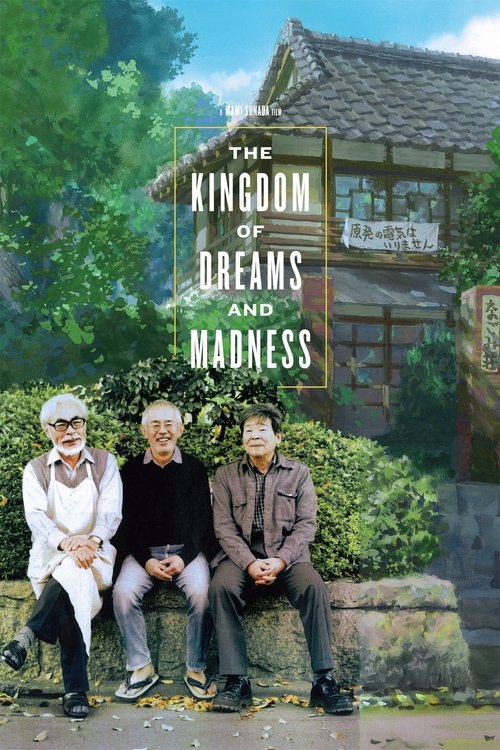
Follows the behind-the-scenes work of Studio Ghibli, focusing on the notable figures Hayao Miyazaki, Isao Takahata, and Toshio Suzuki.
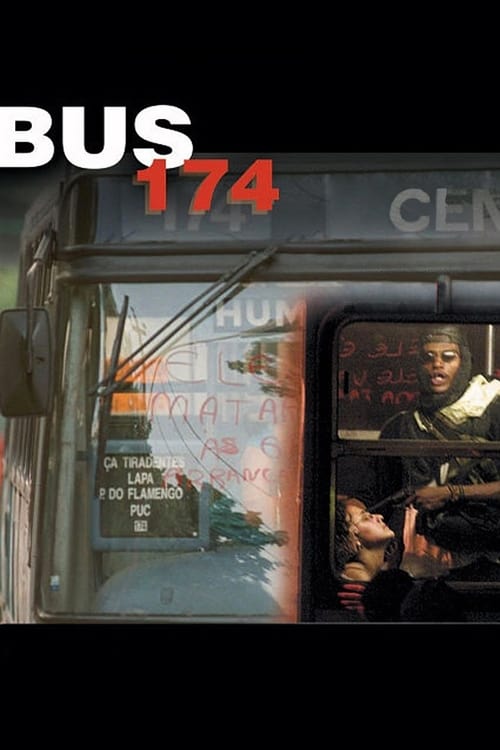
2002
Documentary depicts what happened in Rio de Janeiro on June 12th 2000, when bus 174 was taken by an armed young man, threatening to shoot all the passengers. Transmitted live on all Brazilian TV networks, this shocking and tragic-ending event became one of violence's most shocking portraits, and one of the scariest examples of police incompetence and abuse in recent years.
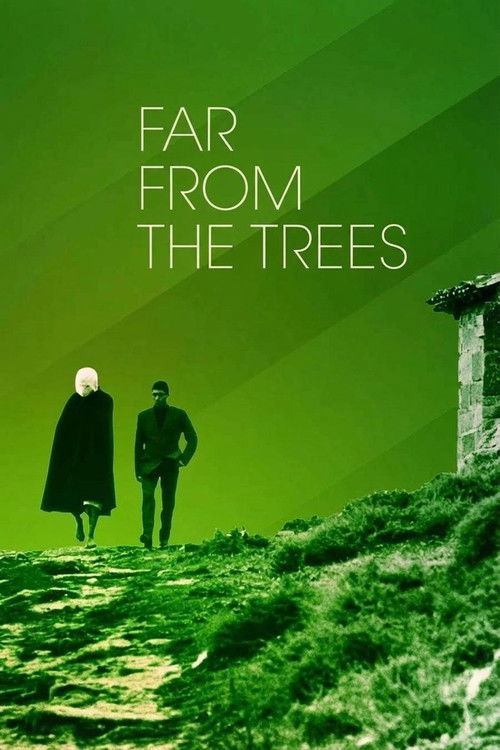
An unprejudiced portrait of Spanish folklore and a crude analysis in black and white of its intimate relationship with atavism and superstition, with violence and pain, with blood and death; a story of terror, a journey to the most sinister and ancestral Spain; the one that lived far from the most visited tourist destinations, from the economic miracle and unstoppable progress, relentlessly promoted by the Franco regime during the sixties.
2009
1958
Poème Électronique is an 8-minute piece of electronic music by composer Edgard Varèse, written for the Philips Pavilion at the 1958 Brussels World’s Fair. The Philips corporation commissioned Le Corbusier to design the pavilion, which was intended as a showcase of their engineering progress. The pavilion was shaped like a stomach, with a narrow entrance and exit on either side of a large central space. As the audience entered and exited the pavilion, the electronic composition Concret PH by Iannis Xenakis (who also acted as Le Corbusier's architectural assistant for the pavilion's design) was heard. Poème électronique was synchronized to a film of black and white photographs selected by Le Corbusier which touched on vague themes of human existence.
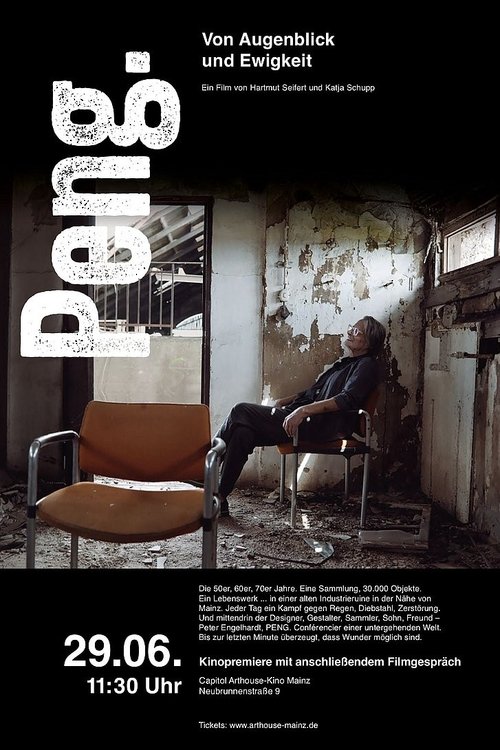
2025
Peter Engelhardt - aptly named “PENG” - has dedicated his entire life to good design: as a renowned designer as well as a collector of everything that makes up everyday life in the 50s, 60s and 70s ... The well-known and the nameless, the precious and the superfluous, the special and the everyday. The Engelhardt collection once comprised over 30,000 objects. But the more Peter collected, the more space he needed - and the less money he had. The last stop for the time being: a dilapidated industrial wasteland near Bingen, rainwater and theft the biggest enemies. The preservation of the collection - or rather the fight against its destruction - in the old mine in Waldalgesheim became the 78-year-old's life's work.
2016
2008
400 years ago, in Japan, a revolutionary art was born and would influence the greatest Western artists of the late nineteenth century, the Ukiyo-E "floating images of the world." A wonderful trip in a world of beauty and discovery. The concept and objectives of this documentary are, on the one hand, to show, teach and discover Japanese art (Japanese stamps and prints) and, on the other hand, to demonstrate the influence of Japanese stamps on Western modern art, showing in comparison some of the Most famous paintings (impressionism or paintings by Van Gogh).