2020
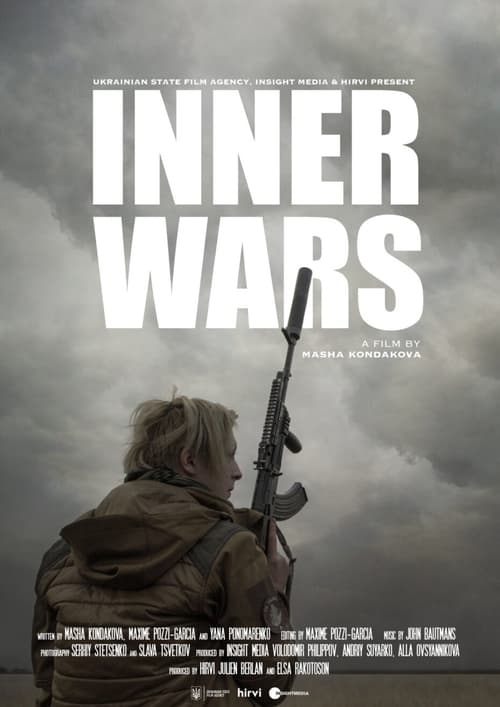
Since the uprising of a pro Russian insurgency in eastern Ukraine in 2014, hundreds of women joined the army. Only a few made it to the front line. Filmmaker Masha embeds herself in the war zone to follow the daily life of three of them. By sharing the intimacy of these fighters, Masha soon becomes a victim of this brotherhood conflict jeopardizing this film and her life.
1996
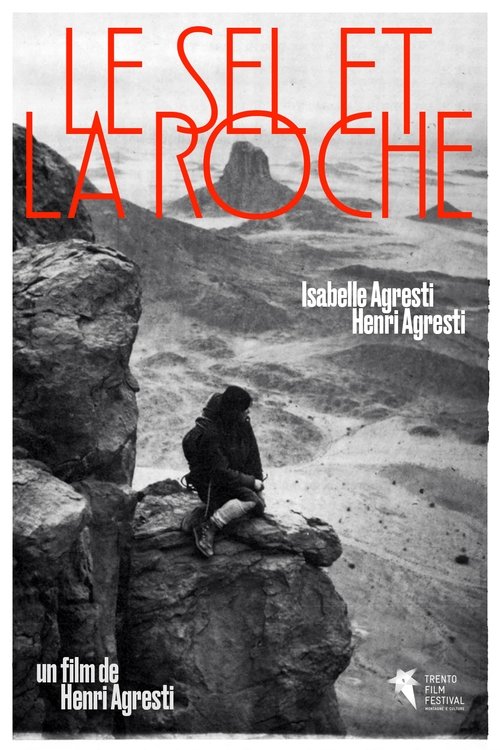
After reading the book "Guide to Hoggar Climbing," guide Pierre Agresti and his wife Isabelle Agresti set off into the Hoggar massif in the Algerian Sahara and tackled the west face of Garet El Djenoun. After a first attempt in 1967, they successfully reached the summit in 1970 and, with an old camera, made a film that remained unused for 25 years. In 1996, they decided to bring the past back to life through the ascent and encounters with the Tuaregs in the rock salt mines of Amadror. The film was shown in competition at the Trento Film Festival in 1997.
2006
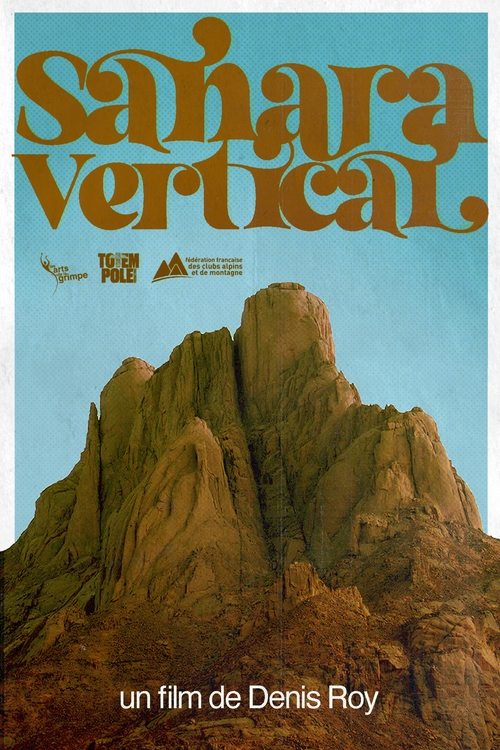
Following in the footsteps of Frison Roche, 7 climbers explore the main Hoggar massifs in Algeria. Their main objective is the ascent of the Garet El Djenoun summit via the north ridge, a long climb symbolic of a certain difficulty and a significant commitment, due to its location in the desert. They also attempt the Diedre Agresti, a daring route from the 70s, opened in around ten days on artificial, and unequipped; it is a path that has never been repeated; the objective is to do it free and almost only on wedges, with difficulties up to 7b/c in a sometimes very delicate rock... Excerpts from the film shot in 1970 by Henri Agresti on this same route, allow us to compare the technical and material means of the time to those of today. They also discover the beauty of the Algerian desert, its silence, its rock paintings, the customs of the Tuaregs, etc... a fascinating journey.
1965
Filmed chronicle by mountain filmmaker Mario Fantin, of the 1964-1965 expedition of the Italian mountaineer Guido Monzino to the summits of Hoggar in the Algerian Sahara with the ascents of Garet el Djenoun, Tizouyag Nord, Saouinan and Iharen. The mountain ranges of the Hoggar desert turn out to be more complex and interesting than most mountaineers suspected at the time.
2025
For decades, the countries of the African Sahel region have been targets of colonialism and exploitation by France and other Western powers. This documentary addresses the popular resistance and new paths of development forged by Burkina Faso, Niger, and Mali after experiencing civil and military uprisings in recent years. The film explores the popular resistance that sustains the revolution in the three Sahel countries and was made after extensive coverage of the ongoing social dynamics and geopolitical disputes.
1986
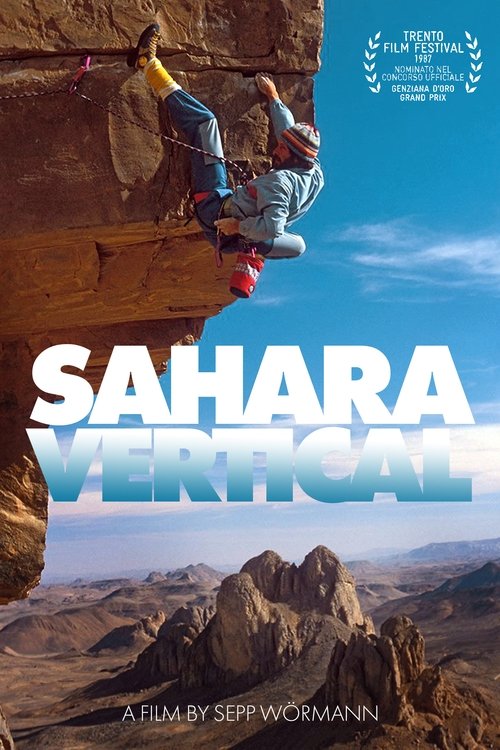
The climbing couple Heinz Mariacher and Luisa Iovane abandon their usual winter training spot to go in search of places more conducive to free climbing in Algeria in the Sahara desert, more precisely in the Hoggar massif, which saw pass the cream of world climbing Lionel Terray, Roger Frison-Roche, Lucien Bérardini, Michel Vaucher, Pierre Mazeaud, Guido Monzino, Patrick Edlinger, Patrick Berhault and many others. Their objective, to climb the east face of Garet El Djenoun, 500 m high, failed because the wall was too smooth and the cracks unstable. The journey continues in the Hoggar massif towards other peaks, where they find the climbing conditions they were hoping for. An overhang in the face of Tizouyag Nord will prove to be a major challenge for Heinz Mariacher.
2024
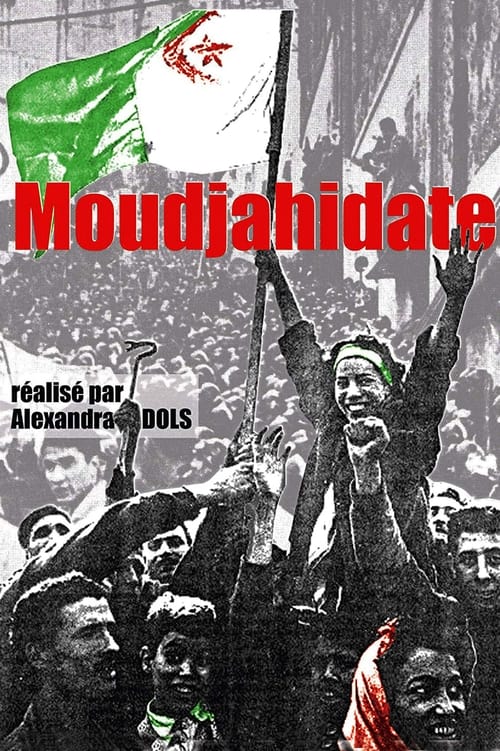
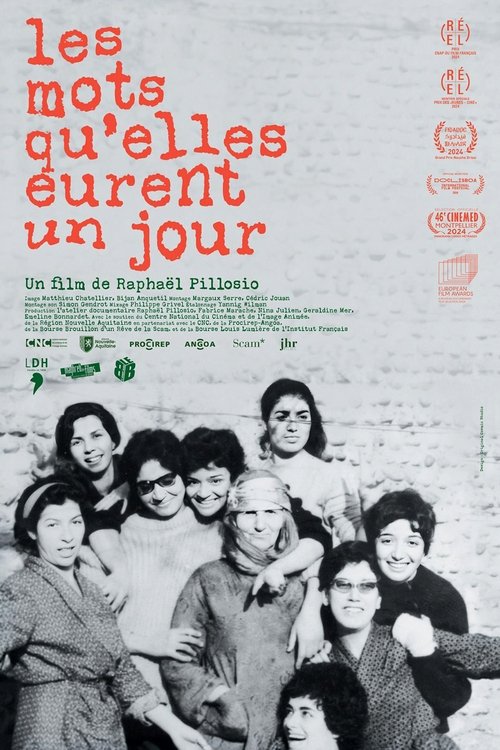
1962, at the end of the Algerian War, Algerian independence activists are released from Rennes prison. For one night, filmmaker Yann Le Masson films them. They tell him their vision for the future of Algeria and the place women must occupy in the new society to be built. Fifty years later, with the soundtrack missing, Raphaël Pillosio sets out to find these women. Two deaf people set about lip-reading the women filmed by Yann Le Masson, revealing snatches of sentences, words cut short by the camera's shifts. An investigative film in which the few activists still alive discover their old testimonies and tell us their silent story. The reconstruction of the lost soundtrack will remain in suspense; no happy ending will come to absorb the absence, to cancel the ferocious operation of time. An essay film about cinema that depicts their disappearance, and forever keeps them alive.
2019
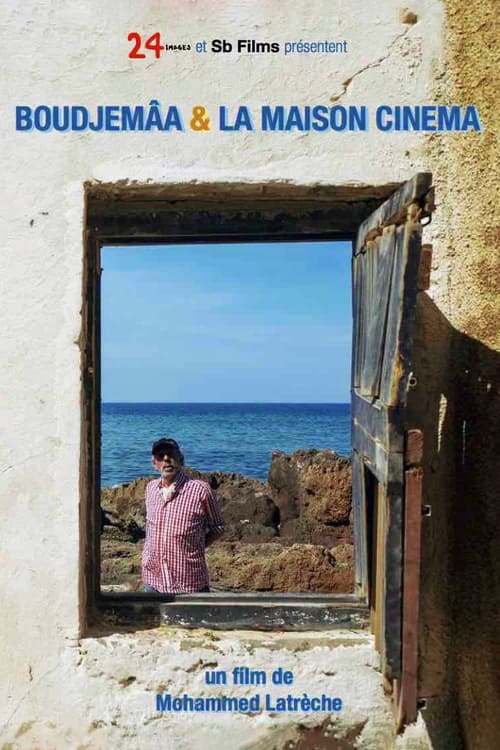
He is a 75-year-old half-blind man. He takes 3000 steps every day. Since 2004 he has made a decision: he will no longer talk about cinema. Boudjemâa, our living memory. That of Algerian cinema, African cinema, Arab cinema, cinema in short. The Algiers Cinematheque. The “masterpiece of Algerian cinema”. Boudjemâa Karèche directed it for 34 years. So why does Boudjemâa no longer talk about cinema? The answer lies next to the circumstances which caused his ouster from the Cinémathèque. Boudjemâa was silent. The time has come for him to let the word think for itself.
2023
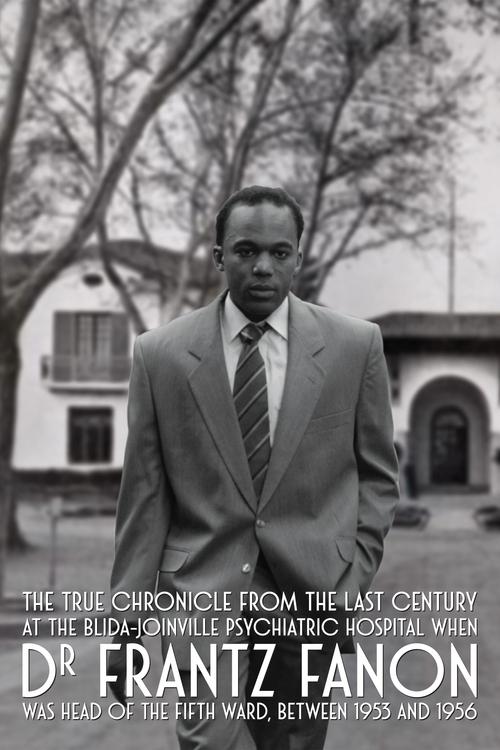
1953, colonized Algeria. Fanon, a young black psychiatrist is appointed head doctor at the Blida-Joinville Hospital. He was putting his theories of ‘Institutional Psychotherapy’ into practice in opposition to the racist theories of the Algies School of Psychiatry, while a war broke out in his own wards.
Since August 2024, in Martinique, a popular protest movement against the high cost of living has been reemerging under the leadership of the RPPRAC (Rassemblement Pour La Protection Des Peuples Et Des Ressources Afro-Caribéens – Gathering for the Protection of Afro-Caribbean Peoples and Resources). On the island, food prices are on average 54% higher than in mainland France.* Through various cultural figures, the people of Martinique are expressing their anger and seeking concrete solutions. *Source: Kiprix, Price comparison between supermarkets in the French overseas territories and mainland France.