2014
Peyangki is a dreamy and solitary eight-year-old monk living in Laya, a Bhutanese village perched high in the Himalayas. Soon the world will come to him: the village is about to be connected to electricity, and the first television will flicker on before Peyangki's eyes.
2016
Four monks, a royal scholar, and their American guru are fighting to save Bhutan's sacred arts while learning the art of letting go.
2021
Rinzin Jurmey chose to join a monastery and dedicate his life to Buddhism at the age of 11, loving its rituals and traditions. Now 18, he moves harmoniously between mountain village and city, embracing tradition and pop culture, religion and hip-hop, prayer and video games. With guidance from cinematographer Cat Papadimitriou, Jurmey documents the ways in which he – and his country – are striving to preserve ancient practices while embracing modernity.
2005
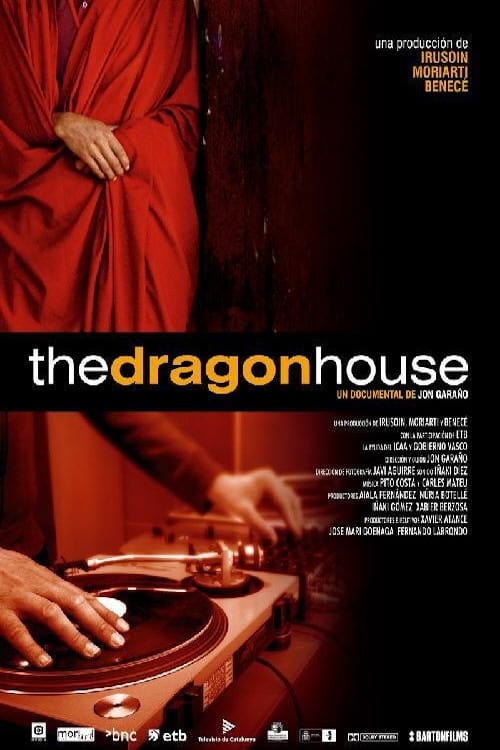
The Dragon House portrays the confrontation between tradition and modernity which the Kingdom of Bhutan is currently experiencing. This is done by means of two Bhutanese characters: a young Buddhist monk, heir to the local tradition, and the first disc jockey to dare to play House and Techno music in the small Himalayan kingdom.
2018
From the Bhutanese wilderness, scientist and yeti-hunter Mark Evans hears fresh reports of new sightings; Mark mounts a considerable expedition into the Himalayas and takes his search for the yeti further than ever before.
2024
The documentary team follows two happiness agents in their forties who spend a month and a half on the road twice a year, going door-to-door with their questionnaires in isolated villages in the Himalayas. The filmmakers undertake to provide an intimate insight into the daily lives and desires of Bhutanese people, and also seek the answer to the universal question of whether happiness can really be measured. Gross National Happiness promises a heart-warming journey into a mysterious, fairytale-like world, which is the exact opposite of the social order dominated by consumption and desires.
2007
Imagine a country where happiness is the guiding principle of government. Imagine a people who see all life as sacred and the source of their happiness, a place with an abundance of clean and renewable energy, a nation committed to preserving its culture and whose progress is measured by obtaining Gross National Happiness for its people. Where is this Shangri-La? Bhutan. But can a place like Bhutan really exist? Can such ideals be realized? Can this small, geographically isolated country tucked away in the Himalayans truly protect its environment and culture as they open their doors to the West? The answer is rooted in the Bhutanese view of the world, anchored in Buddhism, with the simple message that happiness can only be found by taking the middle path the path that balances the needs of man with the powerful spirits of nature.
2011
The Frisian singer Linde Nijland was always fond of the combination of traveling and singing. An invitation to listen to a concert in honor of the coronation of the fifth king of Bhutan was the ideal occasion in 2008 to make a months-long journey through South East together with multi-instrumentalist Bert Ridderbos.