2011
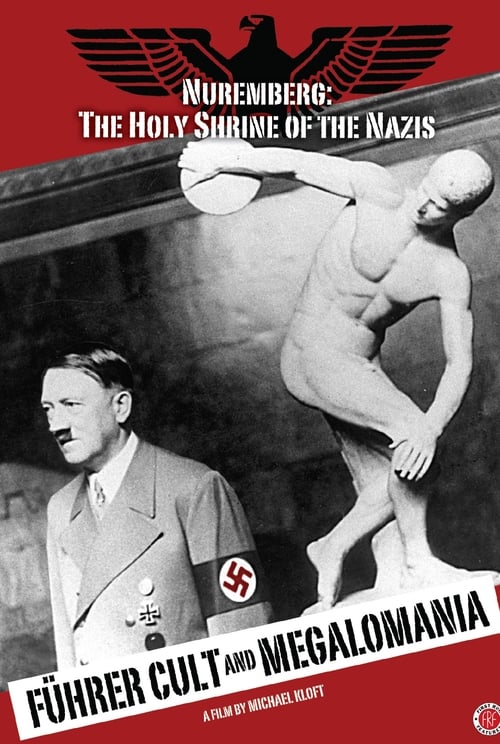
By early in the twentieth century, Nuremberg was regarded as the most anti-Semitic city in Europe. By 1929, Hitler had decided to make Nuremberg the "City of the Party Rallies" and a symbol representing the greatness of the German Empire. Even today, it is possible to see signs in Nuremberg of the megalomaniac proportions that the system was to assume.
1979
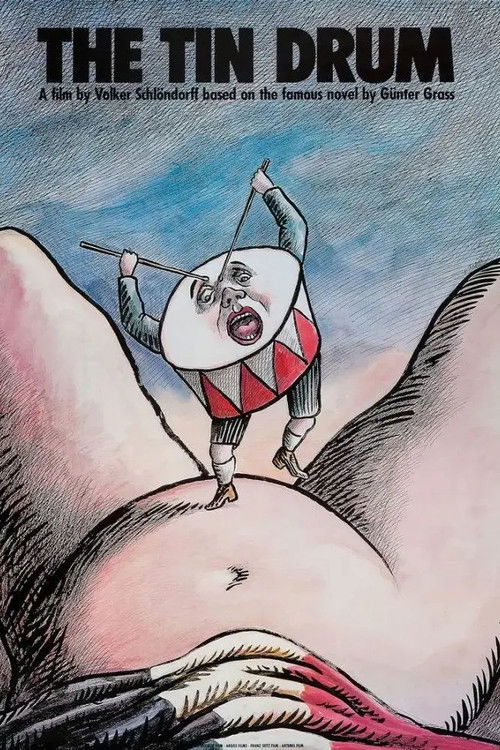
In 1924, Oskar Matzerath is born in the Free City of Danzig. At age three, he falls down a flight of stairs and stops growing. In 1939, World War II breaks out.
2001
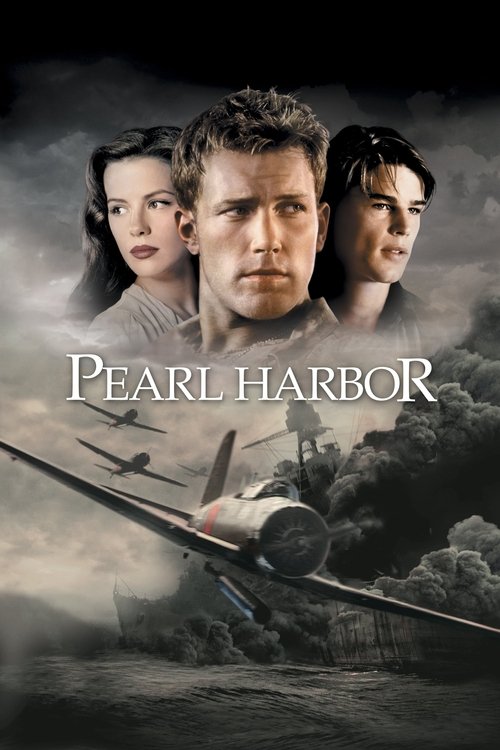
The lifelong friendship between Rafe McCawley and Danny Walker is put to the ultimate test when the two ace fighter pilots become entangled in a love triangle with beautiful Naval nurse Evelyn Johnson. But the rivalry between the friends-turned-foes is immediately put on hold when they find themselves at the center of Japan's devastating attack on Pearl Harbor on Dec. 7, 1941.
1938
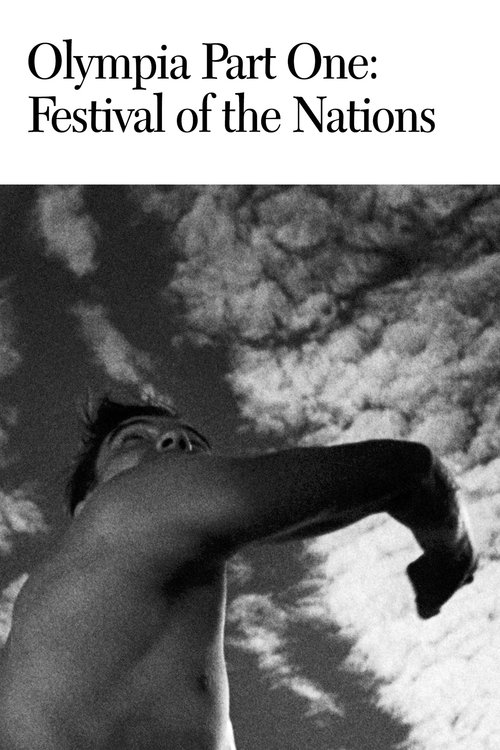
Starting with a long and lyrical overture, evoking the origins of the Olympic Games in ancient Greece, Riefenstahl covers twenty-one athletic events in the first half of this two-part love letter to the human body and spirit, culminating with the marathon, where Jesse Owens became the first track and field athlete to win four gold medals in a single Olympics.
1992
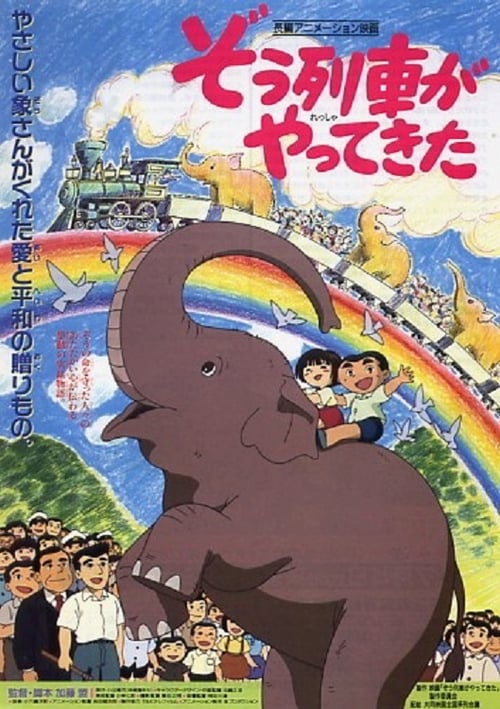
During WWII most zoo animals that could pose a danger to the public were slaughtered. Only two elephants survived the war, and trains were arranged to bring children from all over the country to see them.
2021
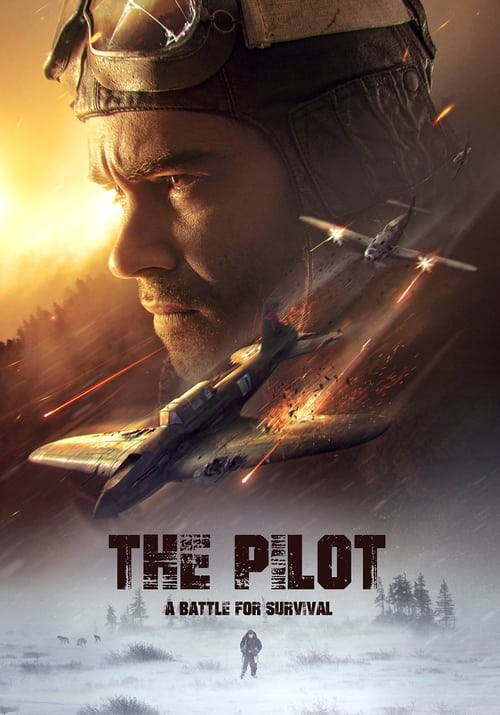
December of 1941, Northwestern Front. A German tank column is moving towards Moscow. During a mission to stop the enemy advance, Nikolai Komlev's IL-2 is shot down. Komlev manages to crash-land his plane in a remote forest clearing. He's alive, but far from friendly territory. Ahead of him is a relentless trial of severe physical and mental endurance. After battling hunger and extreme cold, evading packs of wolves and detachments of Nazi soldiers, the wounded Komlev finally makes it back to safety. But there he faces another challenge, the most life-changing of them all.
2005
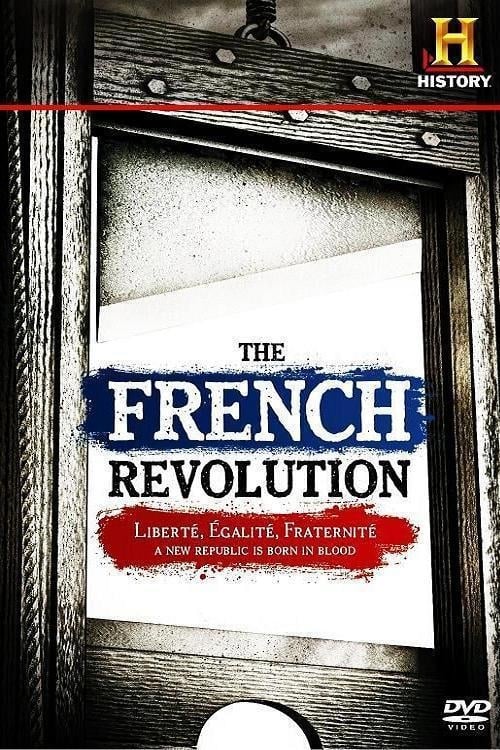
On July 14, 1789, a mob of angry Parisians stormed the Bastille and seized the King's military stores. A decade of idealism, war, murder, and carnage followed, bringing about the end of feudalism and the rise of equality and a new world order. The French Revolution is a definitive feature-length documentary that encapsulates this heady (and often headless) period in Western civilization. With dramatic reenactments, illustrations, and paintings from the era, plus revealing accounts from journals and expert commentary from historians, The French Revolution vividly unfurls in a maelstrom of violence, discontent, and fundamental change. King Louis XVI, Marie Antoinette, Maximilien Robespierre, and Napoleon Bonaparte lead a cast of thousands in this essential program from THE HISTORY CHANNEL®. Narrated by Edward Herrmann (The Aviator, Gilmore Girls), The French Revolution explores the legacy that--now more than ever--stands as both a warning and a guidepost to a new millennium
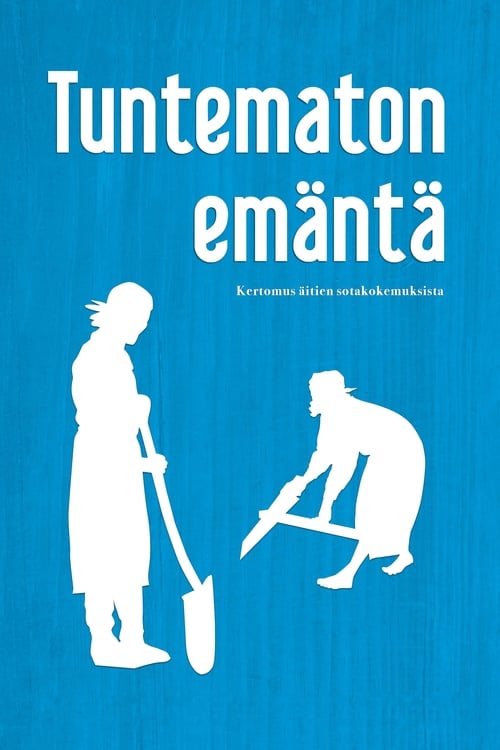
The Unknown Woman is a documentary film scripted and directed by Elina Kivihalme. It depicts the reality of Finnish agriculture and forestry during the war years, when the home front relied entirely upon the work and endurance of the women. All farm work, caring for the children, woodcutting and other forestry operations were undertaken by the civilians, as the men in their prime were on the front.