2023
In 1982, Wim Wenders asked 16 of his fellow directors to speak on the future of cinema, resulting in the film Room 666. Now, 40 years later, in Cannes, director Lubna Playoust asks Wim Wenders himself and a new generation of filmmakers (James Gray, Rebecca Zlotowski, Claire Denis, Olivier Assayas, Nadav Lapid, Asghar Farhadi, Alice Rohrwacher and more) the same question: “is cinema a language about to get lost, an art about to die?”
2022
How could the Cannes Film Festival become the biggest cinema event in the world? For 75 years, Cannes has succeeded in this prodigy of placing cinema, its sometimes paltry splendors but also its requirements of great modern art, at the center of everything, as if, for ten days in May, nothing was more important than it. This film tells how Cannes has become the largest film festival in the world by opening up to cinematic modernity while never forgetting that cinema remains a performing art, a popular art.
1990
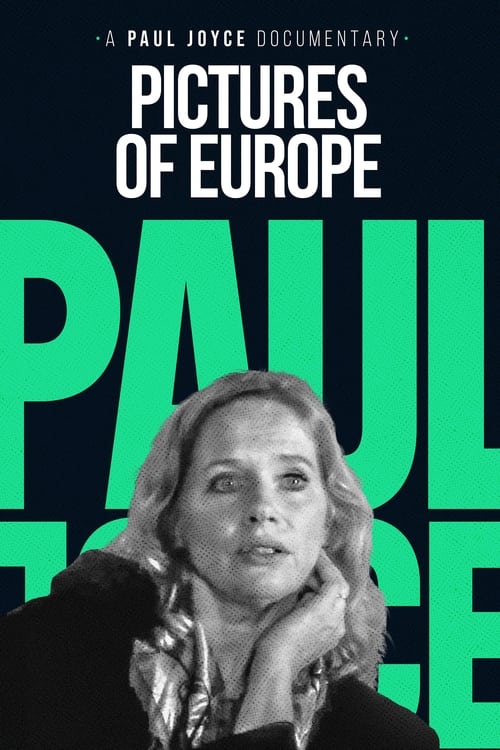
What makes European cinema so special? Find out in Paul Joyce’s feature-length documentary, Pictures of Europe, which examines the differences between American independent and Hollywood movies and films from European directors. Featuring luminary iconoclasts from European cinema such as Agnes Varda, Bernardo Bertolucci and Pedro Almodovar, as well as American counterpoints from Paul Schrader, and those who have crossed back and forth, such as Paul Verhoeven
2019
Jean-Claude van Damme, Sheldon Lettich and more discuss the 1991 film "Double Impact" from inception to reception.
2021
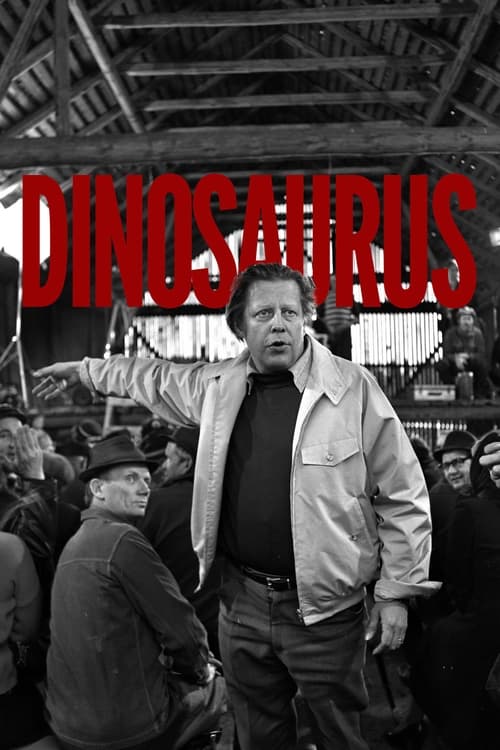
Acclaimed Finnish director Rauni Mollberg made several scandalous yet widely appreciated films. Former co-worker Veikko Aaltonen’s eye-opening documentary The Dinosaur looks at the relentless, often disturbing directing techniques behind Mollberg’s art and success.
Eccentric, outspoken, and unfiltered TV and low budget film director Josh Becker struggles to emerge from the shadow of his work on "The Evil Dead", "Xena", the careers of his more successful colleagues, depression and alcoholism to fulfill his lifelong ambition of creating high quality, successful films.
2006
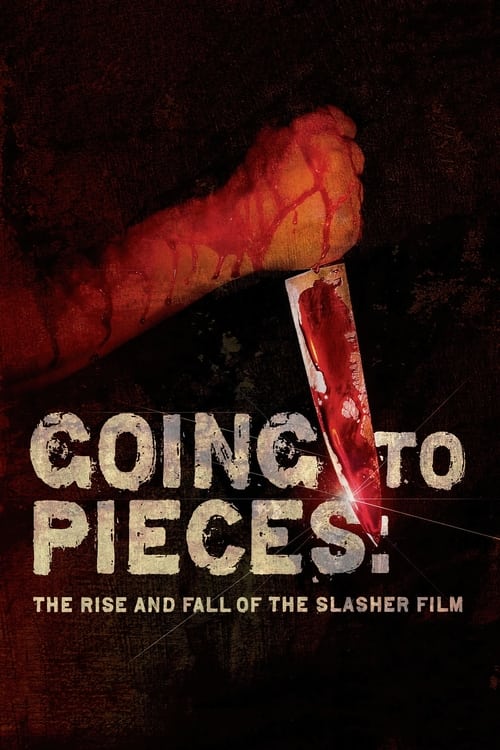
This historical and critical look at slasher films, which includes dozens of clips, begins with Halloween, Friday the 13th, and Prom Night. The films' directors, writers, producers, and special effects creators comment on the films' making and success. During the Reagan years, the films get gorier, budgets get smaller, and their appeal wanes. Then, Nightmare on Elm Street revives the genre. Jump to the late 90s, when Scream brings humor and TV stars into the mix.
1998
A brief look at the history of "Homicide: Life on the Street", one of the best shows on television and its ratings history as well as some of the people on the show, as well as behind the camera. The primary focus of this PBS documentary is the "Subway" episode which aired on December 5, 1997 on NBC. This two-hour documentary follows the "Subway" episode from conception to award nominations.